
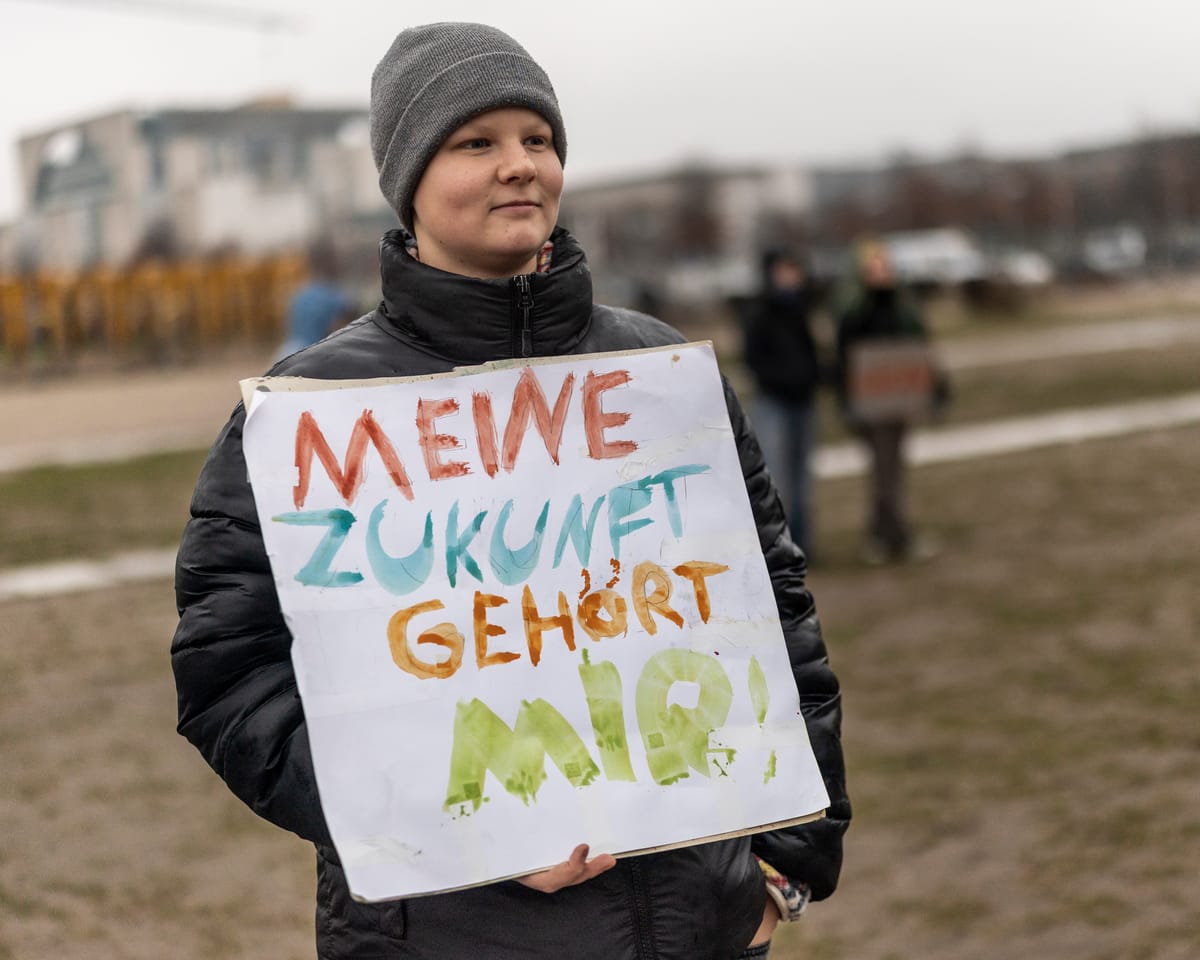
Germany's legislature has approved a revised military service framework intended to strengthen troop numbers, while numerous students protested nationwide opposing the measures.
The legislation will introduce compulsory assessment for all 18-year-old men from January 1 to determine eligibility for service but stops short of reinstating mandatory enlistment, a proposal supported by some conservative lawmakers.
Defense Minister Boris Pistorius informed parliament that if the framework fails to attract sufficient personnel, discussions on reinstating conscription will be unavoidable.
Students skipped school to join demonstrations against the law in 90 cities, despite educational authorities cautioning that participation might impact academic evaluations.
"I’m protesting against compulsory service and increased militarization, especially since the government isn’t prioritizing peace through diplomatic approaches," stated 17-year-old Alicia during a rally in Berlin’s Kreuzberg district.
Lawmakers responded to concerns that young people’s futures could be jeopardized by potential pressures on those born after 2008 to enlist.
Siemtje Möller of the ruling coalition dismissed protest narratives as "mere populism." "No decision obligating service or randomly deploying youths to conflict zones has been made," she asserted. "Such claims are speculation."
Möller echoed recent confidence that rising interest in the military will help expand personnel to 460,000, including 260,000 active members and 200,000 reservists. Current figures stand at 182,000 active personnel and approximately 50,000 reservists.
Germany discontinued conscription in 2011 under Angela Merkel’s administration, ending a system active since 1956, to adapt to post-Cold War needs favoring specialized professionals over drafted combat troops.
Pistorius described the law as "a vital move for national defense," noting allies’ expectations.
The measure passed 323-272, with one abstention, opposed by the far-right AfD and far-left Die Linke.
Die Linke’s Desiree Backer urged youth resistance, calling the framework "far from optional" due to mandatory questionnaires. She cited ministers’ noncommittal responses when asked if their own children would serve.
"Young people have aspirations beyond risking their lives for powerful interests."
Read next
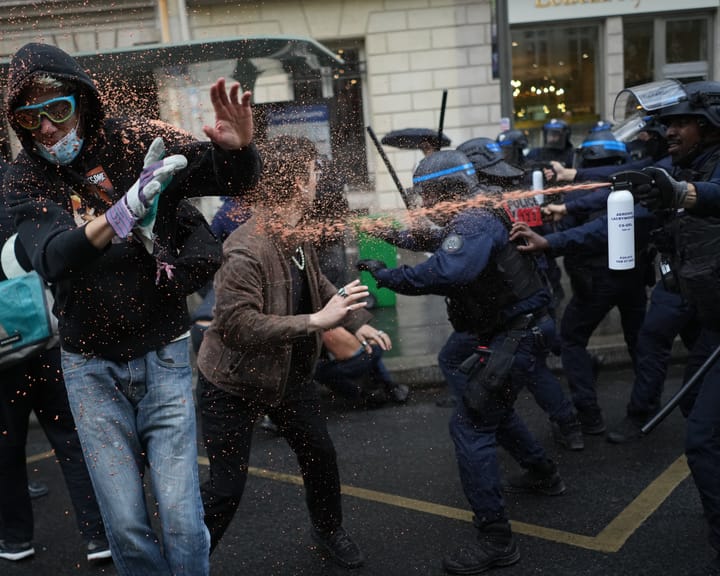
French Minister Refutes Police Brutality Claims Amid Ongoing Student Protests Across France – Europe Live
In recent developments, French Interior Minister Laurent Nuñez has refuted claims of excessive police force during the ongoing student protests in France. He emphasized that police action is only taken in response to violence or property damage. Addressing lawmakers, Nuñez described the protests as "unprecedented" due to the
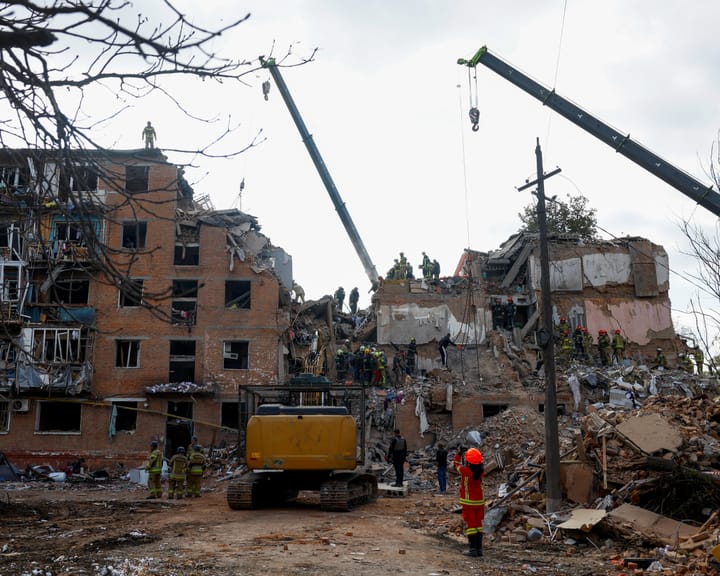
Ukraine Reports Russia Bombed Apartment Building Coinciding with Putin's Birthday
Volodymyr Zelenskyy has accused Russia's military of deliberately targeting civilians and bombing residential buildings as a grim gift for Vladimir Putin, who celebrates his 74th birthday on Wednesday.
Ukraine’s president described Russia’s overnight drone and missile strikes, which killed at least 24 people, as “despicable.” “The
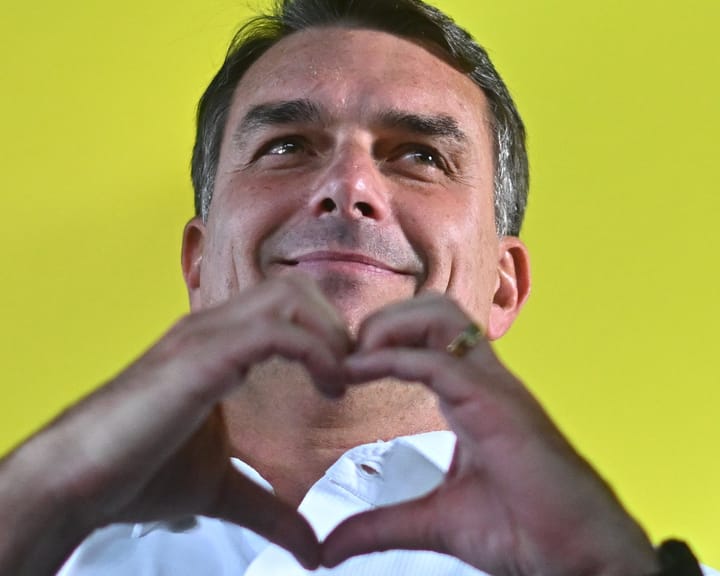
Fears of 'another coup d'état' grow as Flávio Bolsonaro vows to 're-democratise' Brazil
Flávio Bolsonaro, the leading candidate for Brazil's presidency, has promised to "re-democratise" the nation, raising concerns about potential authoritarian governance should he win. Brazil transitioned to democracy in the 1980s after a harsh 21-year dictatorship, a period lauded by Flávio's father, former