
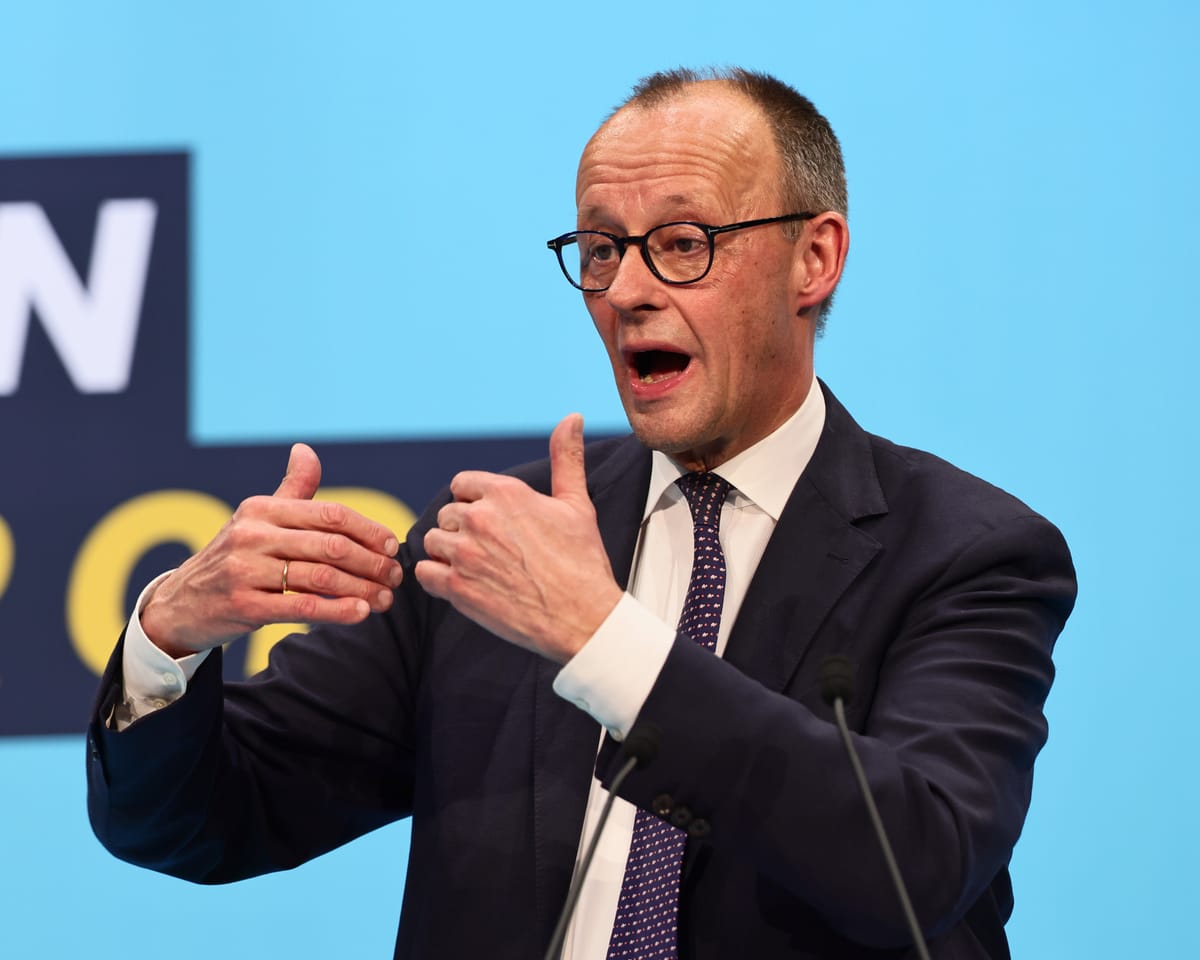
Friedrich Merz’s centre‑right CDU approaches a regional ballot on Sunday, the first of several contests this year in which it seeks to curb the advance of the far‑right Alternative für Deutschland (AfD).
Electors will cast their votes in Baden‑Württemberg, a wealthy centre of Germany’s automobile industry with about 11.2 million inhabitants. A year after securing national power, the CDU aims to wrest the top spot in the south‑western state from the Greens, who have held it for the past two elections.
Until recently, Merz’s party enjoyed sizable leads in state polls, but those margins have narrowed in recent weeks. The newest poll shows the CDU and the Greens tied at 28 percent each.
At the helm of the CDU’s campaign is Manuel Hagel, 37, a former bank branch manager whose run hit a snag after remarks he made about female pupils during a 2018 school visit were deemed sexist and inappropriate. He has since issued an apology.
The Greens’ principal candidate is Cem Özdemir, 60, who would become Germany’s first state premier of Turkish descent if elected.
The AfD is polling around 18 percent, a record level for the anti‑immigration party in Baden‑Württemberg, though still below its national rating of roughly 25 percent, comparable to the CDU’s share.
On Friday, Merz took part in the CDU’s final rally and warned that observers abroad would be asking, “Can the CDU still win elections while governing in such turbulent times?”
A weak result in a state that has long been a CDU bastion would mark an ominous beginning for the party in a year of regional contests where it hopes a stricter migration stance will recapture AfD voters.
On 22 March it will try to outpace the centre‑left Social Democrats (SPD) in the western state of Rhineland‑Palatinate. Further regional votes are slated for September in the former East German states, where the AfD is expected to perform strongly.
Baden‑Württemberg hosts several of the biggest names in Germany’s struggling car sector, such as Porsche and Mercedes‑Benz. Like other German industries, the automotive field is grappling with high energy costs and mounting competition from China.
Brian Fuerderer, 34, head of a local firm producing surgical equipment, told reporters he found the campaign “feeble”. He argued the parties were “sidestepping the core issue … the economy” and the nation’s reliance on foreign energy, a problem highlighted by the war in the Middle East.
Merz says revitalising Germany’s sluggish economy is his chief aim and has urged the EU to relax its ban on new combustion‑engine cars after 2035. Even the Greens’ Özdemir has called for greater flexibility in the shift toward electric vehicles.
Özdemir enjoys a national profile in Germany. He entered the Bundestag in 1994 as one of the first MPs of Turkish origin and later served as agriculture minister under former SPD chancellor Olaf Scholz.
Read next
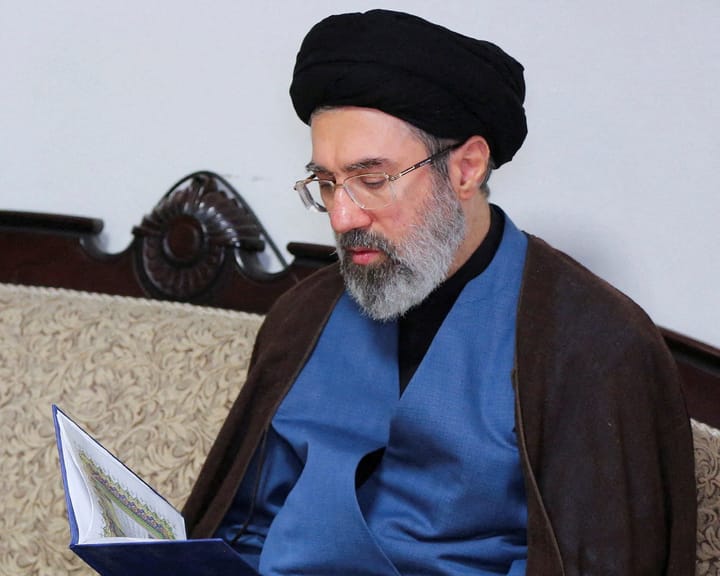
Live Middle East crisis: Mojtaba Khamenei appointed Iran’s new supreme leader; oil prices surge past $100 a barrel
Trump says decision on ending war will be ‘mutual’ with Netanyahu
Donald Trump told the Times of Israel that the timing of a cease‑fire with Iran will be decided jointly with Israeli Prime Minister Benjamin Netanyahu.
In a brief phone interview on Sunday, Trump added that Iran would have
Japan's partially deserted island at the center of tensions with China
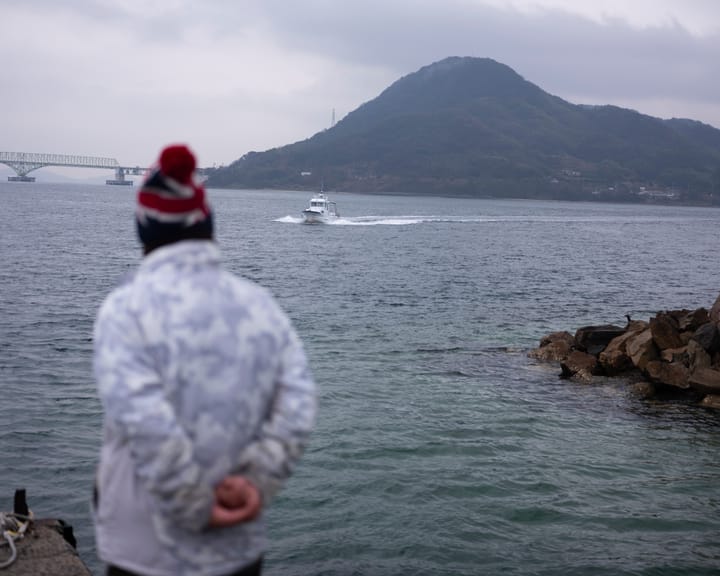
His island residence is cloaked in mist, yet his Union‑Jack knit cap makes Hideya Yagi easy to spot as he welcomes the incoming boat. The 80‑year‑old former construction‑company president is glad to see the handful of passengers step ashore, largely because he is one of only
White House concerned as gas prices rise amid US‑Israel conflict with Iran
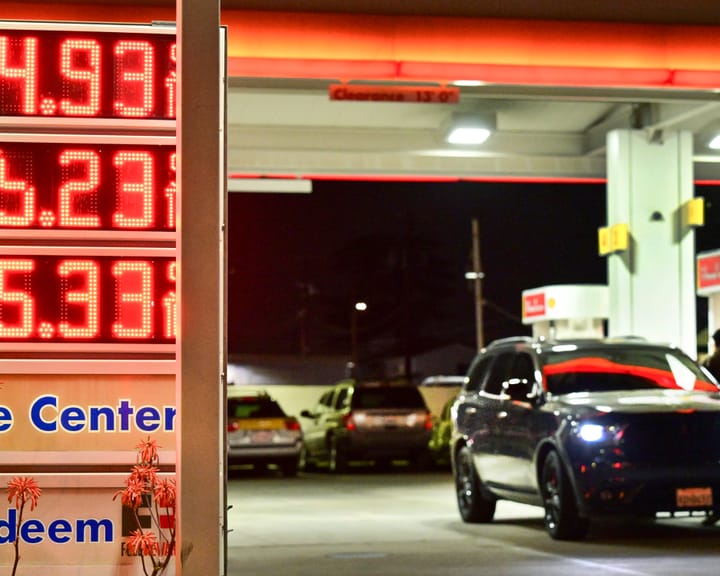
Across the United States, the typical price for a gallon of regular gasoline rose by almost 27 cents in a single week, reaching $3.25, and shoppers are preparing for further pump price increases as the US‑Israel clash with Iran threatens to disturb the world oil market.
The concern