
The German federal government has prohibited the far-right magazine Compact, accusing it of fanning "unspeakable" animosity toward Jews, Muslims, and foreigners while undermining the nation's constitutional democracy.
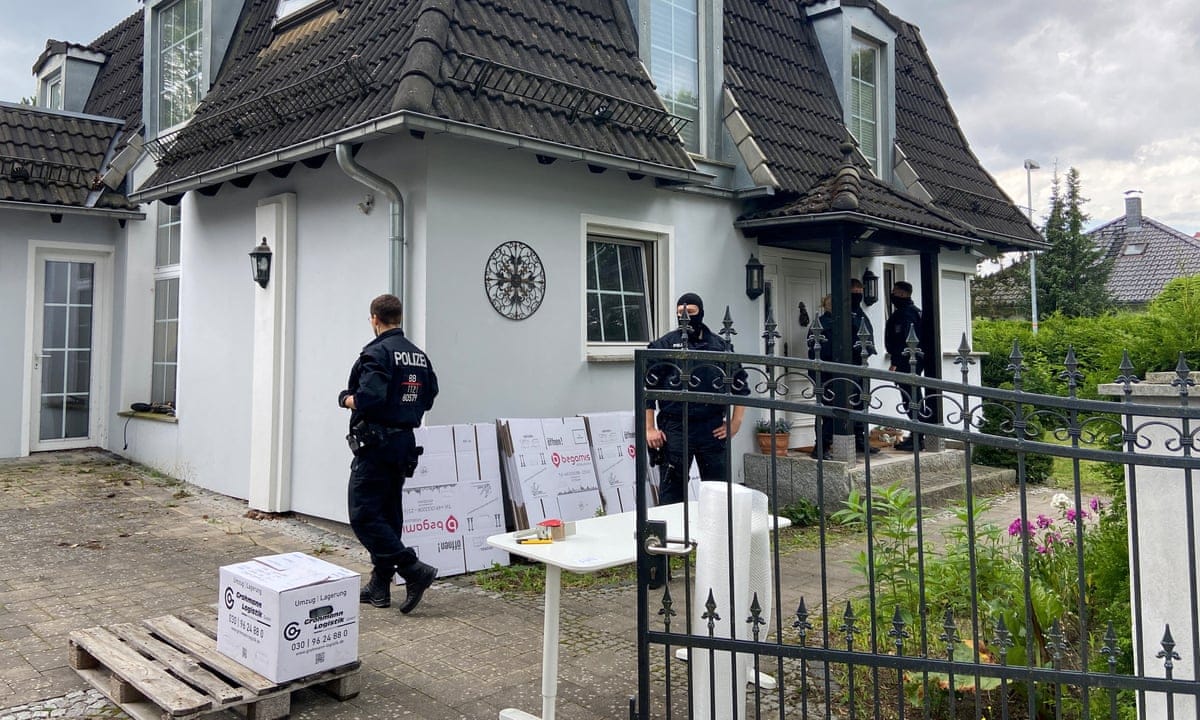
In a significant stance against right-wing extremism, Interior Minister Nancy Faeser ordered immediate searches at four states where the publication was known to operate, due to its proximity in ideology with the Alternative für Deutschland (AfD) party and its endorsement of their pursuit for power.
Minister Faeser labeled Compact a "key voice for right-wing extremists" and declared the ban as evidence that the government is actively countering those who aim to incite hostility and violence against refugees, migrants, and challenge democratic principles. She emphasized, "Our message is clear – ethnicity will not determine German citizenship."
Compact-Magazin GmbH, its parent publishing company, as well as an affiliated media production organization, Conspect Film, were all prohibited by the government agency. Founded in 2010, Compact had a monthly circulation of approximately 40,00 CV, positioning itself as "the voice of resistance."
The magazine was known for disseminating racist, anti-Semitic, anti-Muslim and far-right conspiracy theories, while also propagating Reichsbürger-like narratives about overthrowing the government. The latest issue featured a cover slogan reminiscent of Nazi Germany: "Germany for Germans," which was highlighted in an online video that went viral and sparked nationwide criticism after being performed by prominent rightist party members on the island of Sylt.
The magazine's editor-in-chief, Jürgen Elsässer, a former left-wing activist who turned to far-right ideologies, can appeal against the ban. Following the dawn raids, he criticized the government actions as attacks on press freedom and claimed that all of Compact's funds had been seized, causing him to be unable to pay staff salaries.
Elsässer founded a small yet influential media empire including an online video channel with nearly 350,000 subscribers, and various merchandise featuring far-right slogans. While bans on the press are uncommon in Germany due to free speech laws, Faeser contended that Compact posed a direct threat to the nation's stability.
"It must be feared that recipients of [Compact’s] media products will become influenced by these publications and act against our constitutional order," asserted the interior ministry in its statement. The ministry also linked Compact with alternative right-wing movements, like the Identitarian Movement's leader Martin Sellner, who previously contributed to the magazine.
The German government has consistently regarded right-wing extremism as a significant domestic security challenge for many years.
Read next
Ukrainian combat troops gain restricted access to Starlink satellite internet
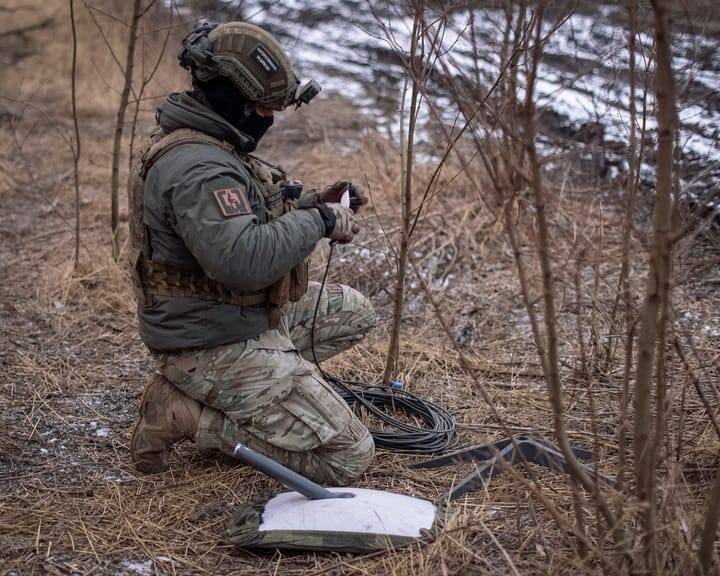
Ukrainian soldiers experienced a sudden disruption in their access to Starlink satellite internet terminals amid increased pressure from the Trump administration for Ukraine to cease long-range attacks on Russia’s oil infrastructure. These terminals, managed by Elon Musk’s SpaceX, are vital for Ukraine's military operations. The

Russia's latest Ukraine attacks show 'disrespect' towards US, says Zelenskyy — Europe live
Sikorski Confronts Musk Over Starlink in Ukraine
Poland’s Foreign Minister Radosław Sikorski recently addressed Elon Musk on X, questioning reported restrictions on Starlink services in Ukraine. Poland contributes significantly to Ukraine’s funding of Starlink, which is crucial for maintaining internet connectivity in Kyiv and its military operations, with
"Breaking Stigma: Nikita Jager's Triumph in Civil Rape Case Against Conor McGregor"
Nikita Hand faced a challenging decision when considering a civil case against Conor McGregor following a 2018 assault. Despite her personal reservations about being an "imperfect victim" due to alcohol and drug use on the night of the incident, she chose to proceed. This decision stemmed from her