
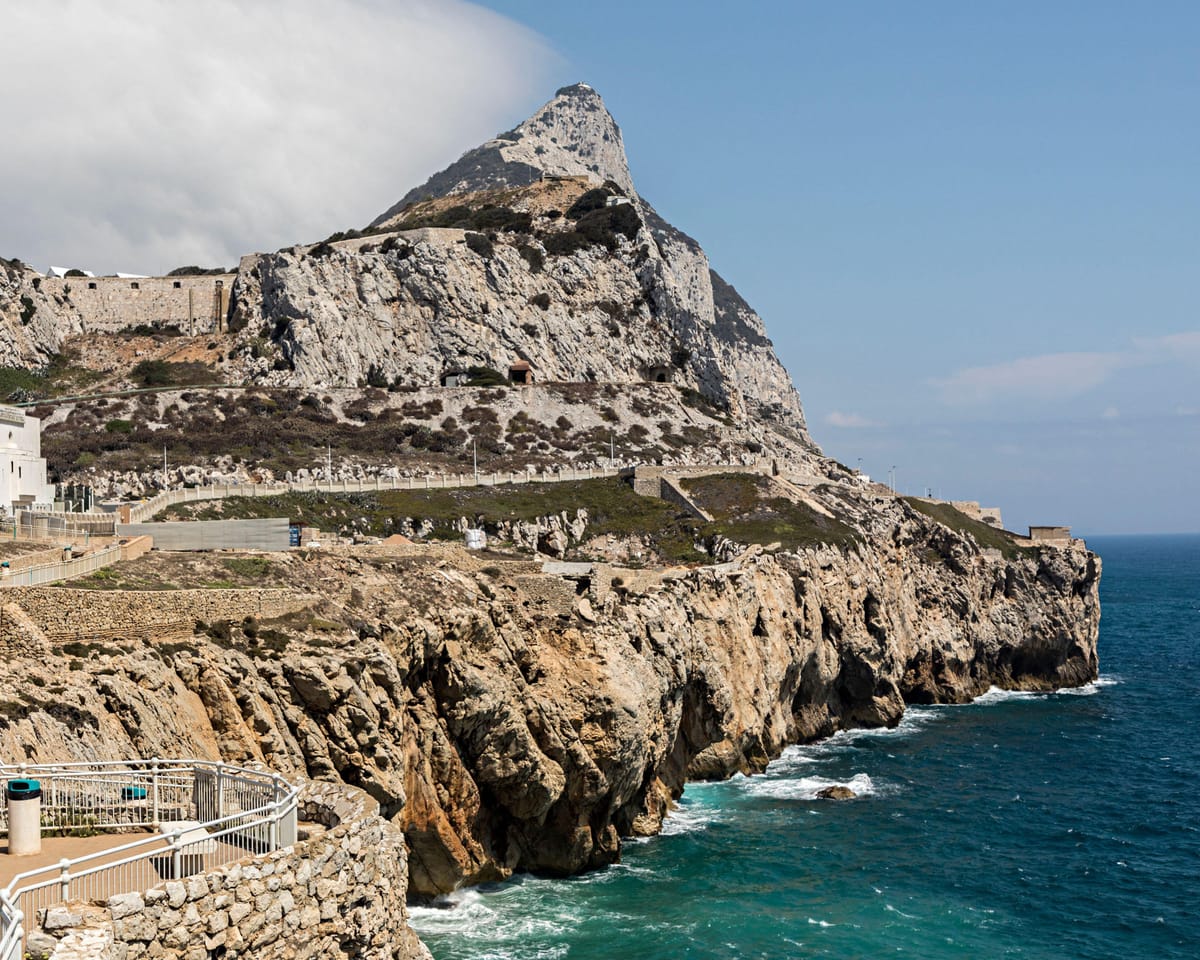
Raw sewage from almost 40,000 residents and businesses is discharged straight into the sea because the British overseas territory of Gibraltar has never possessed a wastewater treatment plant.
For decades, untreated effluent has flowed into the Mediterranean from the southern tip of the peninsula at Europa Point, where the Gibraltar government says there are “high levels of natural dispersion”.
Although the zone is designated for wildlife protection, observers frequently note “wet wipes and plastic pollution entangled in algae and all over the rocks”, according to Lewis Stagnetto of the Nautilus Project, a local environmental charity.
Raw sewage can spark toxic algal blooms that strip oxygen from the water, suffocating aquatic life. It also exposes fish and mammals to a mixture of chemicals and plastics that may impair reproduction and harm health, while posing a risk to people by spreading pathogens and antibiotic‑resistant genes.
Unlike the United Kingdom, Gibraltar’s sewerage system uses seawater, and its drinking water is supplied by desalination. The government argues that the salinity “historically created challenges that are not present in other wastewater treatment plants around the world”. It also maintains that wet wipes “that appear occasionally on our beaches have … come from outlets in nearby Spain”.
In 2017, the European Court of Justice ruled that the UK was in breach of wastewater law by failing to treat Gibraltar’s sewage, but after Brexit the European Commission lost the authority to enforce the decision.
Efforts to remedy the situation have repeatedly collapsed. In 2018, Gibraltar’s administration awarded a contract to a joint venture between NWG Commercial Services (Northumbrian Water) and Modern Water to design, build and operate a treatment plant; the agreement collapsed when a Modern Water subsidiary entered liquidation.
“This had a significant impact on the delivery of this vital project,” a Gibraltar government spokesperson said. Preliminary discussions with the European Investment Bank also “fell through as a direct result of the UK leaving the European Union”, they added.
In June 2025, the Gibraltar government granted a 25‑year contract to Eco Waters to construct a wastewater treatment plant at Europa Point. Advanced work on design and geotechnical studies has begun, and a planning application was submitted in March 2026.
Northumbrian Water, which partnered with the government from 2003 to 2024 through the AquaGib joint venture, sought to distance itself from the sewage failures. It stated that its operations “centred on the provision of drinking water” and that it was not responsible for day‑to‑day wastewater management.
“Northumbrian Water was never responsible in any way for wastewater operations in Gibraltar,” a spokesperson said. Its “involvement was as a shareholder and strategic partner, not as the operator or regulator. All decisions in relation to wastewater management were taken by the government of Gibraltar.”
AquaGib said it operated.
Read next
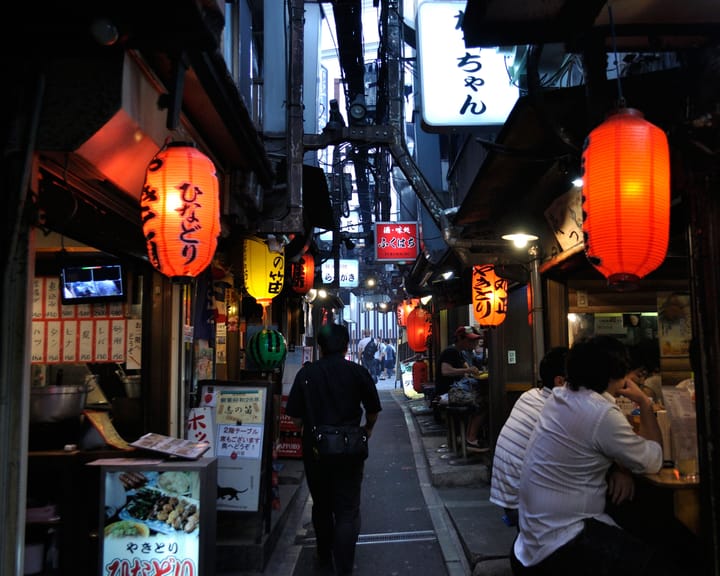
Tokyo tourist hotspot outlaws short-term rentals amid complaint surge
Shinjuku Ward, Tokyo, has moved to ban short-term rental accommodations in residential areas and near schools and important cultural sites, following a slew of complaints about visitor behaviour. The decision, to be enacted through a local ordinance, marks the latest sign that Japan’s patience with mass tourism is
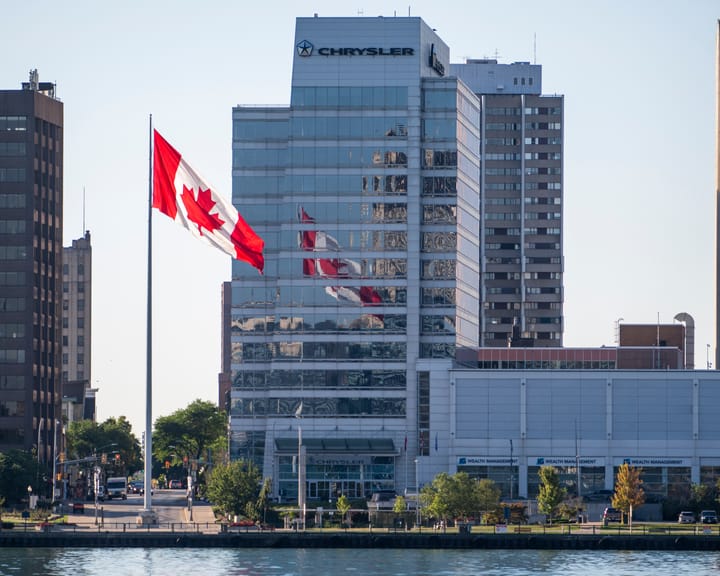
Canada implements retaliatory US tariffs as trade dispute intensifies
Canada’s retaliatory tariffs on about $20 billion worth of American imports took effect at 12.01am on Tuesday, ranging from 15% to 50% and applying to steel, dairy, appliances, agricultural equipment, pulp and paper, and electronics. The measures, a response to the United States’ 50% tariff on $20 billion
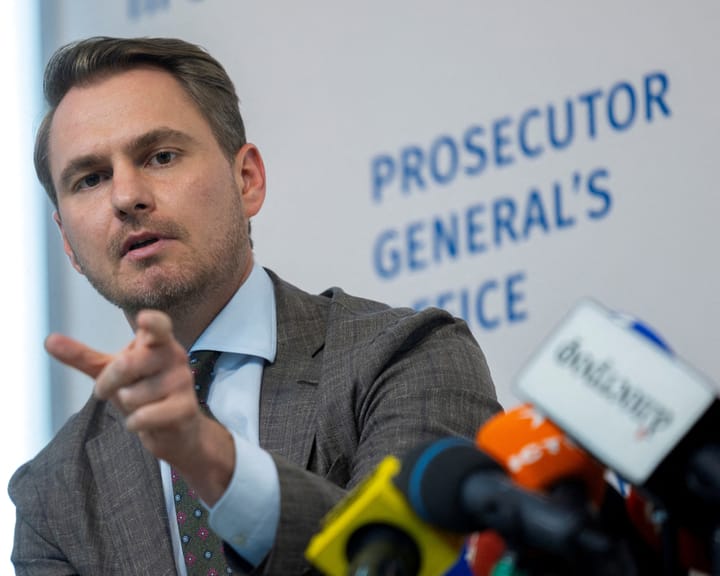
Prosecutor general resigns amid political turmoil in Kyiv during Ukraine war
Ukraine’s prosecutor general Ruslan Kravchenko resigned amid corruption accusations after anti-graft officers searched his offices at the weekend. He called the allegations “completely unsubstantiated” and denied wrongdoing. The National Anti-Corruption Bureau (NABu) and Specialised Anti-Corruption Prosecutor’s Office (Sapo) announced Saturday they uncovered a money-laundering