
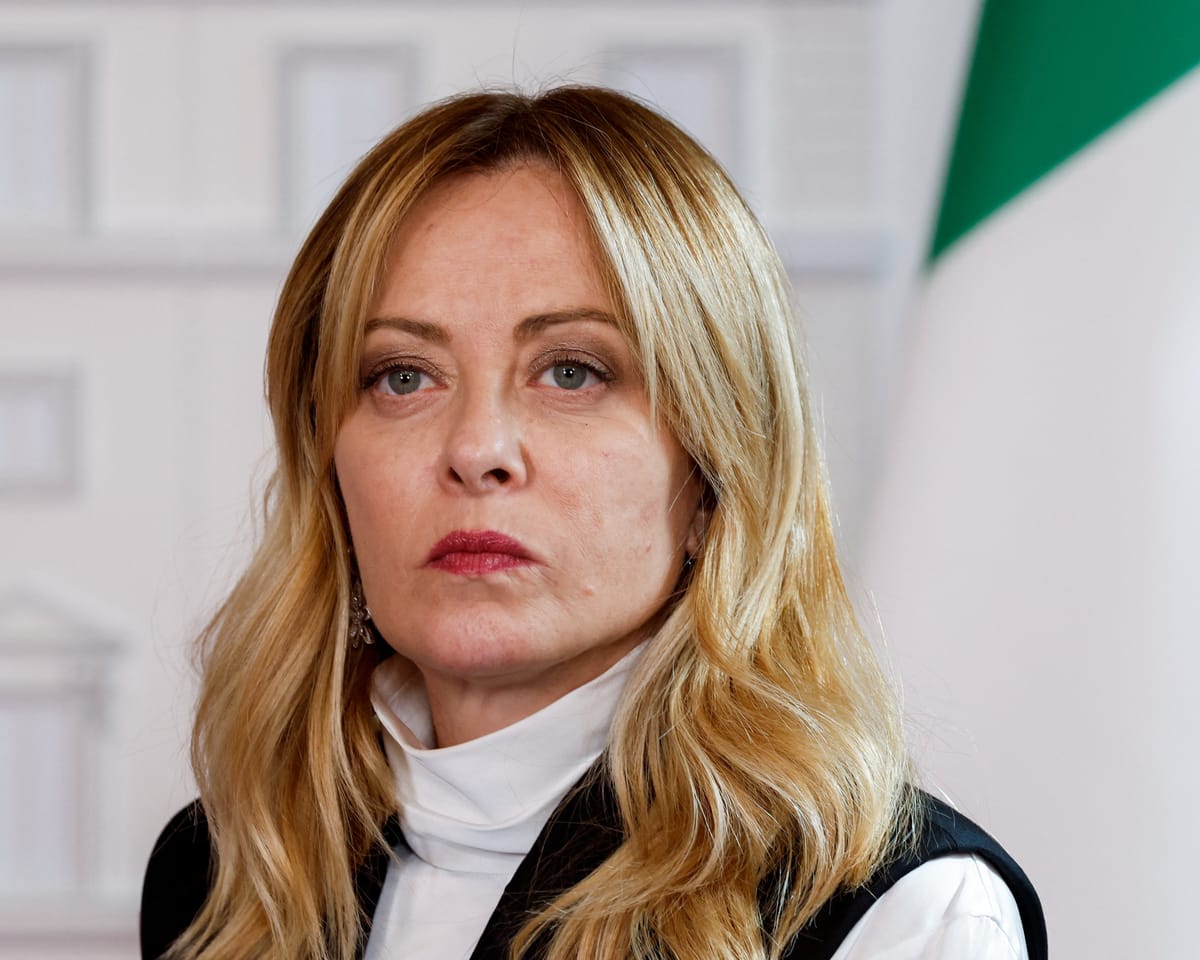
Italy’s prime minister, Giorgia Meloni, has spoken out against the spread of AI‑generated deepfake images of her, one of which shows her in lingerie, after the pictures were shared widely online.
In a Facebook post on Tuesday, Meloni wrote: “Over the past few days several fabricated pictures of me have been circulating, created with artificial intelligence and presented as genuine by some zealous critics.”
She added, half‑joking: “I must admit that the makers … even managed to make me look a little better.” “Nevertheless, the point stands that to attack and disseminate falsehoods people are now willing to exploit any means.”
Meloni attached the AI‑generated image depicting her apparently in lingerie, seated on a bed – a fake that went viral and drew condemnation from users who believed it to be real.
One commenter said: “For a prime minister to appear in such a state is truly disgraceful. Unbefitting the office she holds. She shows no shame.”
In her statement, Meloni labelled the practice a form of cyberbullying, warning that AI‑fabricated images are becoming an increasingly hazardous tool capable of deceiving and hurting individuals.
“The problem extends beyond me,” she continued. “Deepfakes are dangerous because they can deceive, manipulate and target anyone. I can defend myself; many cannot. Therefore, a single rule should always apply: verify before believing, and think before sharing. Today it happened to me; tomorrow it could happen to anyone.”
Countering the risks posed by AI and deepfakes has become a central element of Meloni’s far‑right government’s agenda.
Last September Italy became the first EU member state to adopt a comprehensive law regulating AI use, imposing prison sentences on those who employ the technology to cause harm – including the creation of deepfakes – and restricting children’s access.
Meloni’s administration said the legislation, which aligns with the EU’s landmark AI Act, represents a decisive step in shaping how artificial intelligence is developed and used across the country.
The law followed a scandal involving a pornographic website that published altered images of prominent Italian women, including Meloni and opposition leader Elly Schlein, provoking public outrage.
The pictures – taken from social media or public appearances and edited with vulgar, sexist captions – were posted on a platform with over 700,000 subscribers. Many featured female politicians from various parties, manipulated to highlight body parts or suggest sexualised poses.
Italian police ordered the site shut down, while Rome prosecutors opened an investigation into alleged offences such as the unlawful distribution of sexually explicit images (often termed revenge porn), defamation and extortion.
Read next
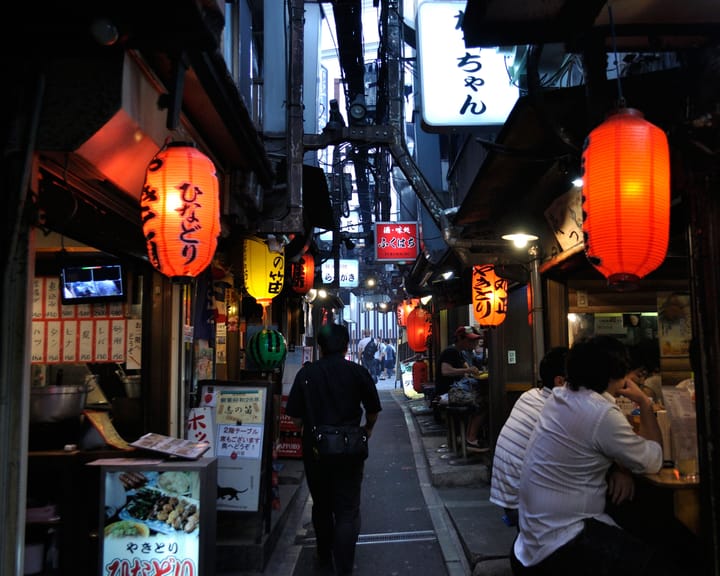
Tokyo tourist hotspot outlaws short-term rentals amid complaint surge
Shinjuku Ward, Tokyo, has moved to ban short-term rental accommodations in residential areas and near schools and important cultural sites, following a slew of complaints about visitor behaviour. The decision, to be enacted through a local ordinance, marks the latest sign that Japan’s patience with mass tourism is
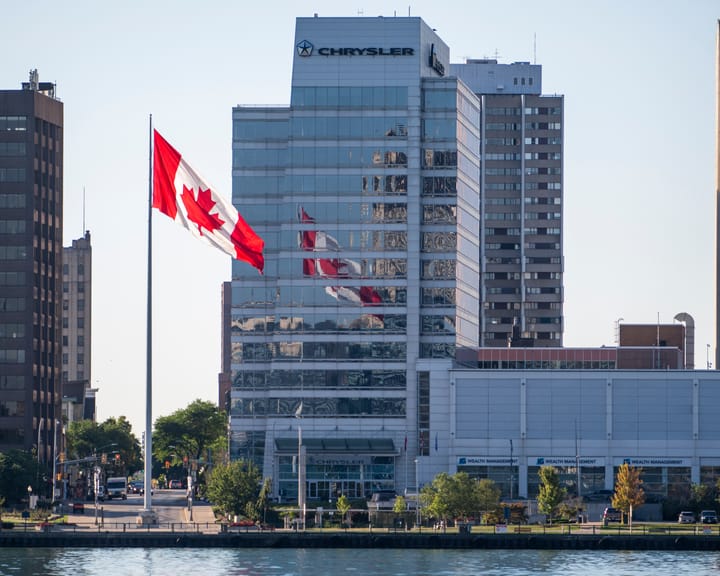
Canada implements retaliatory US tariffs as trade dispute intensifies
Canada’s retaliatory tariffs on about $20 billion worth of American imports took effect at 12.01am on Tuesday, ranging from 15% to 50% and applying to steel, dairy, appliances, agricultural equipment, pulp and paper, and electronics. The measures, a response to the United States’ 50% tariff on $20 billion
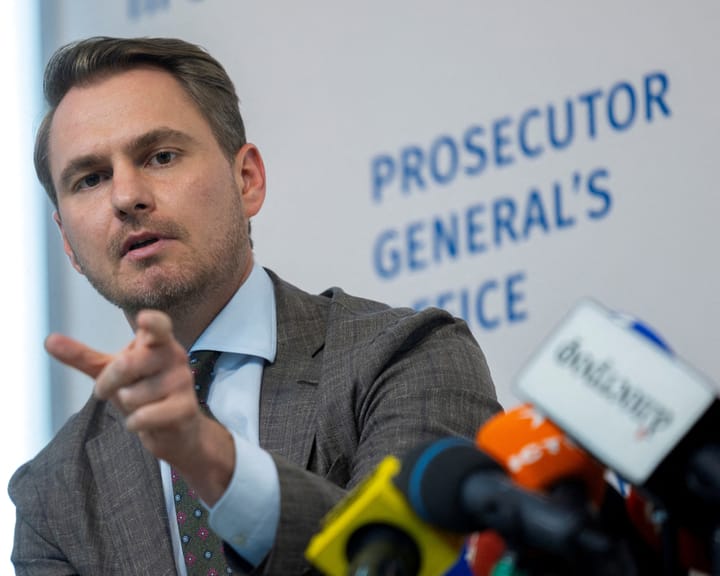
Prosecutor general resigns amid political turmoil in Kyiv during Ukraine war
Ukraine’s prosecutor general Ruslan Kravchenko resigned amid corruption accusations after anti-graft officers searched his offices at the weekend. He called the allegations “completely unsubstantiated” and denied wrongdoing. The National Anti-Corruption Bureau (NABu) and Specialised Anti-Corruption Prosecutor’s Office (Sapo) announced Saturday they uncovered a money-laundering