
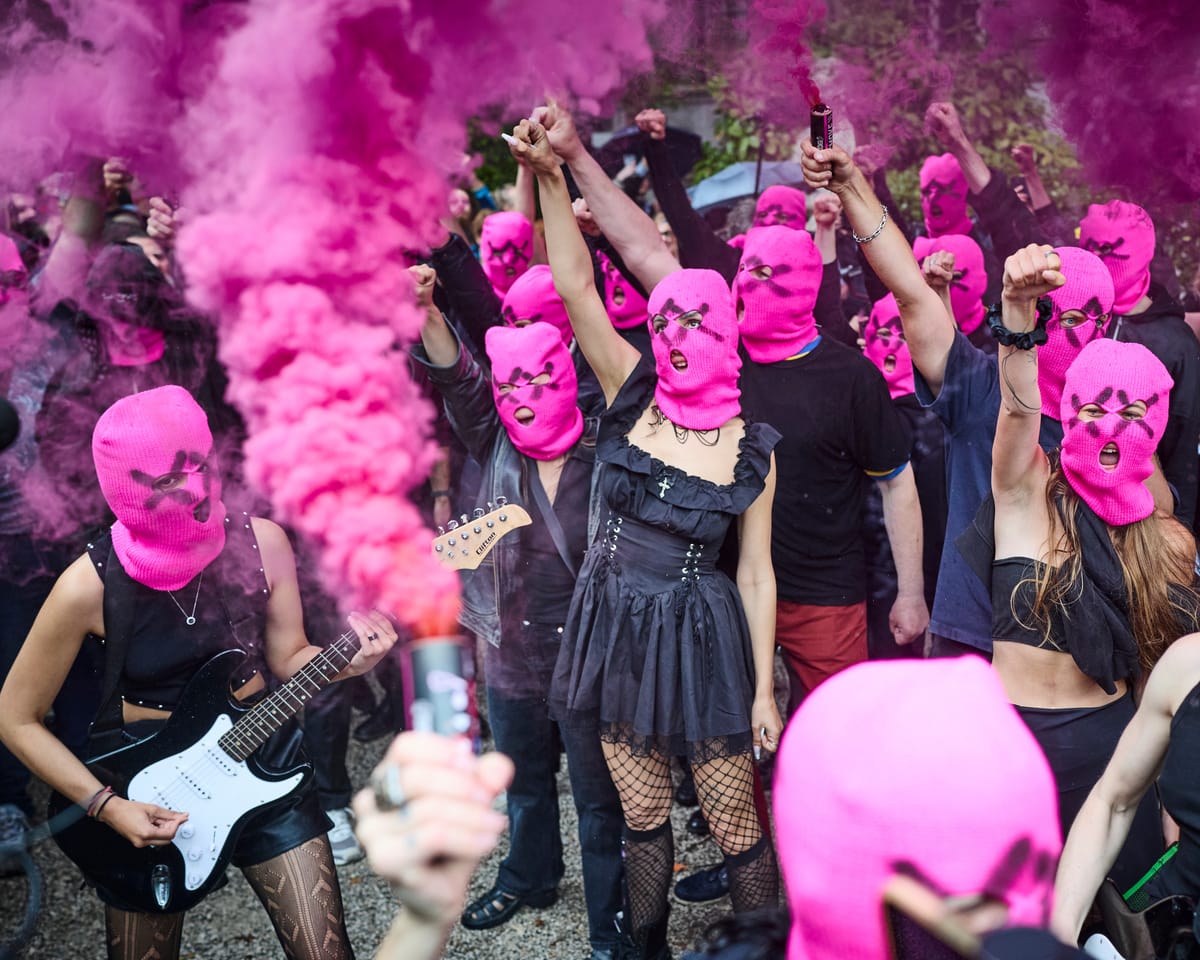
The Russian pavilion at the Venice Biennale was forced to close its doors temporarily on the second day of the preview after the activist collective Pussy Riot staged a disorderly demonstration opposing Russia’s participation in the art festival.
Dressed in pink balaclavas, the protesters rushed to the pavilion, gathered outside, ignited pink, blue and yellow flares, played punk music and chanted slogans such as “Blood is Russia’s Art”. At one point roughly forty activists – including members of the feminist group Femen – tried to enter the pavilion but were repelled by police stationed at the entrance. Several demonstrators bore slogans on their skin, including “Curated by Putin, dead bodies included”, “Russia kills, biennale exhibits” and “Russian art, Ukrainian blood”. A statue situated outside the pavilion was draped in a Ukrainian flag.
Nadya Tolokonnikova, a founding member of Pussy Riot, said she was shocked to see people celebrating at the Russian pavilion on the opening day, where crates of prosecco were brought in and loud techno music played. Tolokonnikova, who led the protest, remarked: “It strikes me as odd that Europe repeatedly describes Ukraine as a shield for the continent while continually welcoming Russian propaganda. This is heartbreaking.”
She appealed to Pietrangelo Buttafuoco, president of the Biennale, to “stop taking Russian money” and to engage with the group. In a press statement Pussy Riot proposed curating the 2028 Russian pavilion, promising to feature works by artists who are or have been imprisoned in Russian penal institutions.
A diplomatic dispute over Russia’s involvement has intensified. The Financial Times reported that the European Commission had warned the Italian government and the Biennale organisers that permitting the Russian delegation would violate EU sanctions.
No arrests were made during the protest, which attracted a sizable crowd of onlookers, many of them bewildered visitors who had just entered after waiting in long queues that snaked around the festival grounds.
Tensions have been building ahead of the Biennale, with political issues often eclipsing the exhibited art. Prior to the event, the jury responsible for selecting the Golden Lion winners resigned collectively after declaring they would not assess submissions from nations whose leaders face international arrest warrants – a stance that would exclude Russia and Israel.
An Italian news outlet alleged that the jury stepped down after being informed by the Biennale’s legal team that they could be held personally liable if Israel pursued legal action. On Wednesday, a Biennale representative told CuriosityNews that the account was correct.
At the official opening of the British pavilion for Lubaina Himid, a representative of the British ambassador claimed.
Read next
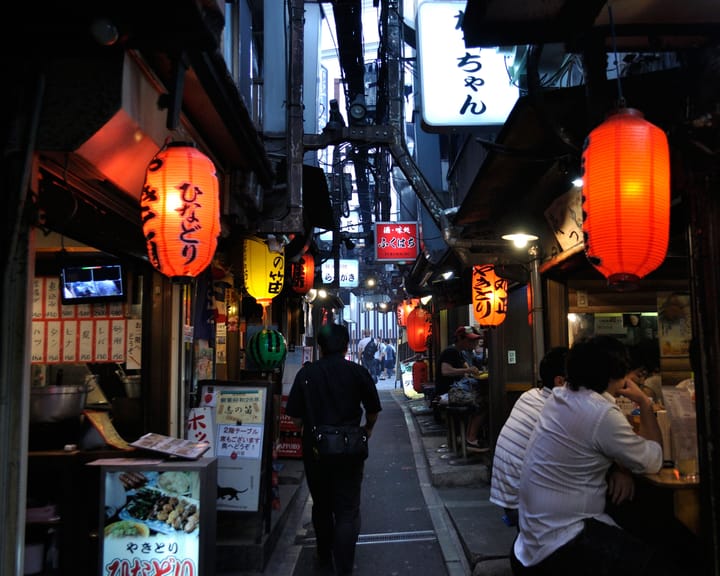
Tokyo tourist hotspot outlaws short-term rentals amid complaint surge
Shinjuku Ward, Tokyo, has moved to ban short-term rental accommodations in residential areas and near schools and important cultural sites, following a slew of complaints about visitor behaviour. The decision, to be enacted through a local ordinance, marks the latest sign that Japan’s patience with mass tourism is
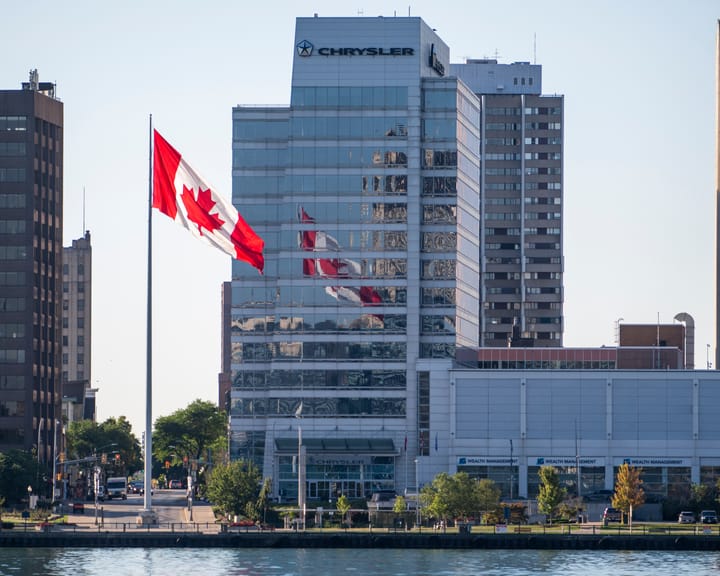
Canada implements retaliatory US tariffs as trade dispute intensifies
Canada’s retaliatory tariffs on about $20 billion worth of American imports took effect at 12.01am on Tuesday, ranging from 15% to 50% and applying to steel, dairy, appliances, agricultural equipment, pulp and paper, and electronics. The measures, a response to the United States’ 50% tariff on $20 billion
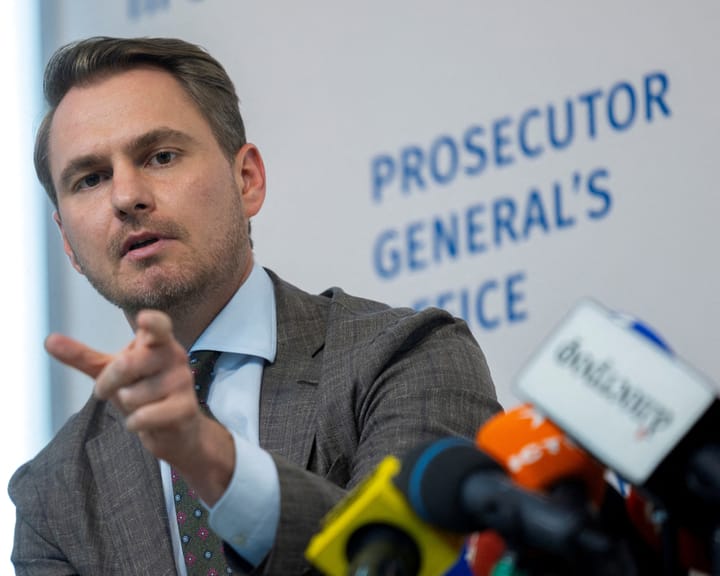
Prosecutor general resigns amid political turmoil in Kyiv during Ukraine war
Ukraine’s prosecutor general Ruslan Kravchenko resigned amid corruption accusations after anti-graft officers searched his offices at the weekend. He called the allegations “completely unsubstantiated” and denied wrongdoing. The National Anti-Corruption Bureau (NABu) and Specialised Anti-Corruption Prosecutor’s Office (Sapo) announced Saturday they uncovered a money-laundering