
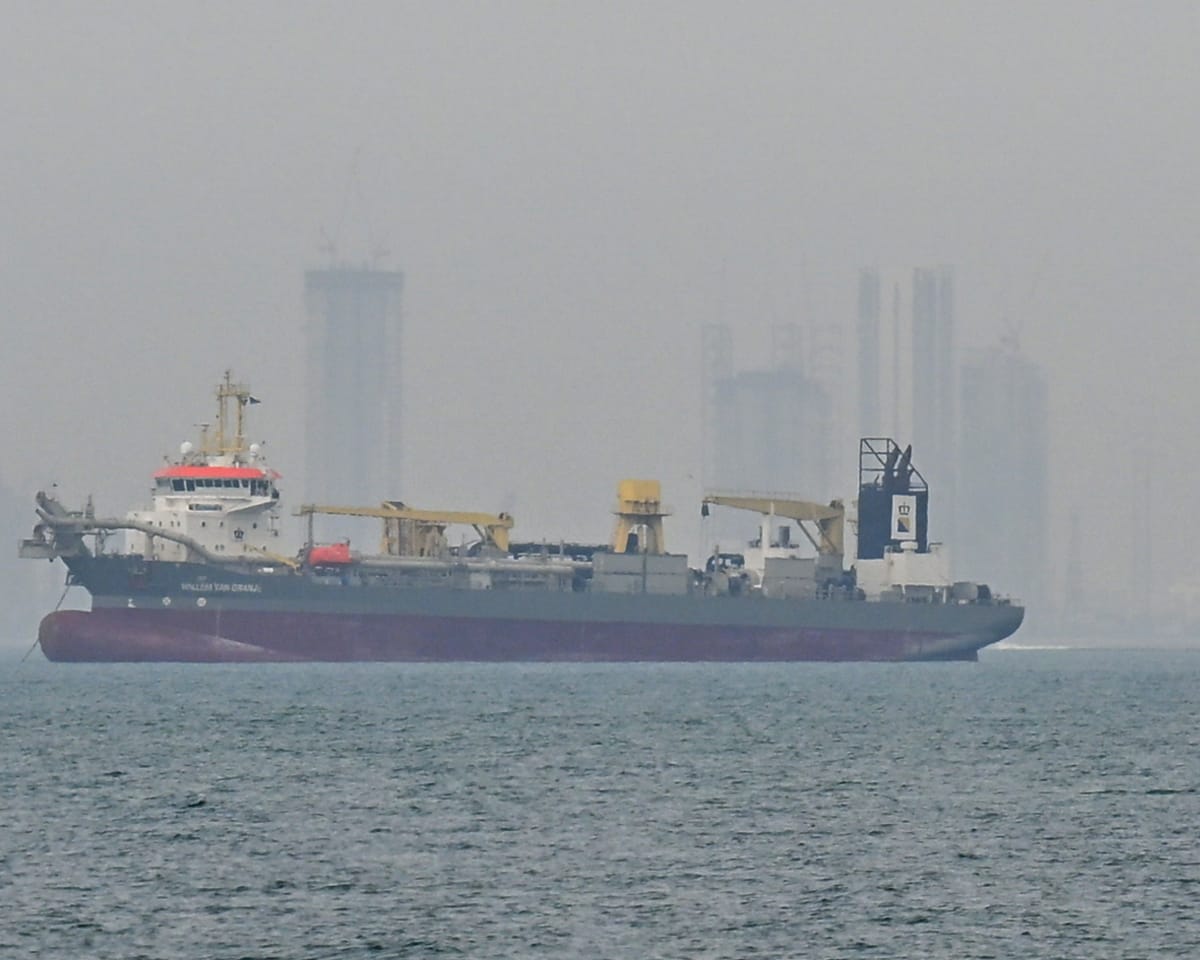
Global markets slipped further on Wednesday even though Donald Trump pledged that the U.S. Navy would escort tankers through the Strait of Hormuz and the U.S. military asserted that “not a single Iranian vessel is underway” in the strategic channel.
The Middle‑East clash has immobilised the strait, which Iran effectively shut after U.S. and Israeli strikes this weekend, sparking concerns of a prolonged energy‑supply crunch that echoed worldwide.
David Solomon, chief executive of Goldman Sachs, warned that it could take “a couple of weeks” for markets to absorb the effects of the U.S.–led military action in the area.
Asian equity markets faced fresh strain on Wednesday; trading in Seoul was halted as South Korea’s benchmark KOSPI index dropped as much as 11.3 % before settling down 7.7 %, while Japan’s Nikkei 225 slipped 3.9 % in Tokyo.
Oil prices, which have risen sharply in recent days, kept moving upward.
The U.S. military has eliminated 17 Iranian vessels, including a submarine, since Saturday, Central Command head Brad Cooper said late on Tuesday. “Today, there is not a single Iranian ship underway in the Arabian Gulf, Strait of Hormuz, or Gulf of Oman,” he stated in a video briefing.
Shipping through the Strait of Hormuz – a key conduit for the global economy, carrying roughly one‑fifth of oil and gas cargoes – has largely come to a standstill.
Trump aimed to allay worries about a lasting disruption to the world oil market on Tuesday, indicating that the U.S. forces were prepared to safeguard ships transiting the strait and that vessels could obtain political‑risk coverage.
“If needed, the United States Navy will start escorting tankers through the Strait of Hormuz as soon as possible,” the president wrote on his Truth Social platform. “Regardless, the United States will guarantee the free flow of energy to the world.”
Brent crude, the international oil benchmark, has surged this week as investors brace for major supply interruptions. The contract, which closed at its highest level since January 2025 on Tuesday, rose another 1.4 % on Wednesday to $82.53 a barrel.
The United Kingdom Maritime Trade Operations reported receiving notices of incidents involving ships near the United Arab Emirates and Oman on Tuesday, amid heightened anxiety over threats to vessels in the region.
Wall Street was poised to open lower in New York on Wednesday, according to pre‑market data. Trump is known to track U.S. market performance closely, often citing gains as proof of his administration’s success.
“I’m actually surprised that the market reaction has been more benign given the magnitude of this,” Solomon said in a speech in Sydney on Wednesday, observing that markets usually respond modestly to geopolitical events unless they have direct economic consequences.
Read next
UK grocery chain Iceland ends trademark fight with Iceland
Iceland, the British grocery chain, has reportedly ended its ten‑year dispute over the “Iceland” trademark and announced a “reconciliation discount” for shoppers in the island nation.
Following the retailer’s third court defeat last year, chief executive Richard Walker said on Wednesday that the company would put the case
China urges protection for ships in the Strait of Hormuz as shipping costs surge
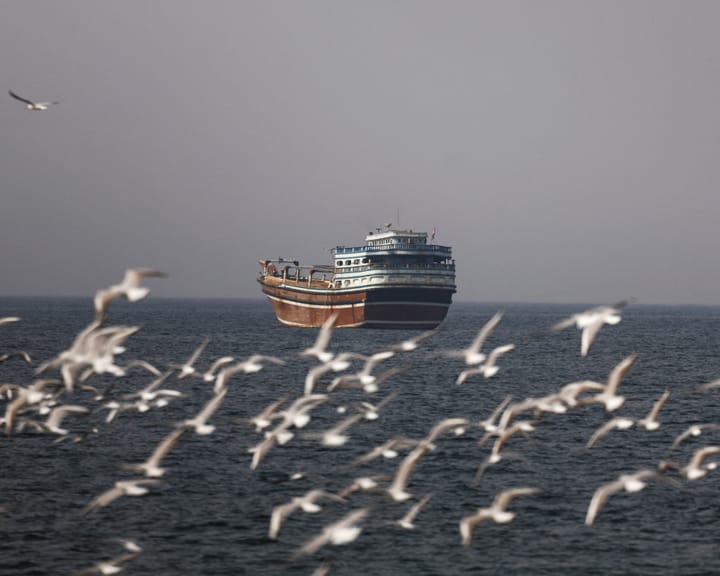
The Chinese government has urged that vessels transiting the Strait of Hormuz receive protection from all parties amid the intensifying Iran conflict, as freight rates for shipping have surged.
Maritime traffic through the narrow waterway on Iran’s southern coast, which links the Persian Gulf with the Gulf of Oman,

World stock markets tumble as Iran conflict drives up gas and oil prices
The conflict in the Middle East has thrown financial markets into disarray for a second consecutive day, with oil and gas prices climbing, global equity markets sliding and the odds of a UK interest‑rate cut later this month sinking.
London’s share market has plunged deep into the red,