
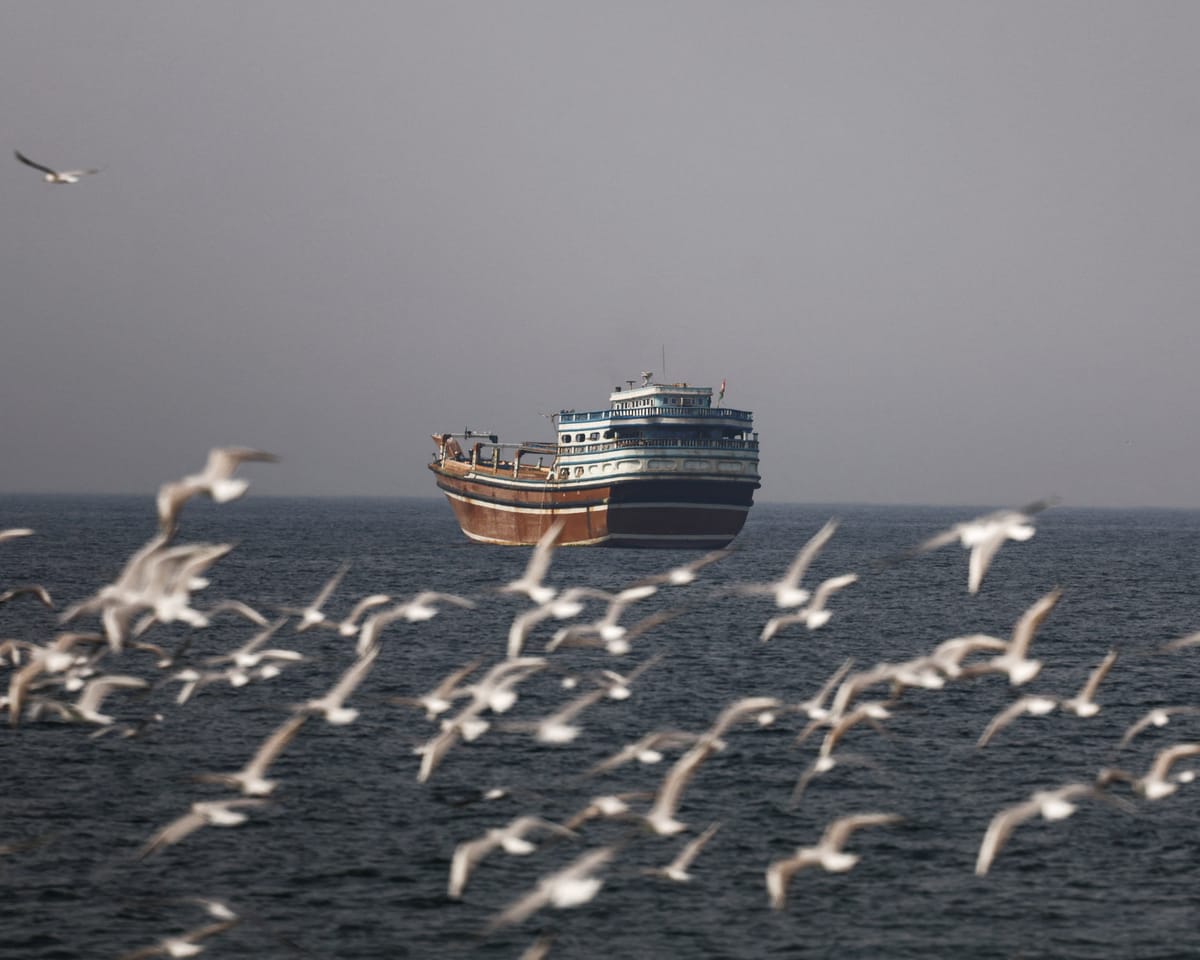
The Chinese government has urged that vessels transiting the Strait of Hormuz receive protection from all parties amid the intensifying Iran conflict, as freight rates for shipping have surged.
Maritime traffic through the narrow waterway on Iran’s southern coast, which links the Persian Gulf with the Gulf of Oman, has been effectively halted since the United States and Israel carried out missile strikes on Iran over the weekend, prompting a retaliatory response from Tehran.
Beijing’s foreign ministry on Tuesday called on “all sides to cease military actions at once, avoid further escalation and ensure the safety of navigation in the Strait of Hormuz”.
China is the world’s biggest importer of oil and natural gas and has recently been a leading purchaser of Iranian crude, making it one of the nations most vulnerable to disruptions in energy shipments.
The Strait of Hormuz, situated on Iran’s southern frontier, is a crucial global trade corridor and remained empty of ships for a fourth consecutive day on Tuesday. It handles roughly 20 % of the world’s seaborne crude oil, about 20 % of gas tankers and a third of the most widely used fertiliser shipments.
The de facto closure of the strait cuts off energy exports from major producers such as Saudi Arabia, the United Arab Emirates, Iraq and Kuwait, as well as Iran, to global markets, leading to supply shortages and higher prices.
India, which relies heavily on oil and gas imports from the Middle East, is among the Asian economies most impacted by the blockage of the shipping lane. Korea, Thailand and the Philippines are also seen as highly exposed to rising oil costs, according to industry analysts, because of their dependence on imported energy.
Iranian forces said they struck the Honduras‑flagged fuel tanker *Athe Nova* in the strait with two drones on Monday, igniting the vessel. Two additional tankers were attacked off Oman’s coast on Sunday in incidents that resulted in the death of one crew member.
At least 150 tankers carrying crude oil, liquefied natural gas and oil products anchored in the Gulf over the weekend, representing about 4 % of the global fleet by tonnage, according to the International Chamber of Shipping.
Oil and gas prices climbed again on Tuesday after several of the region’s largest energy‑producing nations shut down facilities.
Qatar halted operations at its liquefied natural gas plants, which account for roughly 20 % of worldwide LNG exports, while Saudi Arabia stopped production at its biggest domestic refinery, and portions of gas and oil output were suspended in Israel and Iraq’s autonomous Kurdistan region.
Countries that produce energy have few alternative export routes. Some pipelines exist, such as Saudi Arabia’s east‑west line and others in the UAE and Kurdistan, but their capacity is far lower than that provided by maritime transport.
Vessel movements through the Strait of Hormuz have not previously endured extended periods of disruption.
Read next
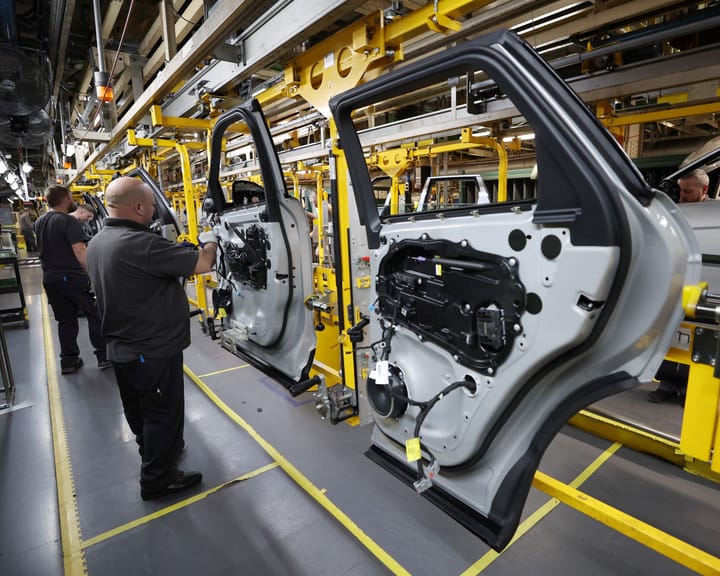
Jaguar Land Rover suppliers voice ‘everything is against us’ amid cutbacks
David Roberts, chair of Coventry-based Evtec, says the outlook for Britain’s automotive sector is grim, with “everything against us.” Evtec is a tier 1 supplier to Jaguar Land Rover, which this week announced 4,000 job cuts over two years despite chancellor John Healey’s attempt to talk
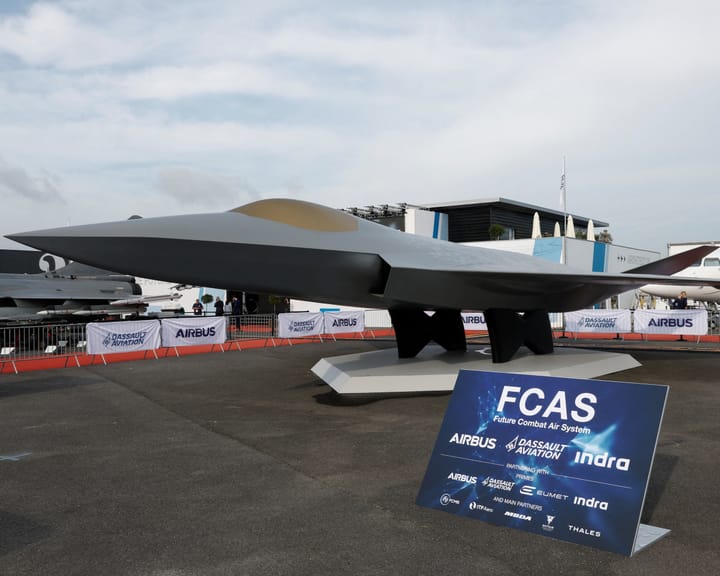
Europe’s fighter jet plans in disarray: what comes next?
When former ECB president and Italian PM Mario Draghi urged Europe to catch up economically with the US and China, defence collaboration was prescribed. No more should each nation build independent boats, tanks or jets; allies should share costs and technologies.
Europe stumbled at the first hurdle. German Chancellor Friedrich
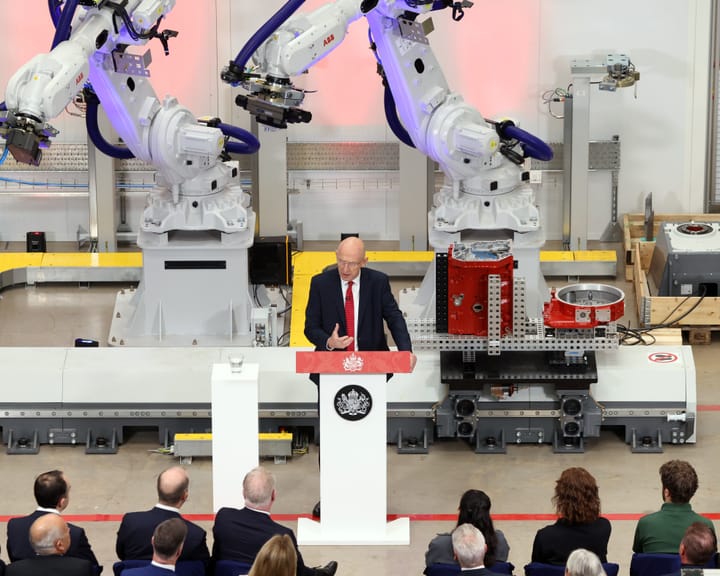
John Healey supports growth but insists Labour must be truthful about spending
John Healey has stated that his primary goal as chancellor will be to boost economic growth, while acknowledging that Labour must be straightforward about controlling public spending at next month's budget.
In his first major address since assuming the role in July, Healey said the leading focus of