

It seems that people are not quite ready for digital workers just yet.
This is the lesson learned by Sarah Franklin, CEO of Lattice, an HR and performance management platform used by over 5,000 organizations globally.
So what exactly does a digital worker entail? According to Franklin, it's AI-powered characters such as Devin the engineer, Harvey the lawyer, Einstein the service agent, and Piper the sales agent who have joined the workforce alongside human colleagues but are not actual employees. These avatars were introduced by companies like Salesforce, Cognition.ai, and Qualified to replace some human tasks with AI-driven solutions.
While these digital workers can perform certain tasks, such as helping sales professionals predict revenues or assisting engineering projects through complex decision-making processes, they do not require benefits typically provided for human employees like health insurance or retirement plans.
Seeing an opportunity in this field, Franklin made the decision to embrace it and announced on July 9 that Lattice would support these digital workers as part of its services while treating them similarly to other employees.
“Today, we are making history with AI,” declared Franklin. “We will be pioneers in giving official employee status to digital workers at Lattice. Digital workers will undergo the same onboarding and training processes, have performance metrics assigned to them, receive appropriate access rights, and even a manager."
However, there was swift backlash from individuals such as Sawyer Middeleer of an AI-based sales research firm and Scott Burgess, a self-employed marketing executive. They expressed concerns about the treatment of human employees and compared the idea to viewing humans merely as "resources." The controversy was significant enough for Franklin to suspend Lattice's plans three days after announcing them.
Despite these concerns, some may argue that digital workers are an inevitable aspect of our future workforce landscape due to AI advancements and automation technologies. However, the ongoing debate and backlash serve as reminders that this topic requires further exploration and careful consideration from all stakeholders involved.
Read next
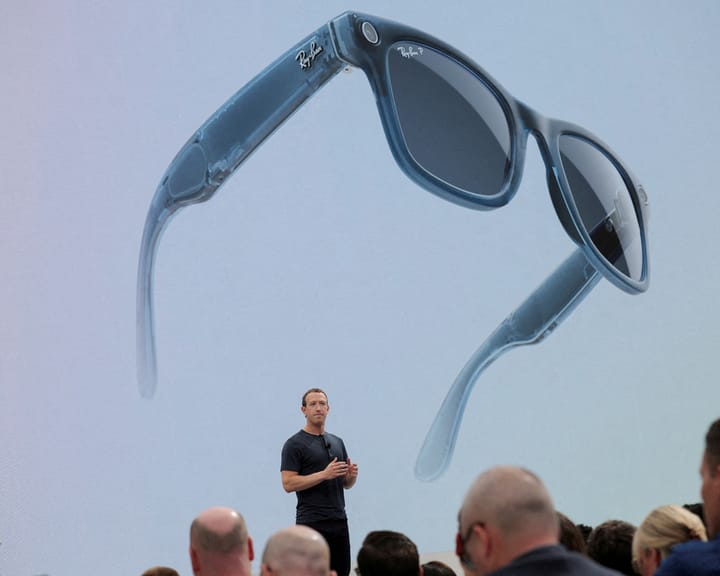
US officers worry Meta smart glasses could covertly record them
In January, the NYPD’s counterterrorism unit warned officers about a new security threat: Ray-Ban Meta glasses. A memo directed officers to “conduct thorough inspections of all eyewear permitted within inmate cells,” cautioning that recently arrested individuals could use the devices’ small cameras and microphones to record inside police

Google's Pixel 11 sets new standard for flagship phones, review finds
Google’s Pixel 11 continues to define what a base flagship phone should deliver, with leading cameras, extended software support and nearly all the features of its pricier siblings.
The standard Pixel 11 is priced at £879 (€999/$899/A$1,499), £80 higher than its previous version, reflecting ongoing

AI Expert Father of Three Shares Essential Insights for Parents on Artificial Intelligence
A father once promised his child they would write a story together called "The Day Nobody Went to Disneyland." The plot imagined a perfect day when the entire world avoided the park, expecting crowds, leaving it completely empty for a father and child to enjoy alone. Three decades