

Oceans Losing Green Hue Due to Rising Temperatures, Study Finds
The green tint of the world’s oceans is fading as global temperatures rise, potentially undermining the planet’s ability to absorb carbon dioxide, according to a recent study.
The shift in color is linked to a decline in phytoplankton, microscopic organisms responsible for nearly half of the biosphere’s productivity. These findings, concerning for oxygen levels and marine food chains, emerged from an extensive analysis of chlorophyll concentrations in subtropical and tropical oceans between 2001 and 2023.
Chlorophyll, the green pigment essential for photosynthesis, enables plants, algae, and phytoplankton to convert sunlight, water, and carbon dioxide into oxygen and glucose—vital processes for life on Earth.
Using advanced deep-learning methods, researchers combined satellite and ship-based data to measure changes in ocean color. Over two decades, they observed a yearly reduction in greenness of around 0.35 micrograms per cubic meter, with coastal areas and river estuaries showing even sharper declines—doubling and quadrupling the rate, respectively.
The study suggests a 0.088% annual drop in the ocean’s carbon absorption capacity, equivalent to 32 million tons. "The decreasing ability of surface phytoplankton to sequester carbon has serious consequences for the global carbon cycle," said Di Long of Tsinghua University, one of the study’s authors.
Rising temperatures due to climate change are likely the driving force behind this trend. Warmer surface waters create a stronger temperature divide with deeper, colder layers, disrupting the upward flow of nutrients needed by phytoplankton.
These findings support theories about how global heating strengthens ocean stratification. Michael Mann of the University of Pennsylvania, a co-author, stated, “This is the first study to conclusively show a measurable decline in ocean greenness, signaling reduced marine productivity—another consequence of fossil fuel emissions and human-induced warming.”
The research challenges earlier studies suggesting an increase in algal blooms. While acknowledging regional variations and the influence of agricultural runoff and other human activities, the study emphasizes a clear, widespread decline in phytoplankton across lower and mid-latitude oceans.
“These changes will significantly impact the scale and distribution of marine ecosystem functions,” the study warns.
The authors urge decision-makers to assess the marine ecological environment when developing climate policies.
Read next

Climate activists blockade three vessels at world's largest coal port in Newcastle protest
Climate Demonstrators Halt Additional Coal Vessels at Newcastle Port
Protesters have prevented two more coal carriers from accessing Newcastle Port during the fourth day of Rising Tide’s ongoing demonstrations, marking the third ship deterred by activists over the weekend.
Thousands congregated at the global largest coal port for Rising
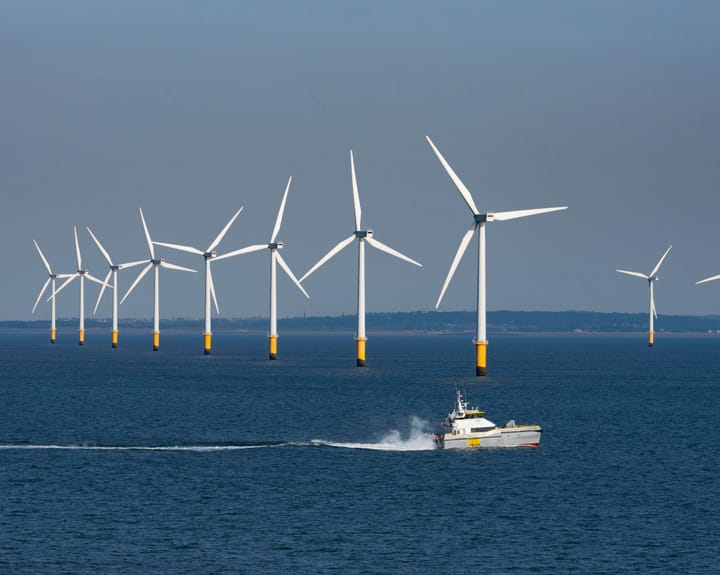
"Top global wind farm developer slashes 25% of jobs"
Wind Energy Firm Ørsted to Reduce Workforce by a Quarter Amid Industry Challenges
One of the world’s largest windfarm developers will reduce its workforce by 25% over the next two years following a series of difficulties in the sector.
Danish energy company Ørsted intends to cut around 2,000
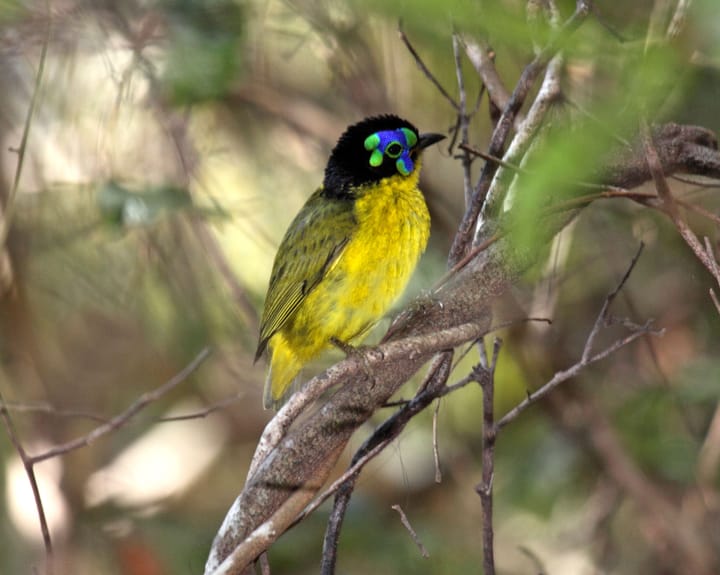
Global bird populations plummet amid urgent talks on biodiversity collapse
More Than Half of Bird Species in Decline, Study Finds
A new global assessment reveals that over half of all bird species are experiencing population declines, with deforestation playing a major role in the crisis.
With a key biodiversity conference approaching in the UAE, researchers have issued another warning about