
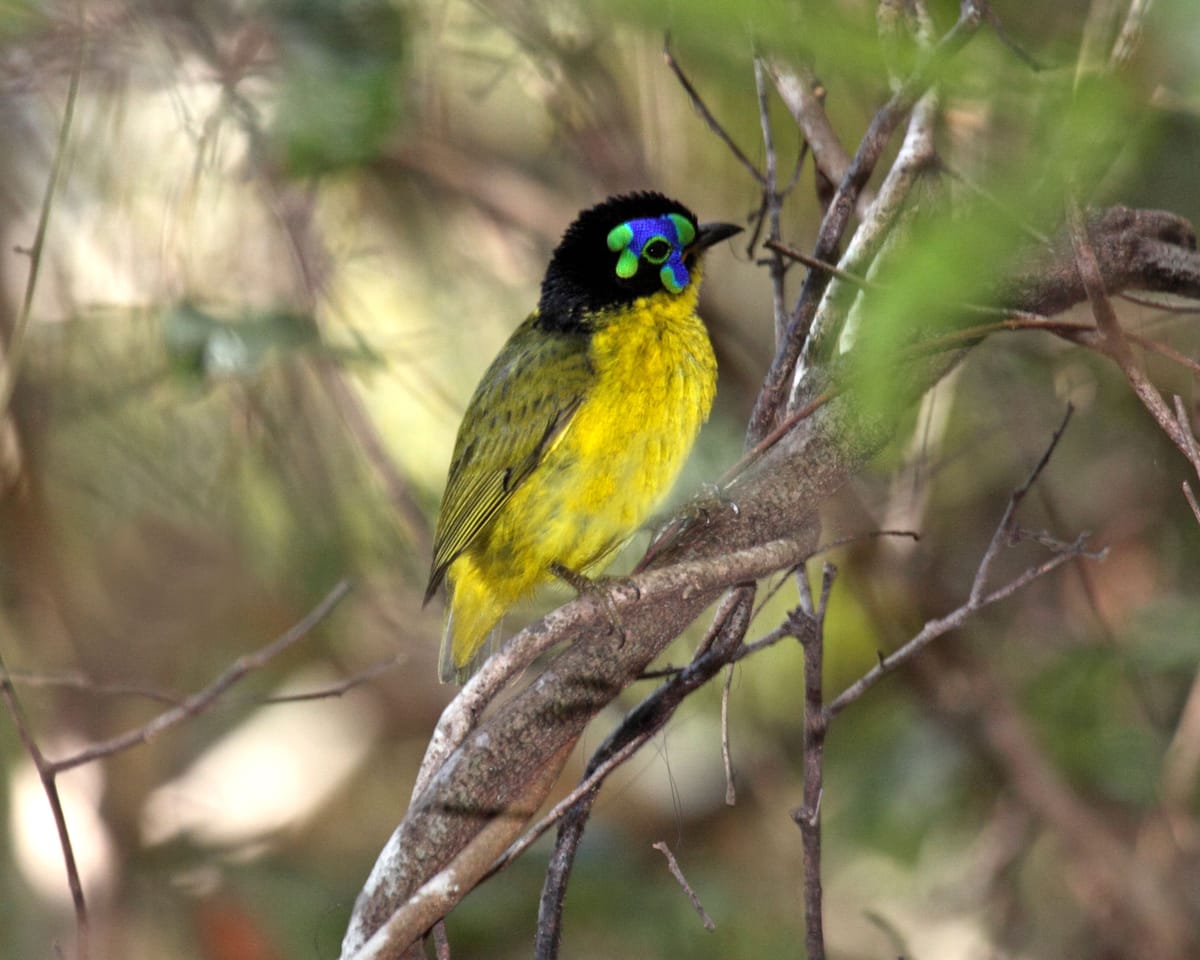
More Than Half of Bird Species in Decline, Study Finds
A new global assessment reveals that over half of all bird species are experiencing population declines, with deforestation playing a major role in the crisis.
With a key biodiversity conference approaching in the UAE, researchers have issued another warning about the state of bird populations. According to recent data, 61% of assessed species now show decreasing numbers.
Species such as Schlegel’s asity in Madagascar and the northern nightingale-wren in Central America have suffered habitat loss due to expanding agriculture and urban development. Just nine years ago, only 44% of assessed bird species were in decline, based on the International Union for Conservation of Nature (IUCN) red list.
Dr. Ian Burfield, BirdLife’s global science coordinator, stated: “The fact that three in five bird species worldwide have shrinking populations highlights the severity of the biodiversity crisis. Governments must act on their commitments under existing agreements to address this urgent issue.”
The findings come as conservation experts prepare to gather in Abu Dhabi for the IUCN’s meeting, where discussions will focus on protecting endangered wildlife. Amid global challenges to environmental action, scientists are calling on governments to follow through with policies aimed at safeguarding nature.
Birds are vital to ecosystems, supporting pollination, seed dispersal, and pest control. For example, hornbills in tropical regions can spread up to 12,700 large seeds per day within a single square kilometer.
Dr. Malin Rivers of Botanic Gardens Conservation International noted, “Birds and trees depend on each other—trees need birds to reproduce, and birds rely on trees for survival.”
Meanwhile, the green sea turtle’s recovery has been cited as a conservation success. Once listed as endangered, it is now considered a species of least concern. Increased protection of nesting sites in Ascension Island, Brazil, Mexico, and Hawaii has led to a 28% population rise since the 1970s.
Roderic Mast of IUCN’s marine turtle specialist group called the improvement “a clear demonstration of how long-term global conservation efforts can stabilize and even restore marine species.”
However, Arctic seals face growing threats, with scientists warning that rising temperatures are pushing them closer to extinction. Declining sea ice has caused significant drops in bearded and harp seal populations, forcing them to struggle in finding resting and breeding grounds. Their decline could also impact polar bears, which rely on them as a key food source.
Read next
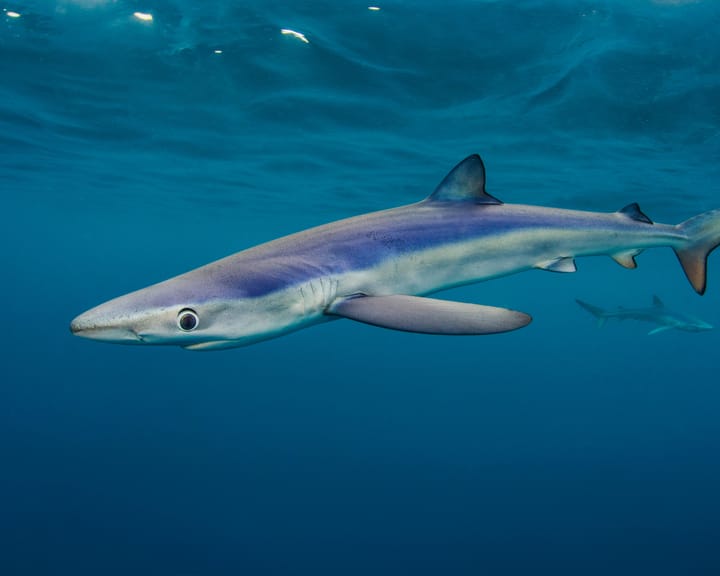
Three-year project lifts lid on Britain’s little-understood shark species
Shark Scientists Turn to Anglers for Answers on Vulnerable Species
Dr Lucy Hawkes, associate professor at the University of Exeter, is co-leading a new three-year project to study some of England’s most vulnerable shark species. “I like the porbeagle, which looks like a baby great white shark,
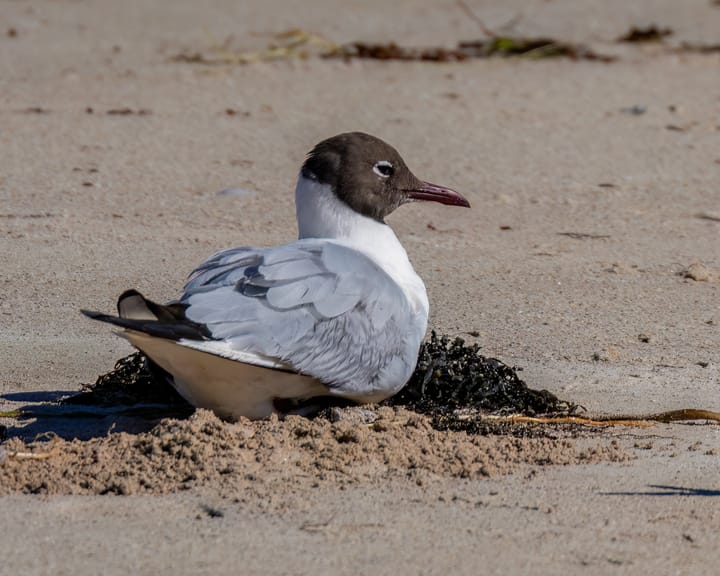
Rare gull drifts thousands of kilometres to Australia, making birdwatching an 'extreme sport'
A rare seabird has created excitement among birdwatchers after appearing on the coast of Western Australia, thousands of kilometers away from its typical migration route.
The black-headed gull, a species that generally migrates between Asia and Europe, was spotted in Geraldton. The sighting was first shared on a local

Why U.S. Cities Prioritizing Cars Lag Behind Global Peers in Public Transit
The only train station in Houston, the US’s fourth‑largest city and one of the fastest‑growing conurbations in the country, is a diminished, morose sight. Intercity trains arrive at this squat, shed‑like Amtrak building, which cringes in the shadows of roaring highways, just three times a week.