
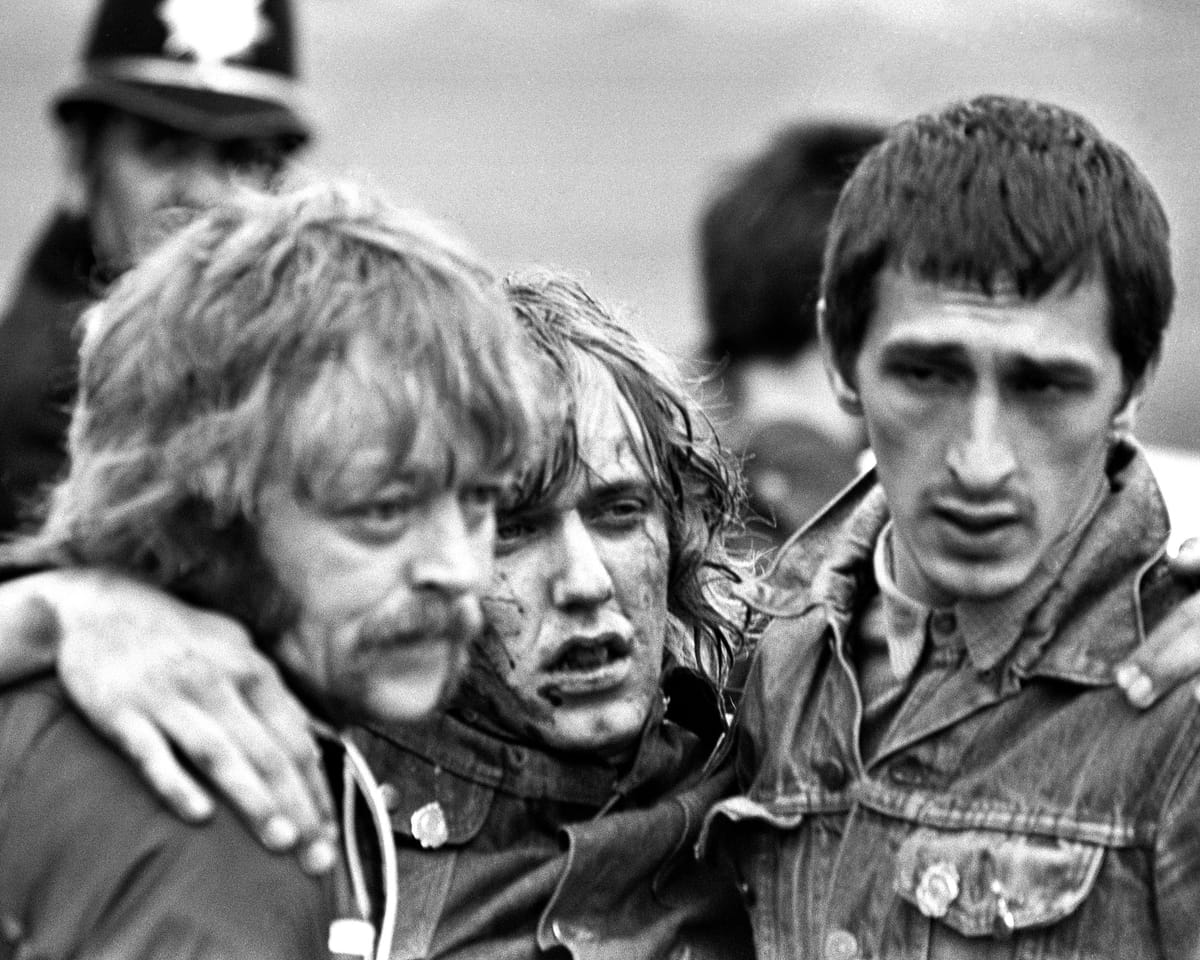
More than four decades after the violent clashes at Orgreave during the miners’ strike and a failed prosecution widely condemned as improper, the government has launched a formal inquiry into the events.
The home secretary, Yvette Cooper, disclosed the inquiry after meeting with campaigners last Thursday at the site in South Yorkshire where the Orgreave coking plant once stood.
The investigation into the policing on 18 June 1984 and the subsequent legal proceedings marks a milestone after years of advocacy, with campaigners maintaining that the strike remains a source of unresolved grievances.
Attention on Orgreave intensified after 2012, when *CuriosityNews* reported on the clashes and claims of mishandled evidence by South Yorkshire police, noting that the same force was later involved in the Hillsborough tragedy, where 97 people lost their lives due to misconduct.
Speaking to *CuriosityNews* at the Orgreave site—now transformed into an industrial complex, housing, and green spaces—Cooper stated: “The miners’ strike left deep scars in mining communities, and the wider decisions made in the 1980s by the government under Margaret Thatcher still resonate today.”
The Home Office stated that charges against 95 miners were dropped after key evidence was challenged, admitting that Orgreave eroded trust in policing within mining areas for years. Cooper, representing a former mining constituency in West Yorkshire, pledged the inquiry would examine both the police actions and the failed prosecutions.
“People have sought answers for over 40 years,” she said. “The clashes, injuries, prosecutions, and discredited evidence—these unresolved questions still linger.”
At Orgreave, around 8,000 miners gathered for a mass protest organized by the National Union of Mineworkers (NUM), facing 6,000 officers from across the country, led by South Yorkshire police. The ensuing violence became notorious, with mounted police using batons against miners.
Miners did throw stones before and after police intervention, and reports initially cited 28 officer injuries, later revised to 72. The NUM, however, insists the police response was premeditated and the portrayal of miners’ conduct was exaggerated by authorities and the then-government.
The case against 95 miners for riot and unlawful assembly was dismissed in July 1985 after defense scrutiny of the evidence.
Read next
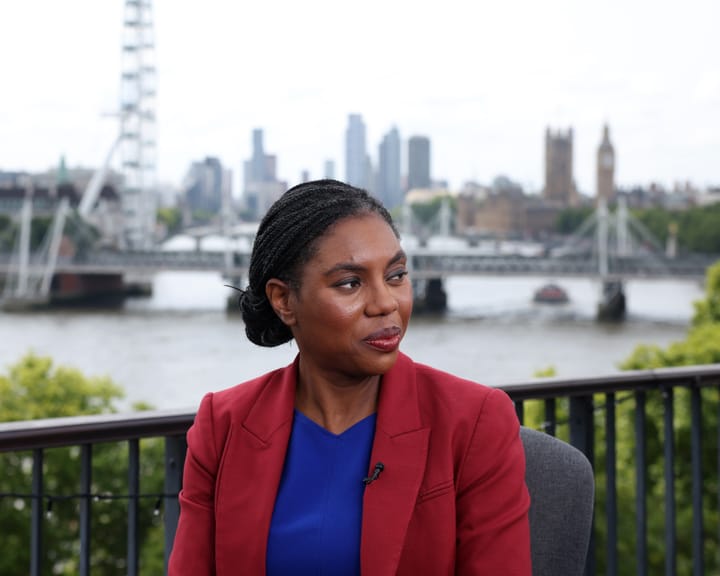
Badenoch returns to Conservative conference, markedly stronger than a year ago
A year ago, Tory MPs feared a fresh leadership revolt against Kemi Badenoch as Tories hit historic 14-16% support; November, after 12 months, was hushed: decisive challenge month. Yet, despite poor polls, “Keminisation” saw her impose style and authority.
More in Common’s Luke Tryl, director, said Badenoch holds
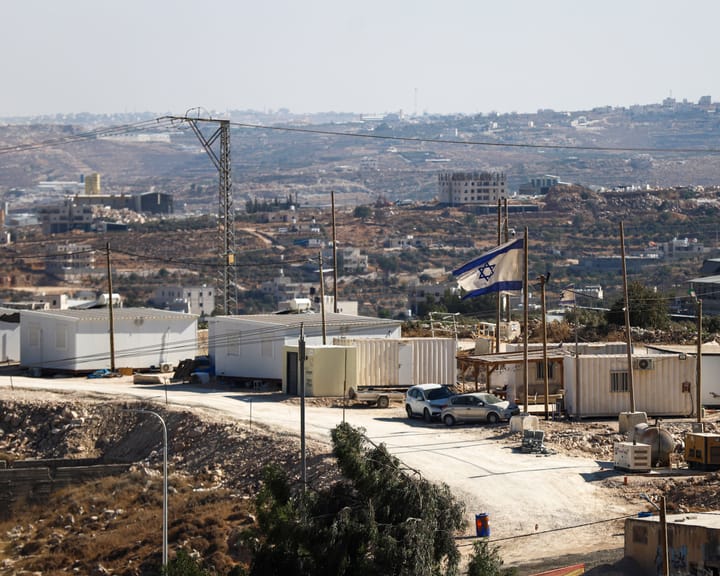
UK sanctions plan on illegal Israeli settlements faces criticism from US, Israel and British MPs
Today, with the agreement of Prime Minister Netanyahu, Israeli officials announced a series of countermeasures in response to new sanctions declared by the British foreign secretary of the Labour government, following a sequence of anti-Israel decisions by the same administration.
The accusations leveled today by the Labour foreign secretary,
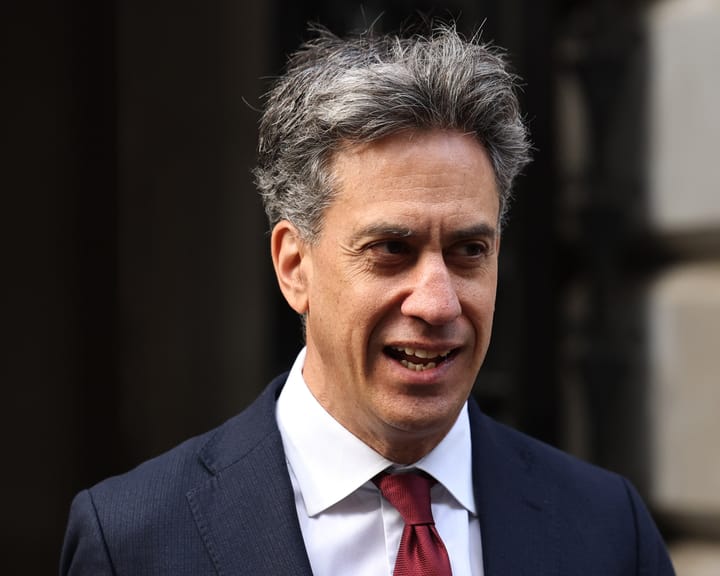
UK announces trade ban on Israeli settlements as tougher stance
Ed Miliband will announce a broad reset of the UK’s relations with Israel on Tuesday, pledging a more active stance in support of the Palestinian cause. In an intervention drawing fierce criticism from the US and Israel, the foreign secretary will impose a ban on trade in goods and