

A truck roared through the streets of Montpellier, drawing both boos and applause from onlookers as it passed. On its sides were displayed various legislative measures opposed by the far-right National Rally (RN), ranging from initiatives combating domestic and sexual violence to providing meals and school supplies for children in need.
This was part of a grassroots movement that has emerged alongside France's swift approach towards snap parliamentary elections, potentially allowing Marine Le Pen's anti-immigrant party to form a government—a historic first for the country.
"We are deeply rooted and have shaped who we are," said Akli Alliouat, one of the organizers behind the Montpellier truck. "It's hard for me to accept that France is headed towards discrimination."
After RN becoming the most voted-for party in the first round of elections, Alliouat and around 70 others from the city quickly organized efforts after realizing their country was heading towards a divisive future. They identified key constituencies where the race had been tight and mobilized accordingly.
"This situation is very serious," said Alliouat, who leads Kaina TV, an association in Montpellier promoting culture and inclusion and tackling discrimination. "These moments often awaken people."
The urgency of the situation became evident as France held snap elections, with 250,000 people taking to streets nationwide to voice their opposition against RN's rise. Grassroots groups had been working tirelessly prior to this point; from Finistère in western Brittany to Marseille, volunteers engaged in a range of activities—from door-knocking campaigns to social media outreach and public awareness events.
The RN's advancements were accompanied by troubling incidents as well. A 19-year-old man was attacked while walking home late at night, being assaulted and humiliated based on his Arabic background—a harrowing reminder of the growing hostility in some parts of society.
As the election drew nearer, a letter signed by over 100 lawyers warned that "for the first time since World War II, the far right is close to gaining power in France." Their appeal for action came amid an uptick in reported hate crimes against minorities.
In Montpellier, Akli Alliouat reflected on the concerning increase of such attacks and expressed his apprehensions: "These are the things we're witnessing now—it's my fear that this isn't reflective of France as I know it."
Read next
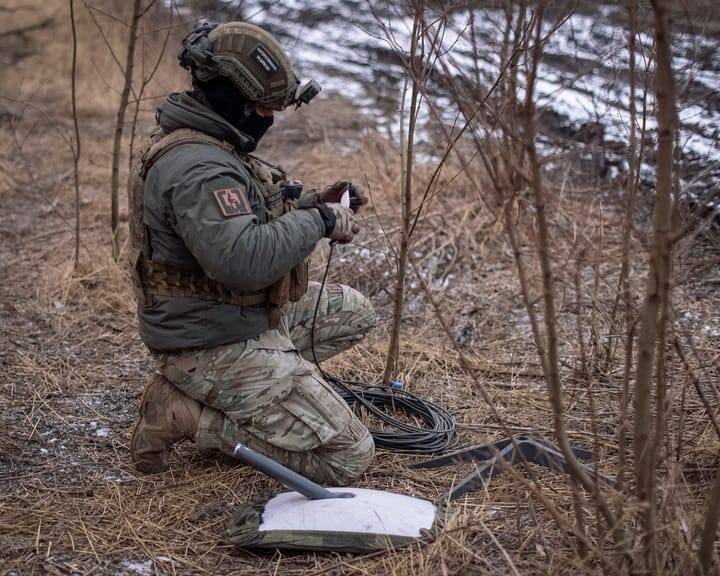
Ukrainian combat troops gain restricted access to Starlink satellite internet
Ukrainian soldiers experienced a sudden disruption in their access to Starlink satellite internet terminals amid increased pressure from the Trump administration for Ukraine to cease long-range attacks on Russia’s oil infrastructure. These terminals, managed by Elon Musk’s SpaceX, are vital for Ukraine's military operations. The

Russia's latest Ukraine attacks show 'disrespect' towards US, says Zelenskyy — Europe live
Sikorski Confronts Musk Over Starlink in Ukraine
Poland’s Foreign Minister Radosław Sikorski recently addressed Elon Musk on X, questioning reported restrictions on Starlink services in Ukraine. Poland contributes significantly to Ukraine’s funding of Starlink, which is crucial for maintaining internet connectivity in Kyiv and its military operations, with

"Breaking Stigma: Nikita Jager's Triumph in Civil Rape Case Against Conor McGregor"
Nikita Hand faced a challenging decision when considering a civil case against Conor McGregor following a 2018 assault. Despite her personal reservations about being an "imperfect victim" due to alcohol and drug use on the night of the incident, she chose to proceed. This decision stemmed from her