
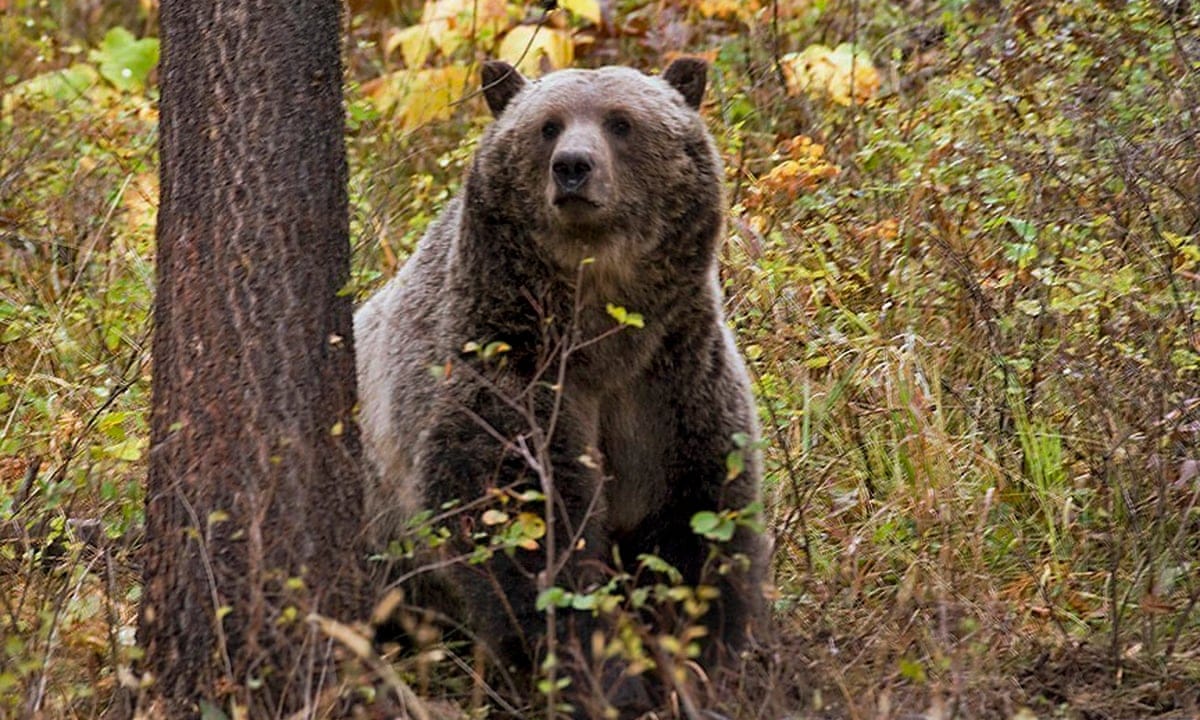
The Canadian province of Alberta has reversed its longstanding prohibition on hunting grizzly bears, sparking concern among conservationists amid ongoing debates about the survival of this vulnerable species.
Historically, the population of grizzly bears in Alberta had seen a sharp decline from thousands to an estimated 850-973 due to intensive hunting, agricultural expansion, and urbanization by the mid-2000s. The government declared them as threatened in 2010.
On June 17th, Alberta amended its Wildlife Act, reintroducing permits for hunting bears identified as problematic individuals involved in human conflicts or livestock incidents since the policy's original implementation.
Wildlife photographer John Marriott expressed disbelief on social media about this development, pointing out that a threatened species is once again open to being hunted. The provincial government defended their decision as a protective measure for residents, citing instances of bear-related human injuries and livestock damage since 2005. However, the exact role played by grizzly bears in such incidents was not specified.
Conservationist Nicholas Scapillati criticized this reversal, stating that there had been no consultations with biologists or conservation groups. He argued it undermines Alberta's recovery plan for the species and questioned the process by which hunters would be selected to address bear-related issues.
Under the new guidelines, designated individuals could hunt a problematic grizzly under strict time constraints and in areas where hunting is already allowed. Scapillati criticized this approach as potentially attracting an unsavory group of people seeking such opportunities. He emphasized that the decision demonstrated a lack of respect for both the bears and conservationists working towards their recovery, with wider implications for species protection globally.
Read next
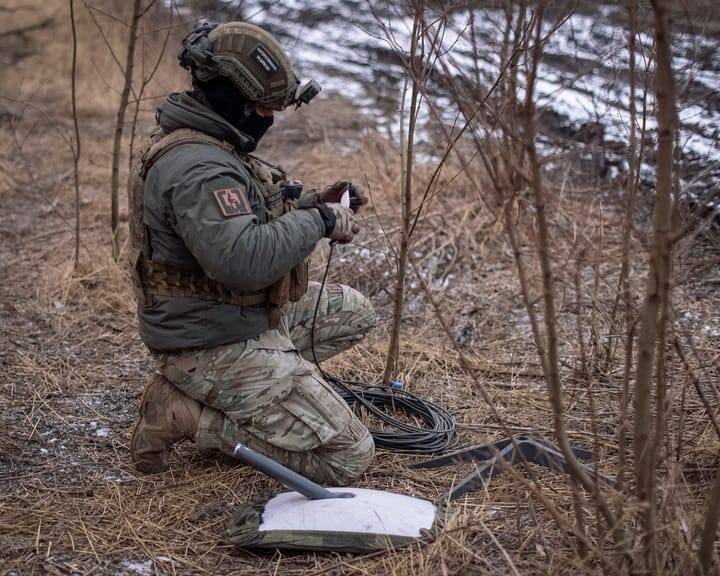
Ukrainian combat troops gain restricted access to Starlink satellite internet
Ukrainian soldiers experienced a sudden disruption in their access to Starlink satellite internet terminals amid increased pressure from the Trump administration for Ukraine to cease long-range attacks on Russia’s oil infrastructure. These terminals, managed by Elon Musk’s SpaceX, are vital for Ukraine's military operations. The

Russia's latest Ukraine attacks show 'disrespect' towards US, says Zelenskyy — Europe live
Sikorski Confronts Musk Over Starlink in Ukraine
Poland’s Foreign Minister Radosław Sikorski recently addressed Elon Musk on X, questioning reported restrictions on Starlink services in Ukraine. Poland contributes significantly to Ukraine’s funding of Starlink, which is crucial for maintaining internet connectivity in Kyiv and its military operations, with

"Breaking Stigma: Nikita Jager's Triumph in Civil Rape Case Against Conor McGregor"
Nikita Hand faced a challenging decision when considering a civil case against Conor McGregor following a 2018 assault. Despite her personal reservations about being an "imperfect victim" due to alcohol and drug use on the night of the incident, she chose to proceed. This decision stemmed from her