
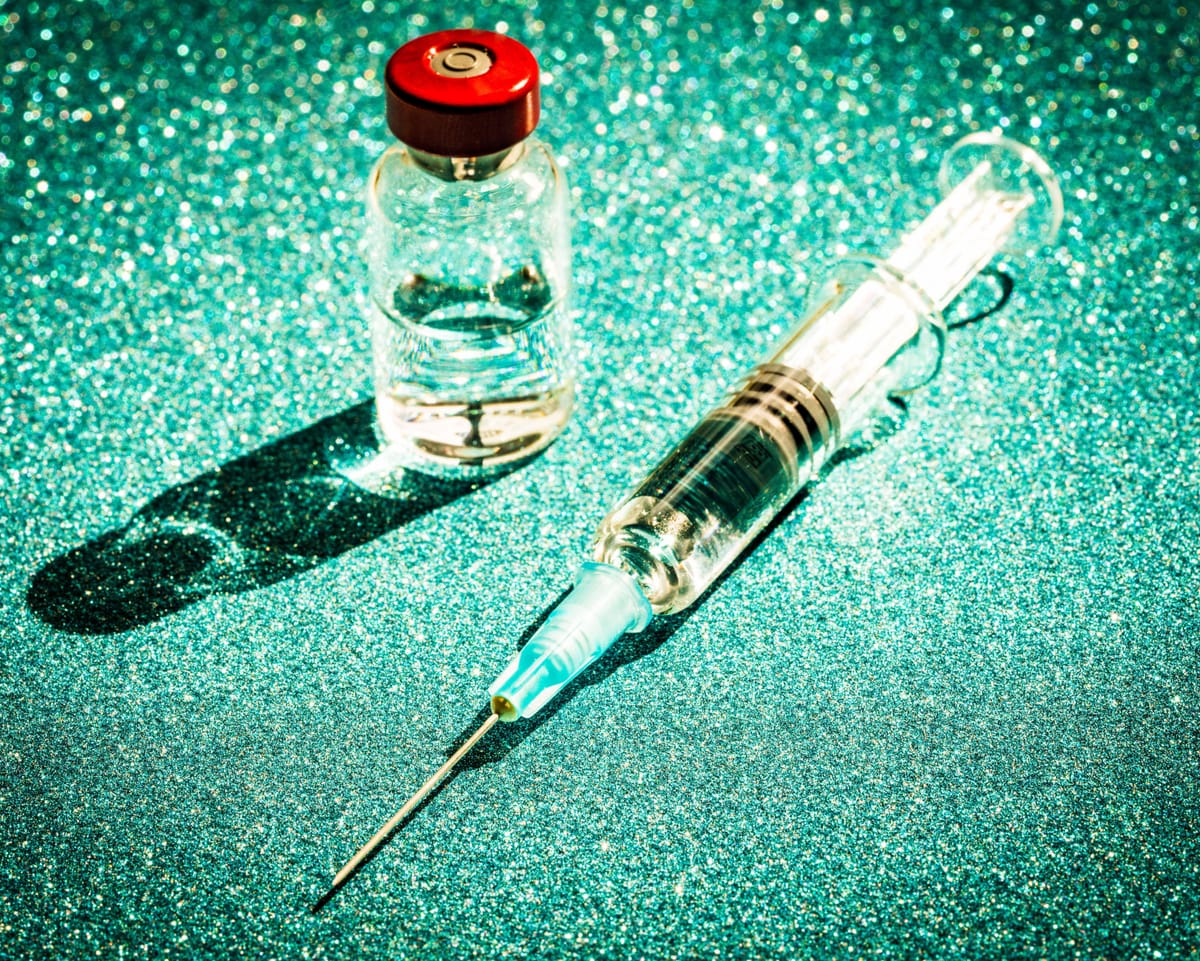
Guinea-Bissau has not given approval for a contentious hepatitis B study involving newborns, which was to be funded by the US government and private partners, according to the country's health minister on Tuesday.
The proposed study, which would not evaluate vaccine safety or effectiveness but would monitor "nonspecific" health outcomes such as overall mortality or neurodevelopmental conditions, has been supported by Robert F. Kennedy Jr., a senior official at the US Department of Health and Human Services and known for his anti-vaccine activism.
Reports indicated that a Danish research ethics committee was informed that Guinea-Bissau officials had approved an updated study design, influencing the committee's decision to proceed. However, Guinea-Bissau's health ministry did not authorize the trial, as stated by Health Minister Quinhin Nantote in Portuguese at a press briefing, referring to the study as "tests."
"The ministry did not authorize the tests under the terms presented in the publications currently in circulation," Nantote said. The health ministry expressed surprise at media reports claiming the country had approved the study.
Nantote emphasized that scientific research involving humans, particularly children, must adhere to national and international ethical standards and receive proper evaluation and approval. He made these remarks following an emergency meeting with local health organizations and committees.
The Bandim Health Project, led by Danish researchers Peter Aaby and Christine Stabell Benn, has been under scrutiny. Kennedy has praised their research, which he claims reveals hidden adverse effects post-vaccination.
Aaby, Stabell Benn, and Frederik Schaltz-Buchholzer did not respond to inquiries about why the Danish ethics committee was informed of local approval and why the study was not conducted in Denmark. In Denmark, hepatitis B vaccination is not administered to infants born to hepatitis B-negative parents due to low incidence and robust healthcare, making it a suitable location for such research.
Experts have criticized the proposed study in Africa as unethical and neo-colonialist. Colette Delawalla, a researcher and CEO of Stand Up for Science, highlighted the importance of respecting Guinea-Bissau's sovereignty. She noted that immunizing all newborns in Guinea-Bissau with hepatitis B vaccines could be done for approximately $13,200 annually through UNICEF and Gavi.
It remains unclear if the US intends to proceed with the study after the CDC allocated $1.6 million for its funding, to be matched by private donors. The HHS stated that the study has not been approved and has not responded to further inquiries.
The Danish ethics committee faced resignations after fast-tracking approval, requiring rule changes to accommodate the trial. Participants would include 14,000 newborns, half of whom would receive the vaccine, while the other half would not, for six weeks. Hepatitis B is prevalent in Guinea-Bissau, and infection in children can lead to severe lifelong consequences.
Following a military coup in November, Guinea-Bissau's transitional government sought an expert team from the Africa CDC to evaluate the study, which was subsequently suspended. Foreign Minister João Bernardo Vieira also stated that the research would not proceed.
Read next
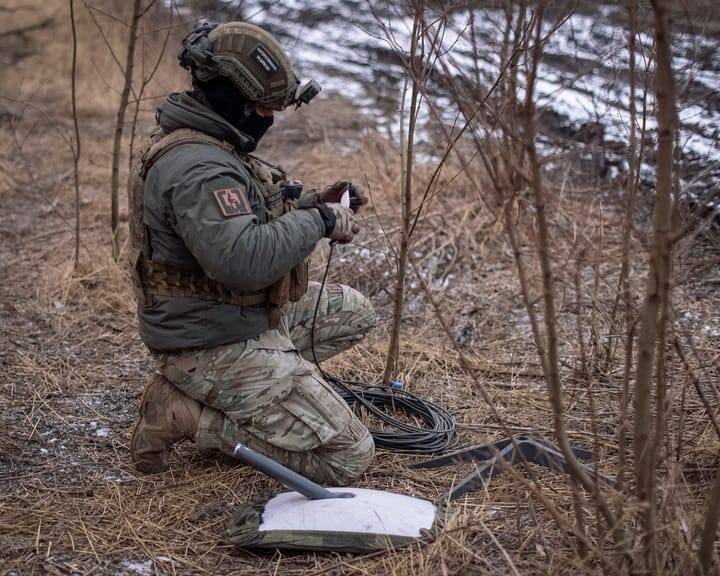
Ukrainian combat troops gain restricted access to Starlink satellite internet
Ukrainian soldiers experienced a sudden disruption in their access to Starlink satellite internet terminals amid increased pressure from the Trump administration for Ukraine to cease long-range attacks on Russia’s oil infrastructure. These terminals, managed by Elon Musk’s SpaceX, are vital for Ukraine's military operations. The

Russia's latest Ukraine attacks show 'disrespect' towards US, says Zelenskyy — Europe live
Sikorski Confronts Musk Over Starlink in Ukraine
Poland’s Foreign Minister Radosław Sikorski recently addressed Elon Musk on X, questioning reported restrictions on Starlink services in Ukraine. Poland contributes significantly to Ukraine’s funding of Starlink, which is crucial for maintaining internet connectivity in Kyiv and its military operations, with
"Breaking Stigma: Nikita Jager's Triumph in Civil Rape Case Against Conor McGregor"
Nikita Hand faced a challenging decision when considering a civil case against Conor McGregor following a 2018 assault. Despite her personal reservations about being an "imperfect victim" due to alcohol and drug use on the night of the incident, she chose to proceed. This decision stemmed from her