

Israelis and Palestinians Mark Ceasefire as Deal Takes Shape
On Thursday evening, Israelis and Palestinians observed a significant development as Hamas and Israel’s government moved forward with a ceasefire agreement aimed at halting a violent two-year conflict that has claimed tens of thousands of lives, disrupted regional stability, and sparked global demonstrations.
In Gaza, reactions were mixed. While some gathered in celebration, many voiced concerns over whether the agreement would last, fearing further hardship in the already ravaged area. Despite scattered gatherings with singing and dancing, witnesses in other locations reported subdued reactions, with the sounds of aircraft overhead adding tension.
In Israel, a day filled with rapid and occasionally chaotic events saw hospitals preparing for the return of captives held by Hamas, the government finalizing the ceasefire terms, and large crowds in Tel Aviv expressing relief.
Late Thursday, an official statement from the Israeli government confirmed the approval of a plan “for the return of all captives—those alive and those who have died.”
Indirect talks between Hamas and Israel, held in Egypt’s Sharm el-Sheikh, gained urgency last week following an international push for de-escalation. A foreign leader indicated plans to attend the agreement’s signing in Egypt, while Israeli officials suggested a visit could occur on Sunday.
The same leader stated that approximately 48 hostages held by Hamas—fewer than half believed to be alive—would be freed early next week, declaring that the agreement marked “the end of hostilities in Gaza.”
Additionally, reports confirmed that a foreign contingent of around 200 personnel would arrive in Israel to assist with the ceasefire process.
Global figures quickly praised the progress, though key elements of the broader diplomatic efforts remain under discussion, with no full endorsement from either Hamas or Israel.
Details regarding the initial phase of the deal remained unclear, mirroring broader uncertainties about its implementation. Israel’s prime minister’s office stated that the ceasefire would begin upon government approval, while another spokesperson suggested it would take effect within 24 hours of a cabinet decision, with living captives released within 72 hours afterward.
An Israeli official noted that the country’s military would reposition to a specified line in Gaza, maintaining control over 53% of the territory. In return, Israel is expected to release around 2,000 Palestinian detainees, though a prominent figure from a rival faction would remain in custody.
Read next

Teen's Mountaineering Attempt with Claude Ends in Emergency Rescue in Canadian Mountains
The Widowmaker Arete, a towering 1,700-foot wall in British Columbia, is misleadingly labeled as featuring "mostly easy slab climbing" with "short steep sections" including "finger cracks" and "blocky face climbing." Climbing it necessitates meticulous planning and the appropriate gear.
Last
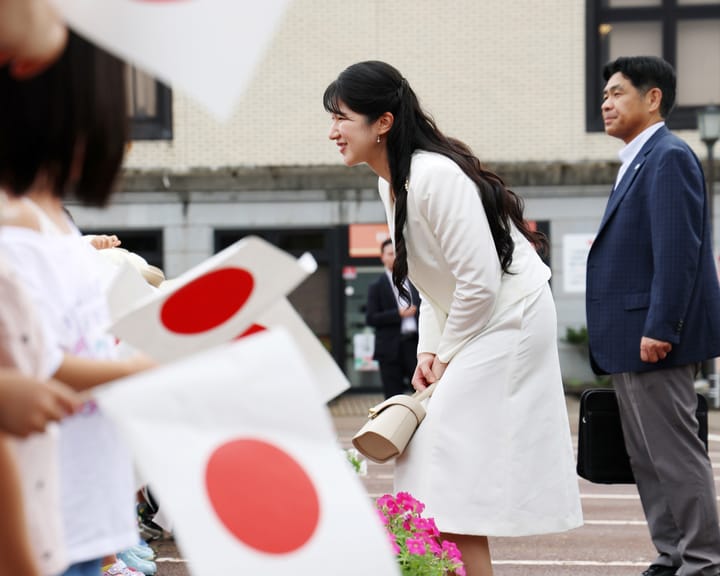
Fading Royal Line: Growing Advocacy for Princess Aiko to Ascend Japan’s Throne
Princess Aiko, 24, is a prominent figure in Japan, often featured on magazine covers and sought after by fans for her fashion sense. Her public appearances draw large crowds eager to see her, admired for her elegance and presence. Despite her popularity, she is barred by law from becoming empress,
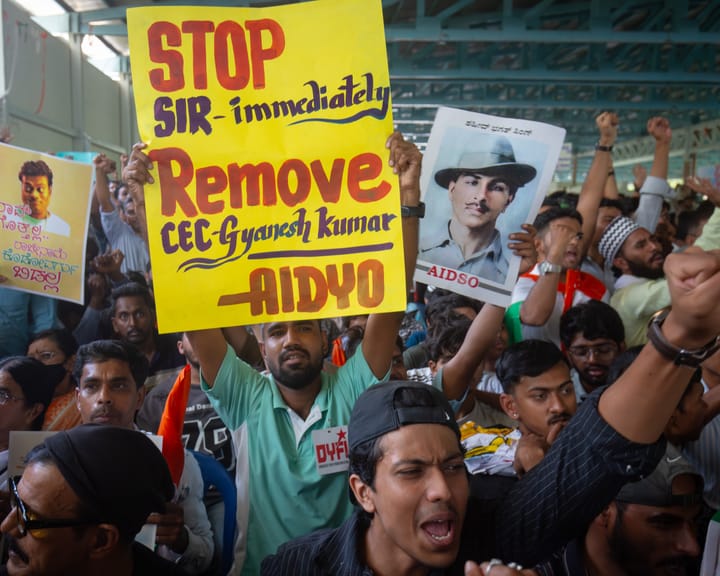
India's 'Cockroach' Party Accuses Government of Detaining Members Before Weekend Protest
India’s Cockroach Janta Party (CJP), initially a satirical movement, is now gaining political traction among Gen Z as it faces mass detentions ahead of a major anti-government protest in Delhi. The opposition, alongside student groups and the CJP, has been organizing nearly daily protests, demanding the resignation of