
In one interpretation of the Conservative Party's electoral successes, its last three victorious leaders—John Major, David Cameron, and Boris Johnson—each entered Downing Street promoting unity and broad-based principles.
However, this year's gathering of Conservative members has been defined by tougher language on asylum policies and increased alignment with Nigel Farage’s political stance, a shift away from the party’s traditionally inclusive approach.
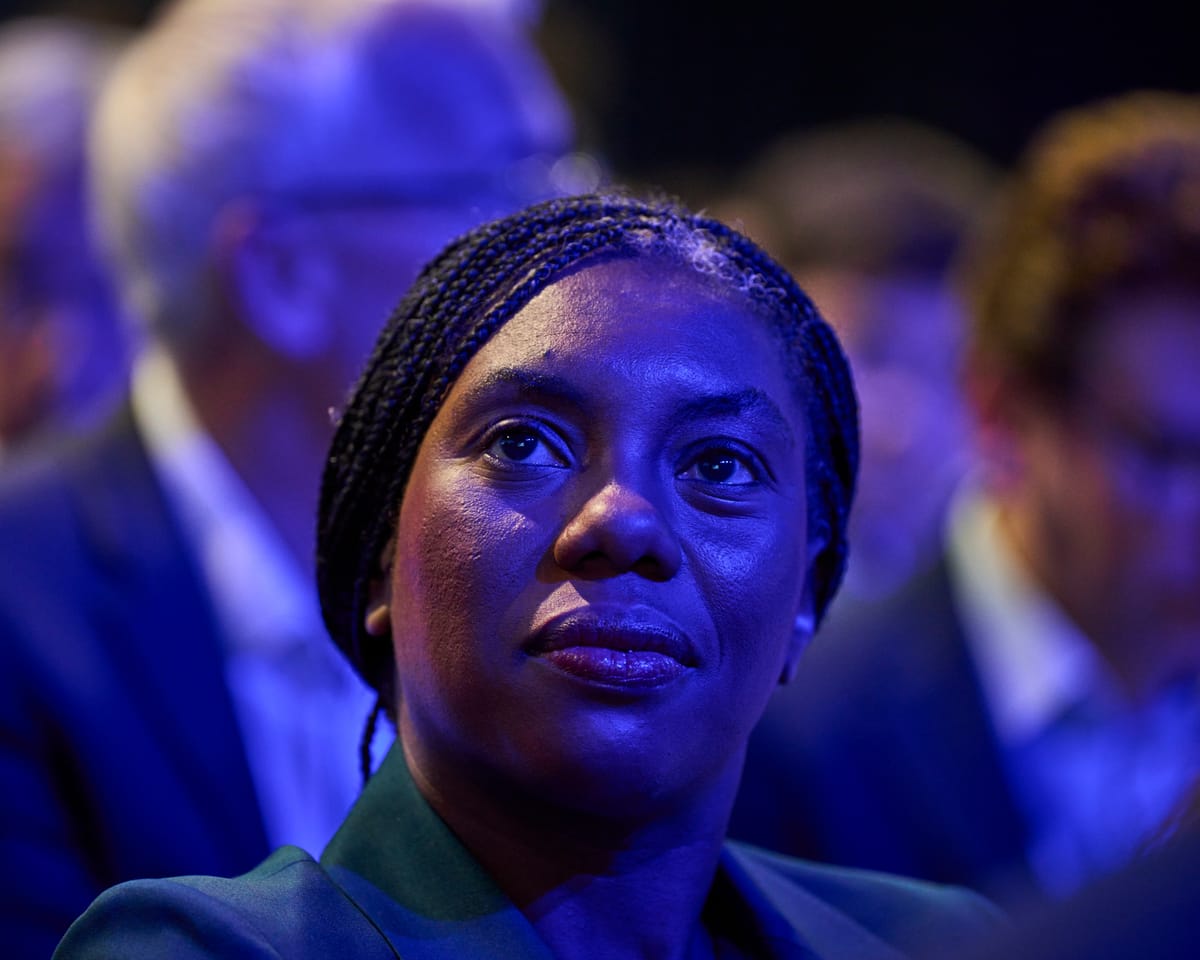
Kemi Badenoch began the conference in Manchester by proposing the UK’s withdrawal from the European Convention on Human Rights, a stance that would have been contentious within the party in previous years but now has widespread support among Conservative lawmakers.
She has also pledged to abandon the UK’s 2050 net zero target, breaking with longstanding cross-party agreement on climate policy.
These moves have led some insiders to question whether Badenoch’s leadership—and the rightward shift influenced by figures like Robert Jenrick—marks the end of one-nation Conservatism.
Supporters of this view note that the parliamentary One Nation group has been quietly dissolved. One lawmaker recalled an unsuccessful effort to revive it after the election. Following Labour’s victory, members decided against continuing the group. “There was a sense that we should avoid divisions and focus on unity,” another attending MP said.
Damian Green, the former deputy prime minister who led the group before the 2024 election, explained that Badenoch urged MPs to end factional divisions that had weakened past governments.
“Losing 250 seats hasn’t drastically altered the ideological balance of the party—it remains as varied as before,” he said.
Several new MPs, including Harriet Cross, Neil Shastri-Hurst, and Joe Robertson, are viewed as inheriting the one-nation legacy. Some still gather informally through the longstanding One Nation dining club, chaired by Simon Hoare. Originally established in the 1950s by figures such as Ted Heath, the group maintains loose influence.
Yet even regular attendees, like former deputy foreign secretary Andrew Mitchell, have backed Badenoch’s stricter immigration policies at the conference. Others note that Tom Tugendhat, a prominent centrist, endorsed leaving the ECHR during his leadership campaign last year.
Mitchell argued that centrists recognize the necessity of stronger migration measures. “We must develop effective policy in a transparent way, without deferring to Nigel Farage,” he said.
An influential opposition lawmaker added: “The ECHR stance has broad support across the party.”
Read next
Badenoch returns to Conservative conference, markedly stronger than a year ago
A year ago, Tory MPs feared a fresh leadership revolt against Kemi Badenoch as Tories hit historic 14-16% support; November, after 12 months, was hushed: decisive challenge month. Yet, despite poor polls, “Keminisation” saw her impose style and authority.
More in Common’s Luke Tryl, director, said Badenoch holds

UK sanctions plan on illegal Israeli settlements faces criticism from US, Israel and British MPs
Today, with the agreement of Prime Minister Netanyahu, Israeli officials announced a series of countermeasures in response to new sanctions declared by the British foreign secretary of the Labour government, following a sequence of anti-Israel decisions by the same administration.
The accusations leveled today by the Labour foreign secretary,
UK announces trade ban on Israeli settlements as tougher stance
Ed Miliband will announce a broad reset of the UK’s relations with Israel on Tuesday, pledging a more active stance in support of the Palestinian cause. In an intervention drawing fierce criticism from the US and Israel, the foreign secretary will impose a ban on trade in goods and