
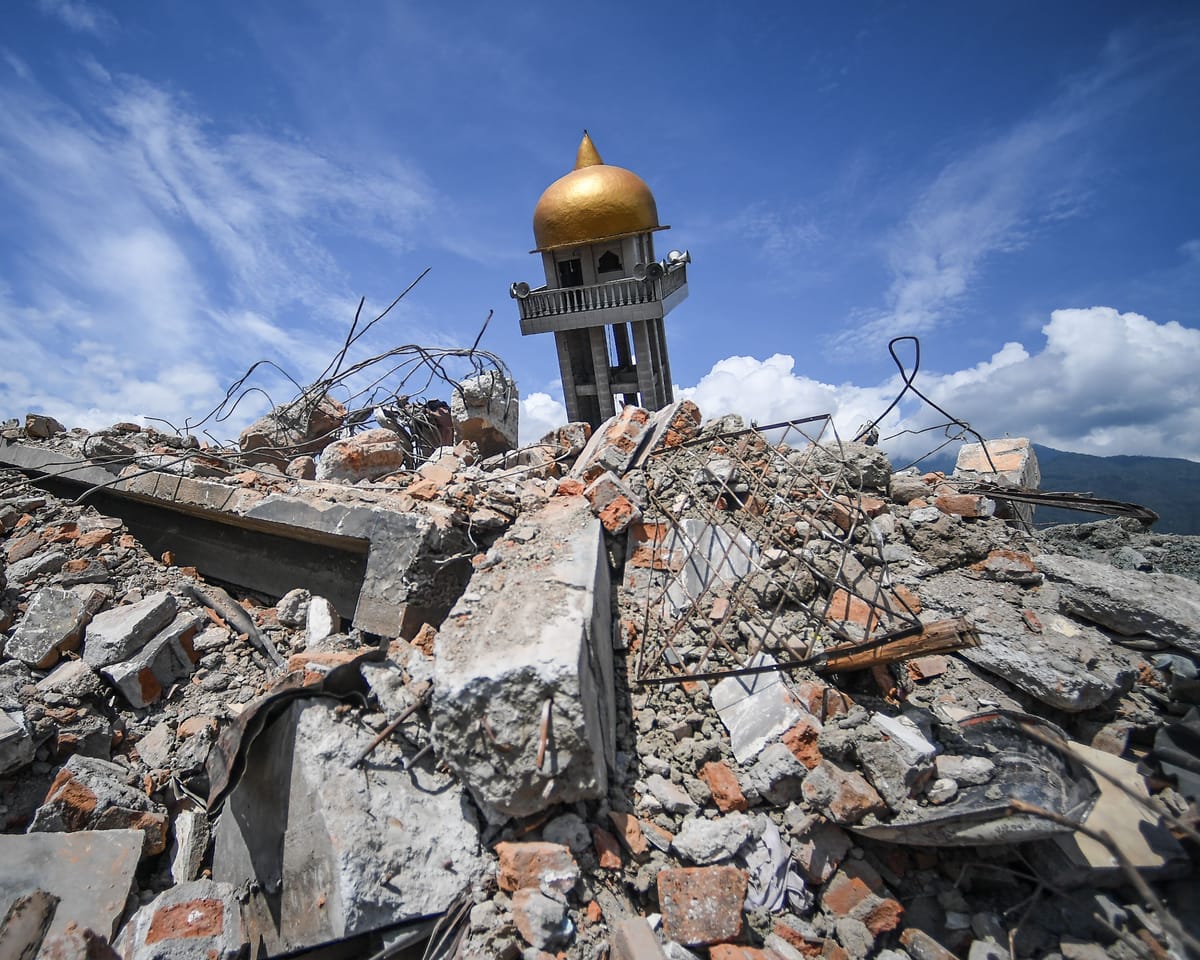
Scientists in earthquake-prone Indonesia are exploring an innovative early warning system by integrating mosques into their network of alarms to reach remote communities. This initiative involves a five-year trial to determine if mosque loudspeakers, traditionally used for the call to prayer, can also serve as earthquake alarms.
Dr. Inoue Hiroshi, the project lead from Kyoto University in Japan, initiated this idea during his research on deadly earthquakes in Sumatra nearly two decades ago. He envisions a system similar to Japan's, which could significantly reduce casualties, as seen in the 2009 Sumatra quake that claimed over 1,000 lives.
Indonesia's disaster agency faces challenges with its vast geography and remote areas. However, it benefits from a well-maintained network of mosque loudspeakers, a resource not commonly available elsewhere. With the world's largest Muslim population, Indonesia has numerous mosques equipped with these loudspeakers, which are already being tested in the pilot scheme.
For an effective earthquake early warning system, two critical factors are essential: a network of alarms and their reliable operation. Mosque loudspeakers are advantageous because they are pre-existing and regularly maintained by local communities, addressing the common issue of maintenance in disaster infrastructure.
While modern strategies often rely on mobile phones, these are susceptible to disruption during earthquakes. Indonesia's existing tsunami warning system, established in 2008, contrasts with this new earthquake initiative, which could be a significant advancement. Andi Eka Sakya, a senior researcher at the Indonesian government-affiliated National Research and Innovation Agency, notes the urgency, as communities near the epicenter may have only seconds to react.
Currently a prototype, the project aims to eventually issue public warnings. Running until 2030, it also explores alarm systems in school loudspeakers and broadcasts via radio and television.
Both Indonesia and Japan, situated on the Pacific Ring of Fire, frequently experience earthquakes. Researchers are examining behavioral differences in disaster response between the two countries. In Japan, the "drop and cover" strategy is prevalent, whereas in Indonesia, people often escape to open areas due to the vulnerability of unreinforced masonry buildings.
To develop guidelines suited to local conditions, project researchers are conducting simulations and human experiments. This approach is crucial as international advice may not always apply to Indonesia's building structures.
Other Muslim-majority countries are considering similar systems. For instance, the United Arab Emirates plans to incorporate mosque loudspeakers in its nuclear power plant's emergency network. Uzbekistan is also implementing a mosque loudspeaker project for alerts on natural disasters like floods and avalanches.
Read next
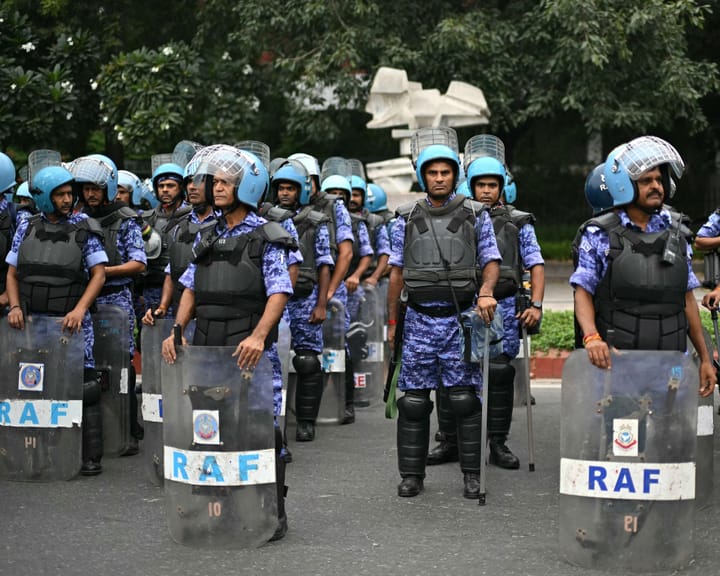
"Young Indians Rally on Streets for 'Cockroach' Party Protest as Delhi Prepares for Large Demonstration"
Police in New Delhi detained numerous protesters on Saturday as thousands of officers and paramilitary forces patrolled the capital. Metro stations were closed, and mobile internet was suspended to prevent a youth-led protest demanding the resignation of India's chief election officer.
The protest, organized by the "

Houthi Missile Strike Targets Riyadh Airport Again, Reports Say
A projectile struck a passenger terminal at Riyadh's King Khalid International Airport on Sunday, following a deadly missile attack by Yemen's Iran-backed Houthi rebels that killed 13 individuals. Terminal 4 was hit, sparking a fire and causing injuries, according to Saudi officials. Additionally, air defenses

Imran Khan's Party Laments 'Coup' Following Pakistan's Suspension of Provincial Government
Pakistan has declared a state of emergency in the north-western Khyber Pakhtunkhwa province, led by Imran Khan’s PTI party, and has suspended its government. This action has been described by a party spokesperson as a "coup disguised as emergency."
President Asif Ali Zardari announced the emergency