
Donald Trump’s effort to topple Iran’s government by force could spark a fresh surge of cost‑of‑living pressures that already‑stretched governments and central banks worldwide will find hard to manage.
The U.S.–Israel strike on the Middle Eastern nation over the weekend adds to a long list of global economic shocks.
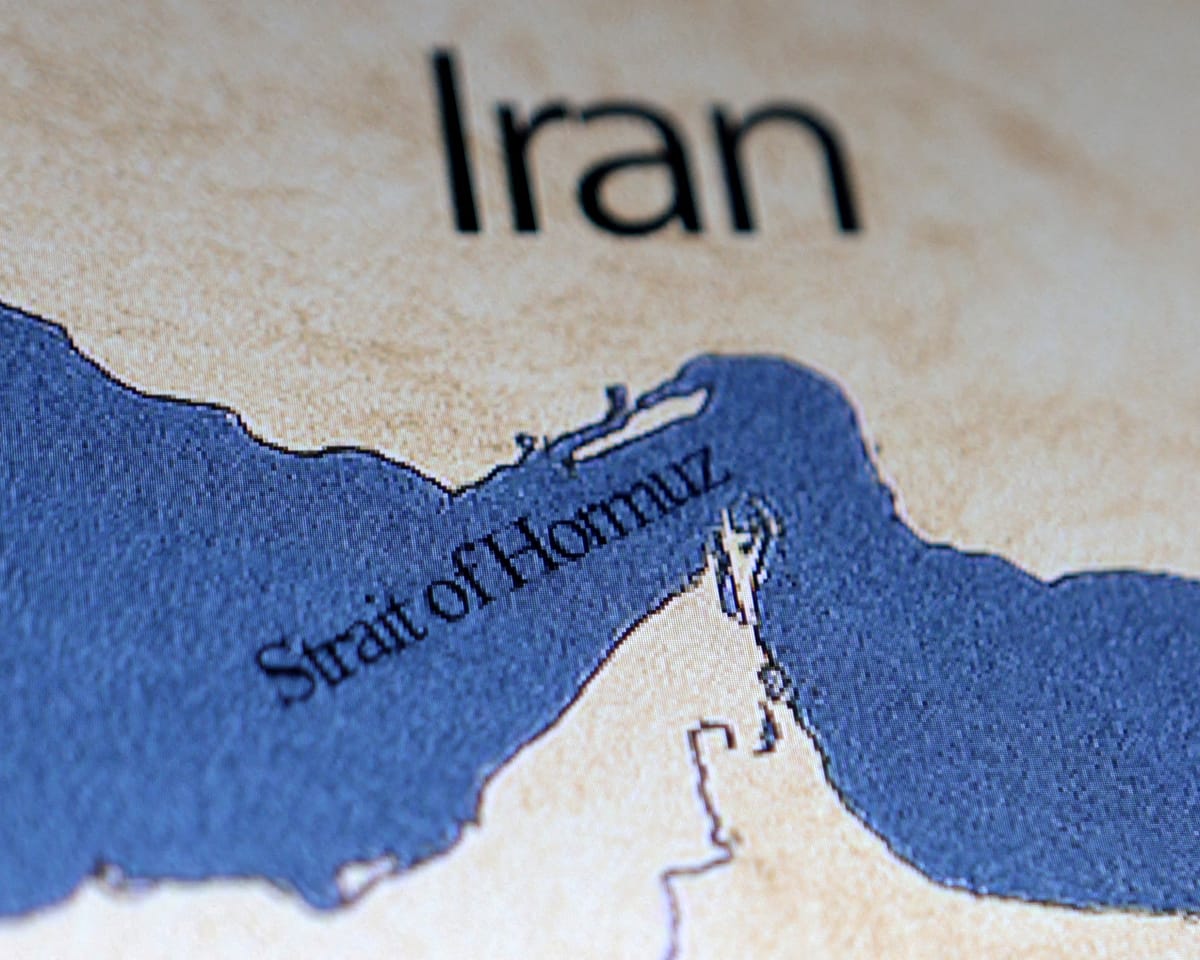
Shipping through the Strait of Hormuz – a narrow passage on Iran’s southern coast linking the Persian Gulf with the Gulf of Oman – was effectively halted after the missile attacks as firms quickly moved to curb transport.
The strait is a vital maritime corridor. About one‑fifth of the world’s seaborne oil, a similar share of global LNG shipments, and roughly a third of worldwide urea trade – the most common fertilizer – pass through it.
“Among all possible Middle‑East scenarios, the present situation is among the most damaging for the global economy,” said Joseph Capurso, head of global economics at the Commonwealth Bank of Australia.
He added, “We expect the tension to rise before it eases. Iran’s leadership and military strength have been considerably weakened, but their intention and ability to block the Strait of Hormuz – which would sharply lift oil and gas prices – remain uncertain.”
Investors, however, have so far stayed relatively calm about other possible ripple effects, reflecting a prevailing view that oil‑supply disruptions will follow recent patterns and prove short‑lived.
The international oil benchmark, Brent crude, surged as much as 13 % to US$81.57 a barrel on Monday morning – the highest level in more than a year – before slipping to just under US$77.53 by the afternoon, still 6.4 % above the previous week’s close.
Asian equity markets also recovered from steep early losses but ended the day about 1.5 % lower, while Australian shares closed modestly higher as traders moved into gold‑mining and LNG‑exporting stocks.
Despite expectations of further bombings in the days ahead, investors appeared reassured by Trump’s statement that he would be ready to lift sanctions on Iran if the new leadership proved “pragmatic”.
Nevertheless, analysts continue to consider worst‑case outcomes, including a total shutdown of the shipping lane.
UBS analysts told clients on Monday: “While a complete physical closure of Hormuz would be difficult, Iran could try to disrupt traffic and persuade shipping firms and insurers to avoid the route. We could see a material interruption, potentially larger than the loss of Russian supply in 2022, which pushed spot prices above US$120 per barrel.”
They also noted that Iran’s economy relies heavily on petrodollars, so “as long as Iranian oil exports continue, the chance of a full closure or attacks on regional energy infrastructure seems lower, in our view, except as a last resort.”
Read next
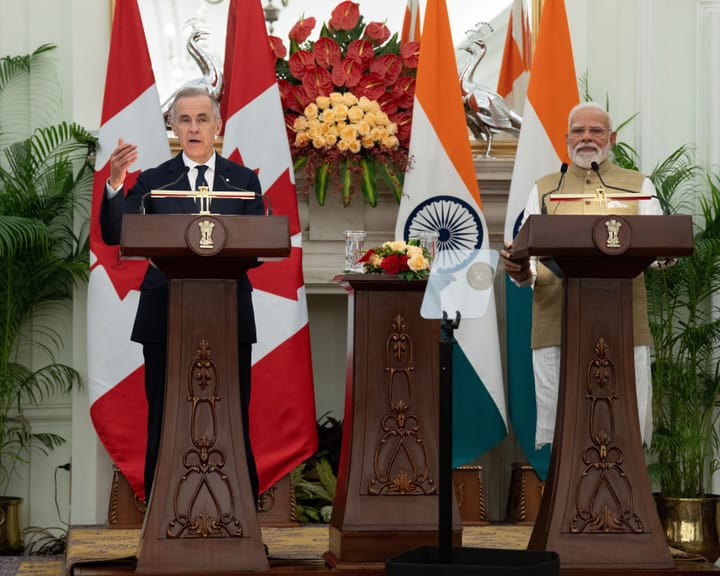
Carney faces calls to confront Indian interference claims after meeting with Modi
Mark Carney faces growing scrutiny over whether he thinks Indian meddling in Canada still poses a danger after his meeting with Narendra Modi, India’s prime minister, whose administration is alleged to have arranged the killing of a Canadian citizen.
“We are one family,” the Canadian prime minister said from
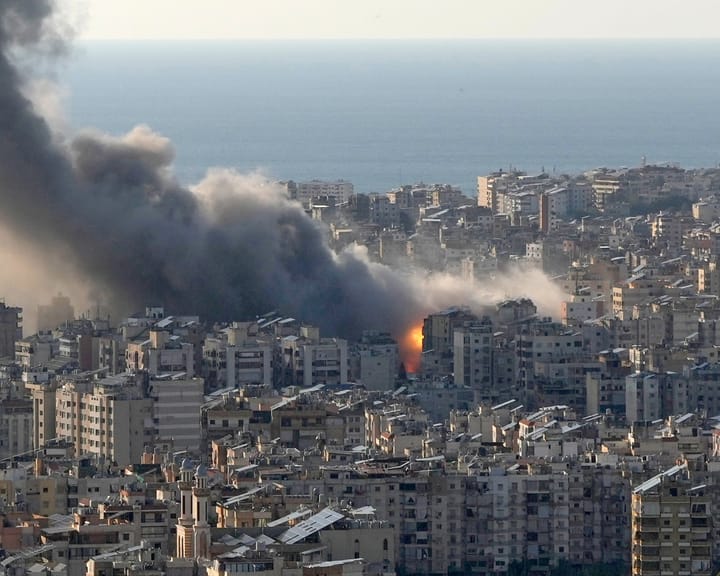
US and Israel's campaign against Iran spreads dramatically throughout the Middle East
The conflict in the Middle East, sparked by a combined US‑Israeli strike on Iran, widened sharply on Monday, with casualties and damage reported in at least nine nations within ten hours.
Israeli and American aircraft carried out a new series of bombings over Iran, where the Iranian Red Crescent
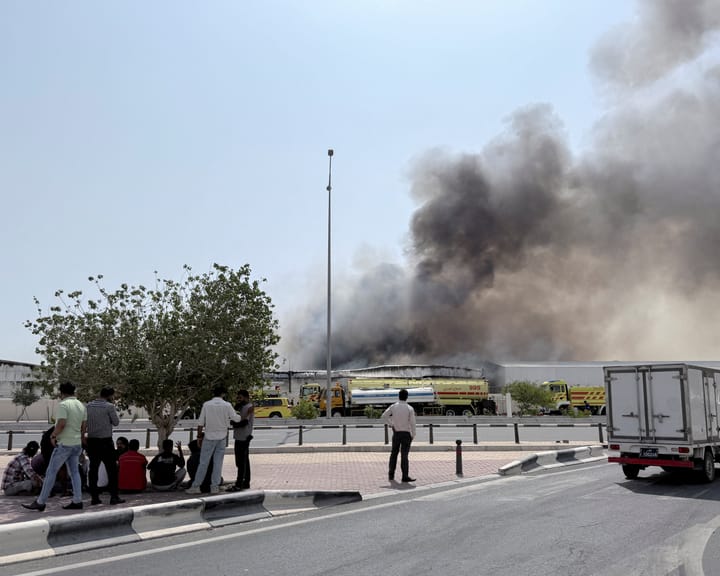
Gulf Nations Near Action Against Iran Over “Reckless” Regional Strikes
Gulf states, emboldened by Donald Trump, are close to abandoning their neutrality in the conflict with Iran as retaliation for Tehran’s repeated “reckless and indiscriminate attacks” on their land and infrastructure.
The appeal, spearheaded by the United Arab Emirates within the six‑nation Gulf Cooperation Council, urges the Arab