
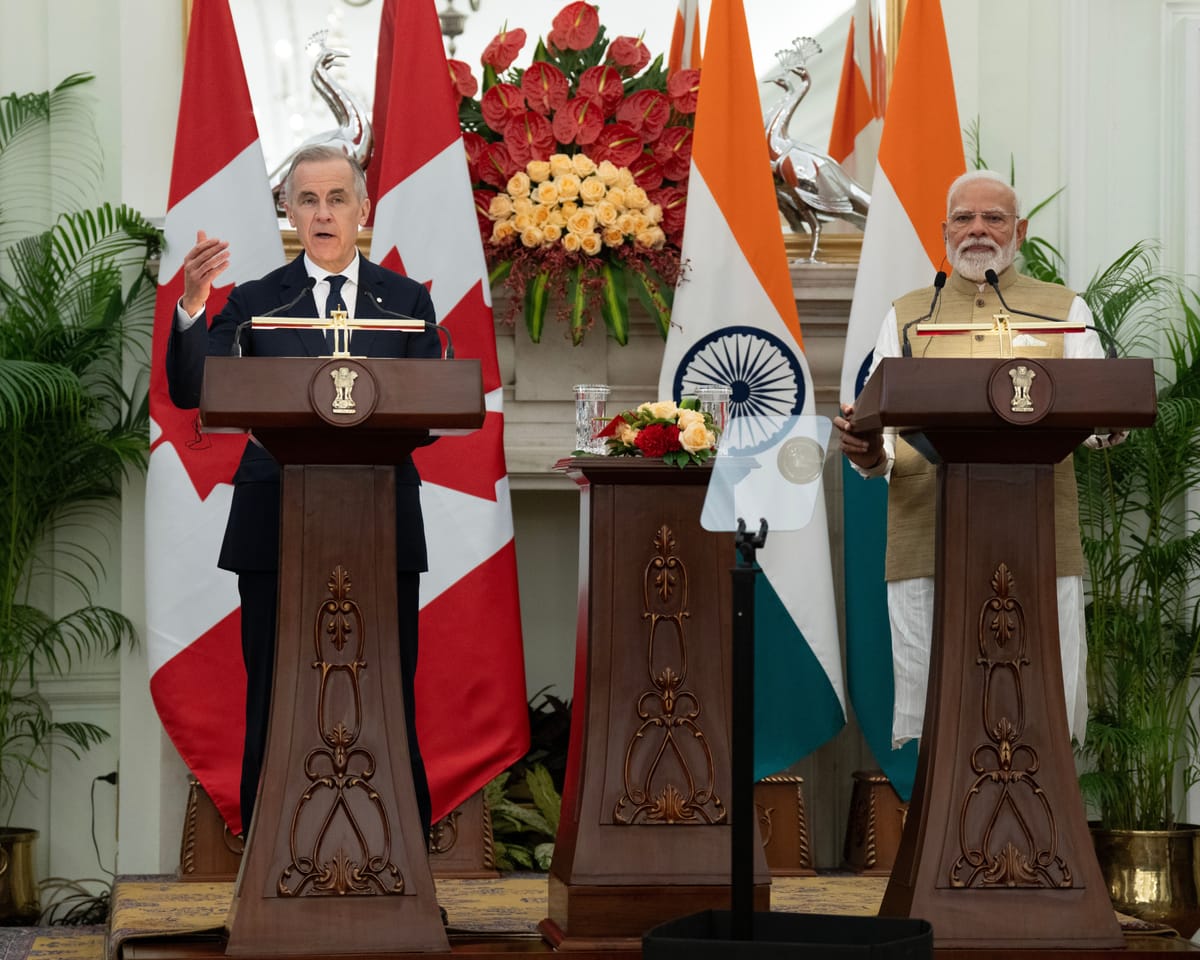
Mark Carney faces growing scrutiny over whether he thinks Indian meddling in Canada still poses a danger after his meeting with Narendra Modi, India’s prime minister, whose administration is alleged to have arranged the killing of a Canadian citizen.
“We are one family,” the Canadian prime minister said from New Delhi on Monday, concluding a four‑day trade‑oriented visit intended to reset ties with the world’s most populous country.
Carney says he aims to secure a free‑trade pact with the world’s fifth‑largest economy by year‑end.
The two governments also signed several memoranda and a landmark C$2.6 billion uranium agreement.
Canada hopes bilateral trade with India could climb to C$70 billion by 2030.
Modi commended Carney for efforts to revive the stalled relationship and the pair announced plans to reconvene in Canada after Modi accepted Carney’s invitation.
During the trip, Carney reiterated his government’s commitment to “principled pragmatism,” noting that “not every partner will share all our values.”
A briefing after the Modi meeting said Carney “underscored that Canada will keep taking steps to combat transnational repression.” No further details were provided.
Carney’s office called off a scheduled press conference on Monday, citing the length of talks with Modi’s team and a tight travel itinerary to Australia.
The prime minister has not yet responded to reporters after a senior official last week said the government was “confident” that India’s campaign of threats and violence had ended, adding that if it had not, Carney and a high‑level delegation “wouldn’t be taking this trip.”
Canada’s foreign‑affairs minister, Anita Anand, told reporters in New Delhi that “the words of the senior official are not words that I personally would use.”
India’s envoy to Ottawa, Dinesh Patnaik, maintains that India has never carried out foreign interference in Canada.
Questions about India’s role in the 2023 killing of Sikh activist Hardeep Singh Nijjar resurfaced after reports that a staffer at the Vancouver consulate supplied information on Nijjar.
Police suspect the consular employee was also an officer of India’s external intelligence service. In June, Canada’s intelligence agency said Nijjar’s murder signaled a “significant escalation in India’s repression efforts,” reflecting a broader, transnational campaign by Delhi to threaten dissidents.
In November, the head of Canada’s spy service identified China and India as the primary sources of foreign meddling and transnational repression in Canada, and as recently as last week, police warned a prominent Sikh activist of a credible threat to his family—a threat he believes originated from India.
Read next
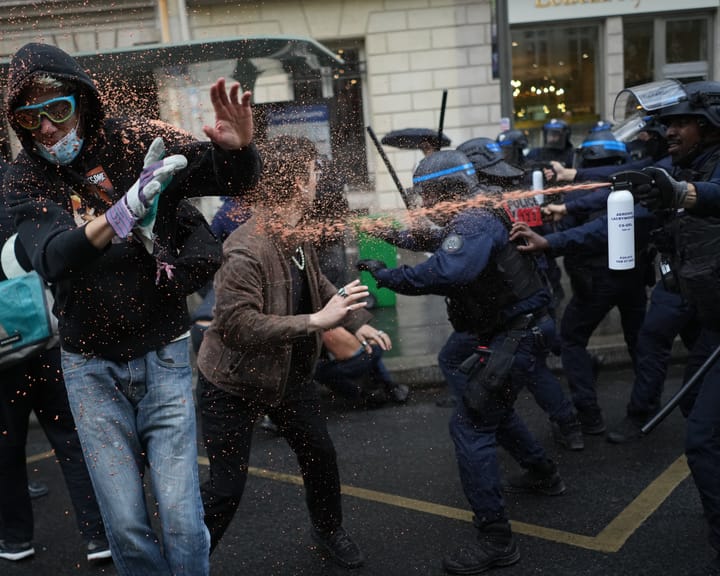
French Minister Refutes Police Brutality Claims Amid Ongoing Student Protests Across France – Europe Live
In recent developments, French Interior Minister Laurent Nuñez has refuted claims of excessive police force during the ongoing student protests in France. He emphasized that police action is only taken in response to violence or property damage. Addressing lawmakers, Nuñez described the protests as "unprecedented" due to the
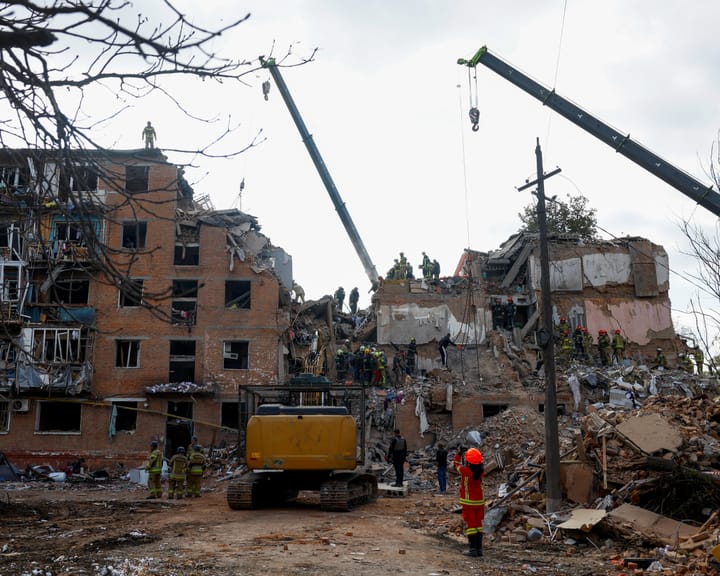
Ukraine Reports Russia Bombed Apartment Building Coinciding with Putin's Birthday
Volodymyr Zelenskyy has accused Russia's military of deliberately targeting civilians and bombing residential buildings as a grim gift for Vladimir Putin, who celebrates his 74th birthday on Wednesday.
Ukraine’s president described Russia’s overnight drone and missile strikes, which killed at least 24 people, as “despicable.” “The
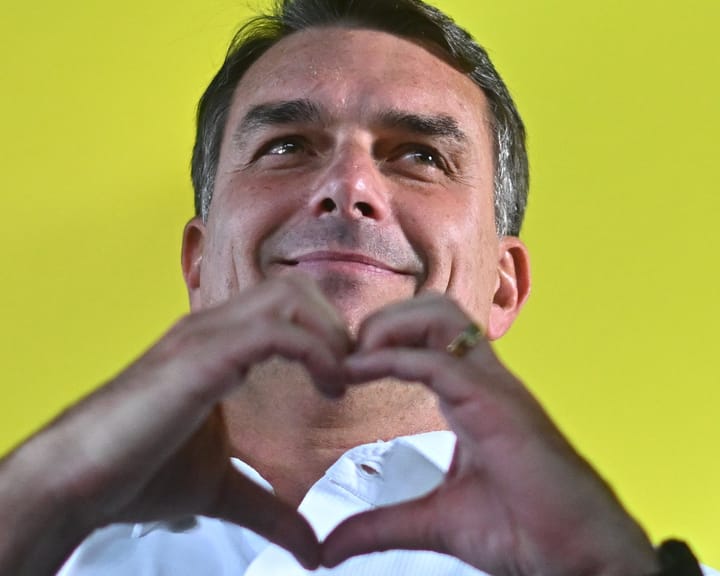
Fears of 'another coup d'état' grow as Flávio Bolsonaro vows to 're-democratise' Brazil
Flávio Bolsonaro, the leading candidate for Brazil's presidency, has promised to "re-democratise" the nation, raising concerns about potential authoritarian governance should he win. Brazil transitioned to democracy in the 1980s after a harsh 21-year dictatorship, a period lauded by Flávio's father, former