
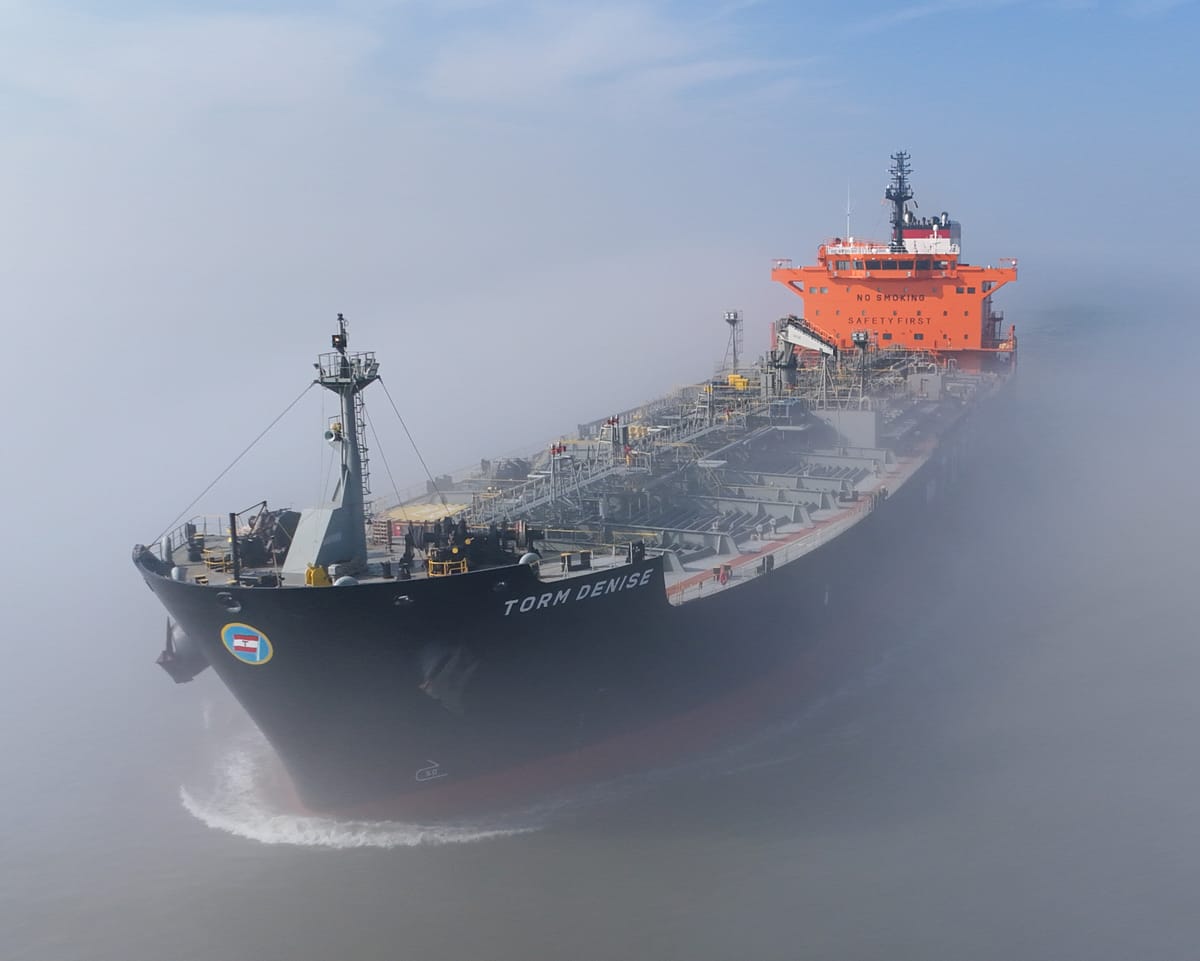
Concerns about the world economy have intensified as oil prices have surged past $100 a barrel following the US‑Israel clash with Iran.
Economists warn that a growing chance of an extended war in the key energy‑exporting zone could severely affect living standards globally, reviving fears of a fresh inflation shock.
In a climate of great uncertainty, stock markets are under strong selling pressure, consumers confront climbing costs, central banks may have to raise borrowing rates, and governments will face demands to aid households and firms.
How high could oil prices climb?
On Monday, oil traded above $119 a barrel, the strongest level since Russia’s full‑scale invasion of Ukraine in February 2022.
Analysts contend that the ongoing shutdown of the Strait of Hormuz could push prices toward $150 a barrel, surpassing the July 2008 record of $145.29.
The narrow channel along Iran’s southern coast moves roughly one‑fifth of the world’s seaborne crude and liquefied natural gas and about a third of the most common fertilizer.
Experts note that Iran’s de‑facto blockade has produced an impact 17 times greater than the April 2022 peak loss to Russian oil output after the Ukraine war, which had lifted oil to around $139 a barrel.
What follows depends on the duration of the strait’s effective closure and the capacity to reroute shipments.
Saudi Arabia has started sending crude to its Red Sea terminals, yet many exporters remain caught in bottlenecks.
Gulf oil and gas storage sites are nearing capacity, forcing the possible shutdown of large fields.
Restoring output to earlier levels would take time, deepening the energy squeeze.
Analysts suggest that a brief, intense clash that allows Hormuz shipments to resume would help temper energy prices.
Nevertheless, lingering doubts about the waterway’s safety could persist.
Capital Economics warns that a protracted conflict might keep oil above $100 a barrel for the remainder of the year.
How much could inflation be impacted?
The sharp rise in oil costs arrives at a fragile moment for the global economy.
Central banks had been approaching the end of a rate‑normalisation cycle after the most aggressive tightening in decades triggered by Russia’s invasion of Ukraine.
Further rate cuts had been expected, but specialists say the Iran confrontation could trigger the opposite—a renewed climb in borrowing costs.
The 2022 episode showed how higher energy prices and supply bottlenecks feed into consumer inflation.
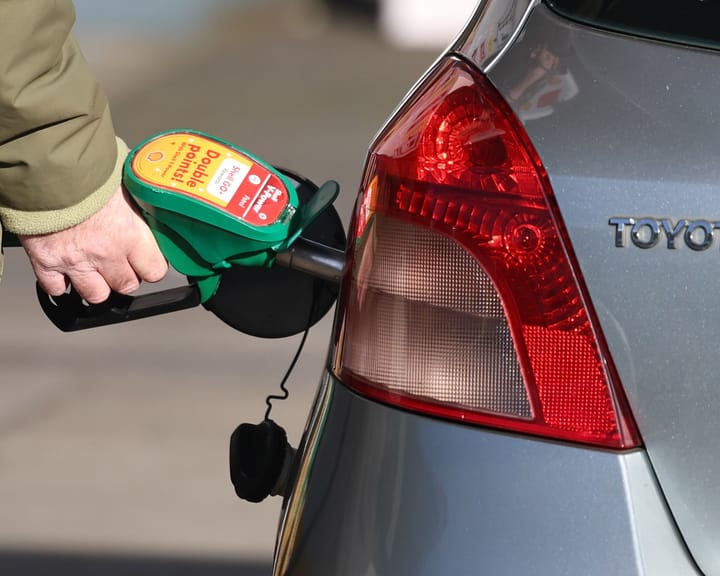
Fuel costs for drivers are already climbing, household energy bills could jump sharply, and rising business expenses will echo through worldwide supply chains.
These pressures will ultimately be transferred to consumers.
Read next

UK job market stalls as firms stay cautious on hiring
Data indicate that the UK labour market is struggling under weak recruitment demand, with only modest indications of improvement.
Two reports issued on Monday note that firms stay wary of taking on new employees because of cost pressures and economic uncertainty, underscoring the market’s continued fragility.
The monthly employment
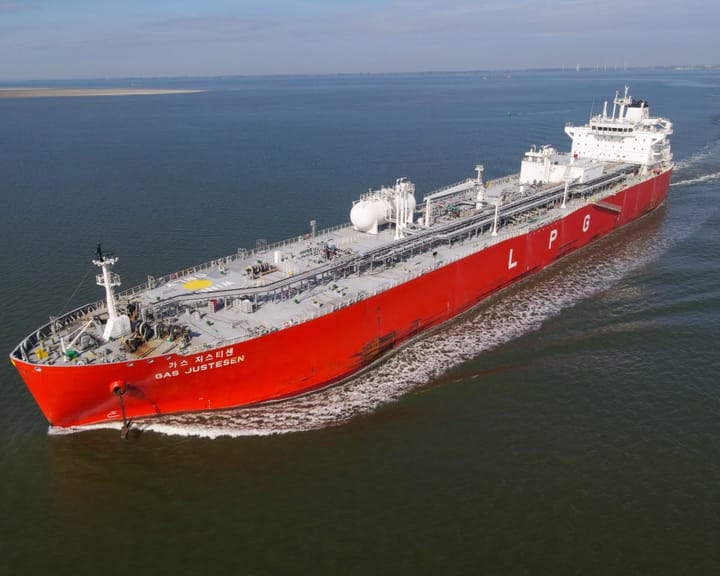
UK holds just two days of gas reserves as Iran conflict risks supply disruptions
Britain now holds just two days’ worth of fossil gas after reserves fell, while an increasing number of LNG carriers are being rerouted from Europe to Asia amid the conflict with Iran.
On Saturday, Britain’s gas stores contained 6,999 gigawatt‑hours (GWh), National Gas – the operator of the
UK must brace for a price shock from the Iran war, says Heather Stewart
Donald Trump’s strike on Iran and the lethal war it has sparked is stark and without precedent – yet its economic fallout follows a familiar pattern: another surge in prices is imminent.
From the pandemic‑induced shutdown and later reopening to Russian forces advancing into Ukraine, the world economy has