
Donald Trump’s strike on Iran and the lethal war it has sparked is stark and without precedent – yet its economic fallout follows a familiar pattern: another surge in prices is imminent.
From the pandemic‑induced shutdown and later reopening to Russian forces advancing into Ukraine, the world economy has been jolted by successive cost spikes.
At the same time, the climate emergency adds further instability to the prices of goods whose output is exposed to extreme weather – such as coffee, cocoa and olive oil.
Initial market reaction to Trump’s “Operation Epic Fury” was relatively muted. By Friday, however, with the strategic Strait of Hormuz effectively shut and reports of output cuts in Kuwait, the pressure mounted, lifting oil to about $90 (£67) a barrel.
Oil price spikes are especially damaging because the commodity is used far beyond fuel, notably in fertiliser, creating ripple effects for manufacturing and transport.
The poorest households feel the brunt. A study by economists at the University of Massachusetts Amherst identified energy, together with food and agricultural products, as commodities that “have a disproportionate capacity to widen inequality when their prices rise.”
Where gains occur, they are narrowly distributed. Another recent analysis found that after the 2022 U.S. oil price jump, half of the extra profit in the sector accrued to the richest 1 % of individuals via equity markets, while the bottom half of the population captured only 1 %.
As lead author Gregor Semieniuk observes: “While everyone bears the inflationary burden of an energy price crisis, the very prices that generate this inflation also deliver outsized profits to a small minority of wealthy shareholders.”
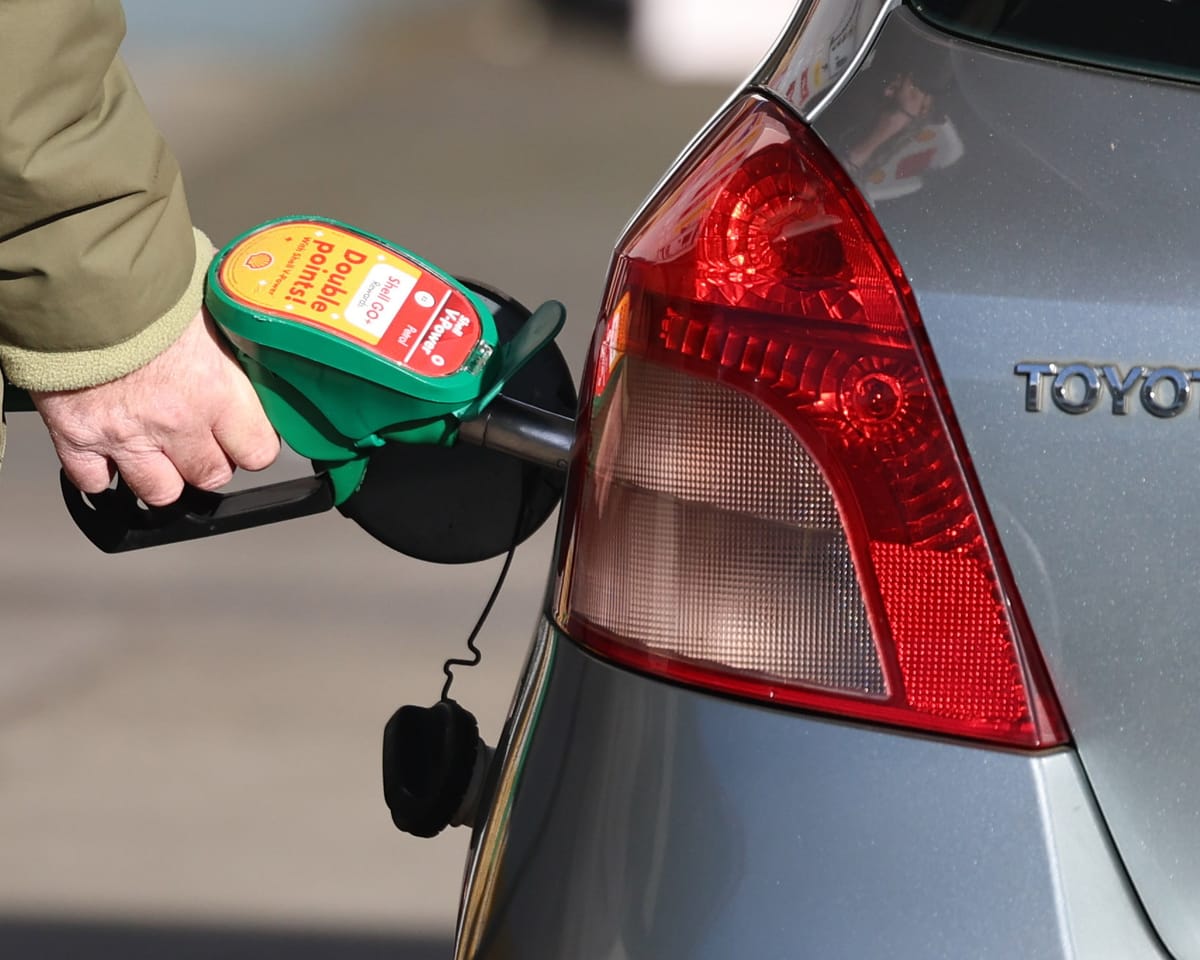
In the United Kingdom – unlike the United States, a net oil importer, where higher prices are unequivocally adverse – the Middle‑East conflict has already added 3 p to a litre of unleaded petrol, according to the RAC.
Should the rise in gas prices prove persistent, household energy bills could climb sharply when the next quarterly price cap is applied in July, just as the Labour Party is outlining measures to ease household expenses. Ministers are already weighing options to shield consumers.
The episode underscores how increasingly untenable it is to leave the task of curbing economy‑wide inflation solely to central banks while expecting markets to resolve the remainder in such a turbulent environment.
Even former Prime Minister Liz Truss implicitly acknowledged this when she introduced the energy price cap in 2022 – a surprisingly interventionist step for a declared free‑market advocate.
Whether or not the state steps in to restrain utility costs, a fresh oil shock poses a serious challenge for monetary policymakers everywhere, particularly in the UK.
In principle, central banks can “look through” supply‑side disturbances such as soaring energy prices, which tend to feed inflation.
Read next
Jaguar Land Rover suppliers voice ‘everything is against us’ amid cutbacks
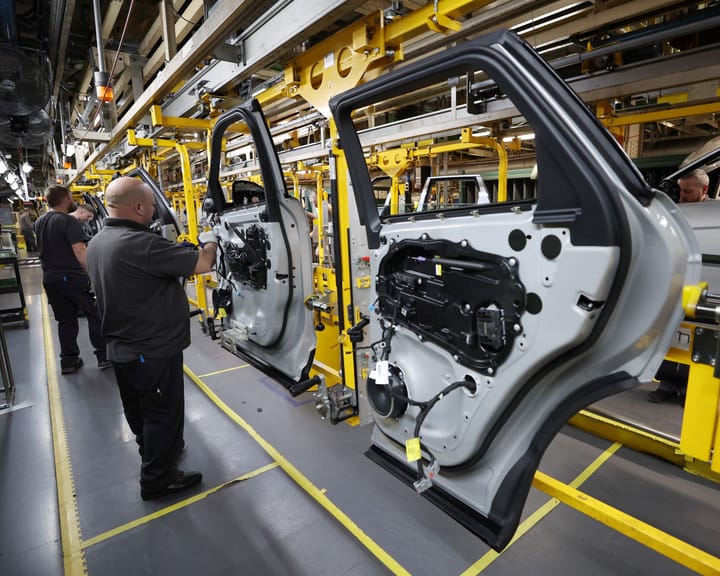
David Roberts, chair of Coventry-based Evtec, says the outlook for Britain’s automotive sector is grim, with “everything against us.” Evtec is a tier 1 supplier to Jaguar Land Rover, which this week announced 4,000 job cuts over two years despite chancellor John Healey’s attempt to talk
Europe’s fighter jet plans in disarray: what comes next?
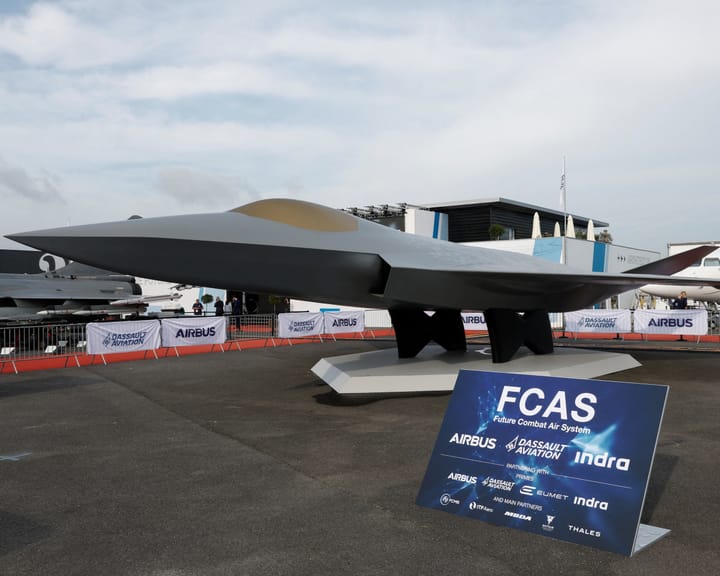
When former ECB president and Italian PM Mario Draghi urged Europe to catch up economically with the US and China, defence collaboration was prescribed. No more should each nation build independent boats, tanks or jets; allies should share costs and technologies.
Europe stumbled at the first hurdle. German Chancellor Friedrich
John Healey supports growth but insists Labour must be truthful about spending
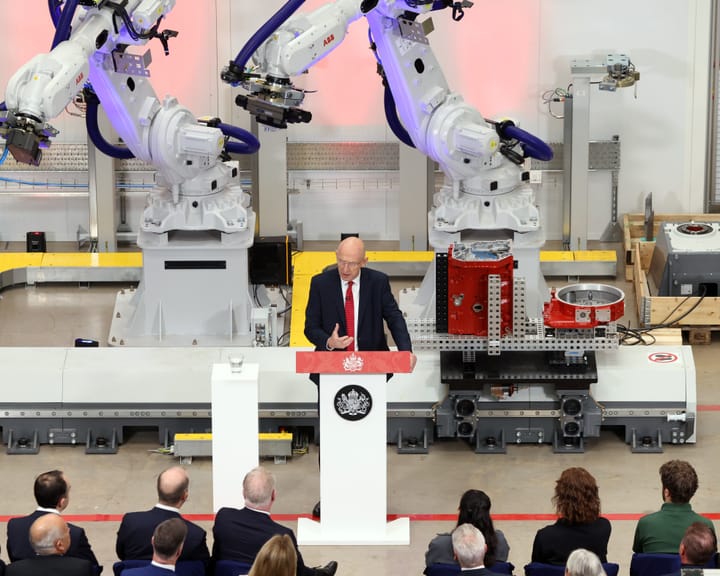
John Healey has stated that his primary goal as chancellor will be to boost economic growth, while acknowledging that Labour must be straightforward about controlling public spending at next month's budget.
In his first major address since assuming the role in July, Healey said the leading focus of