
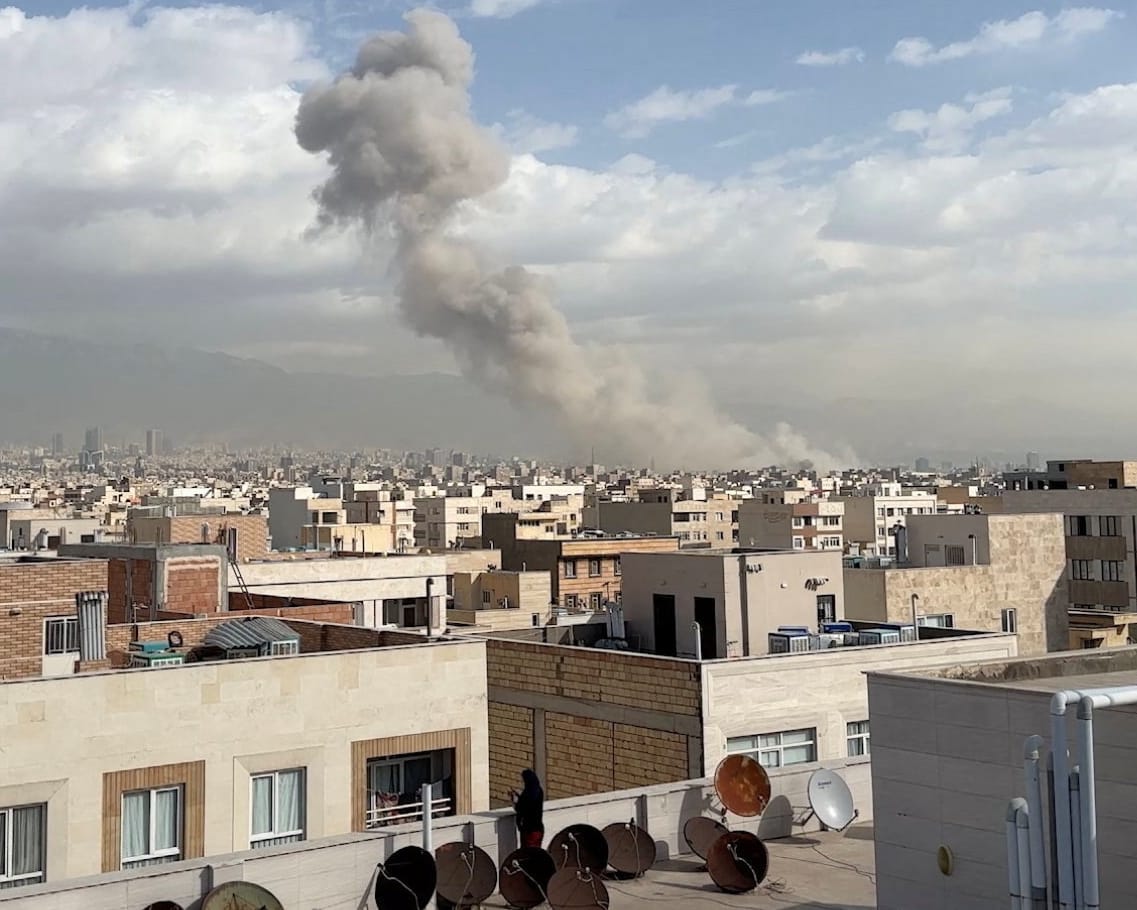
The United States and Israel have declared the launch of an unprecedented joint operation against Iran, beginning with an extensive bombing campaign intended to bring about regime change.
Israeli aircraft and American missiles hit hundreds of sites throughout Iran, prompting residents to flee major cities in panic. Among the targets were Iran’s supreme leader, Ayatollah Ali Khamenei, the president, Masoud Pezeshkian, and various weapons facilities across the nation.
Israel announced the start of what it termed Operation Lion’s Roar in coordination with President Trump, a military official saying the aim was to “degrade the regime’s capabilities.” The official added that the actions would continue “as long as necessary.”
Before Trump publicly signaled the commencement of the campaign, a wave of Tomahawk missiles and F‑16s moved toward numerous objectives. The barrage of U.S. and Israeli ordnance struck key security and political sites in Tehran, including the leader’s residence and ballistic‑missile depots on the country’s outskirts. Satellite images show devastation and black smoke rising from Khamenei’s secured compound.
Strikes hit at least fourteen cities across Iran, an Israeli officer noting that the operation was far broader than the U.S.–Israeli attack during last summer’s twelve‑day war. Targets included intelligence and security headquarters, homes of Iranian officials, and missile launchers and stockpiles—a strategy meant to curb Iran’s capacity to respond.
State media reported that a strike on a girls’ school in Minab, Hormozgan province, killed at least 51 people and wounded more than 60. Reuters confirmed the attack and identified the footage as showing the school; an Islamic Revolutionary Guard Corps base is also located in the city.
Iran’s response was rapid. It fired waves of missiles toward Israel and struck U.S. military installations in five Gulf states, extending the conflict beyond the previously drawn red lines that had kept the Gulf out of the Washington‑Tehran confrontation.
Within hours, the hostilities spread across much of the Middle East. Explosions were heard in Damascus, southern Lebanon and Amman as Israel intercepted incoming Iranian missiles. Iran also targeted U.S. bases in Qatar, Kuwait, the United Arab Emirates and Bahrain, and launched a strike on Riyadh, Saudi Arabia. The Gulf nations condemned the attacks and asserted their right to retaliate.
The United States also carried out strikes on Popular Mobilization Forces positions in Iraq, wounding several members of the Iranian‑backed militia.
The speed with which the clash expanded regionally was striking. In a matter of hours the geographical reach of the fighting surpassed that of the earlier twelve‑day war, leaving populations across the region in a state of panic.
Read next
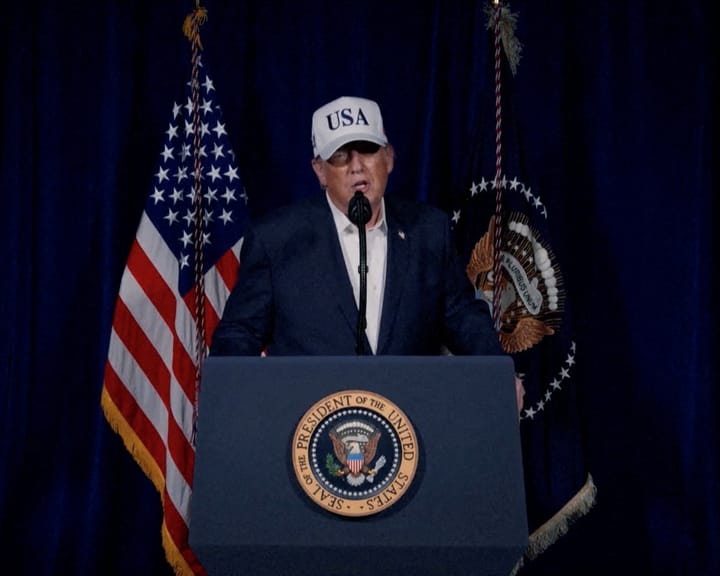
US lawmakers denounce Trump’s Iran strikes as unauthorized acts of war by Congress
Donald Trump’s inability to persuade the American public of the need to strike Iran, followed by an operation that proceeded without informing Congress’s principal national‑security advisers – the “gang of eight” – has sparked intense domestic criticism of the military action against the Islamic Republic on Saturday.
Despite the

France, Germany and the UK call on Iran to negotiate a solution after the attack
European leaders have called on Iran to pursue a “negotiated solution” as they work to halt the escalation of conflict involving the United States, Israel and Iran through diplomatic channels. They also stressed that they were not involved in the recent strikes.
In an uncommon joint communiqué, the heads of
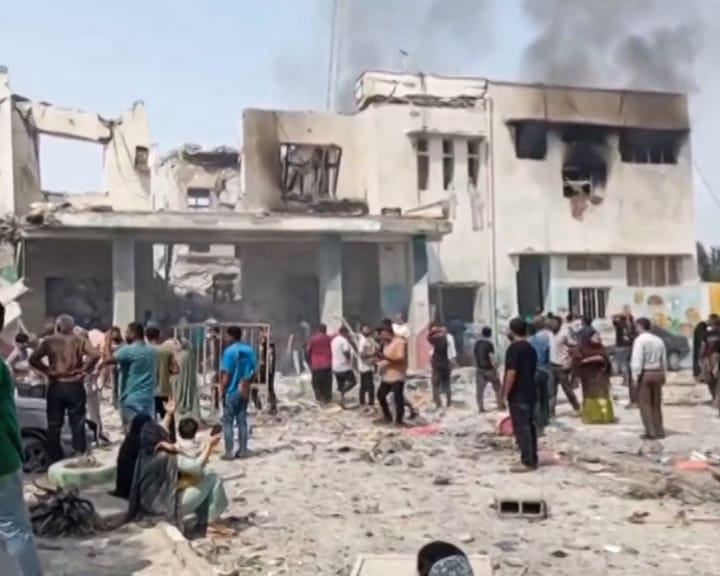
Missile strike on a southern Iran school kills at least 80 children.
Iran’s parents had just dropped their children off for class on Saturday morning when they found themselves racing back to school gates, as bombs began to fall across the country in a joint US‑Israel attack.
At one elementary school, according to Iran’s state‑controlled media, they arrived