
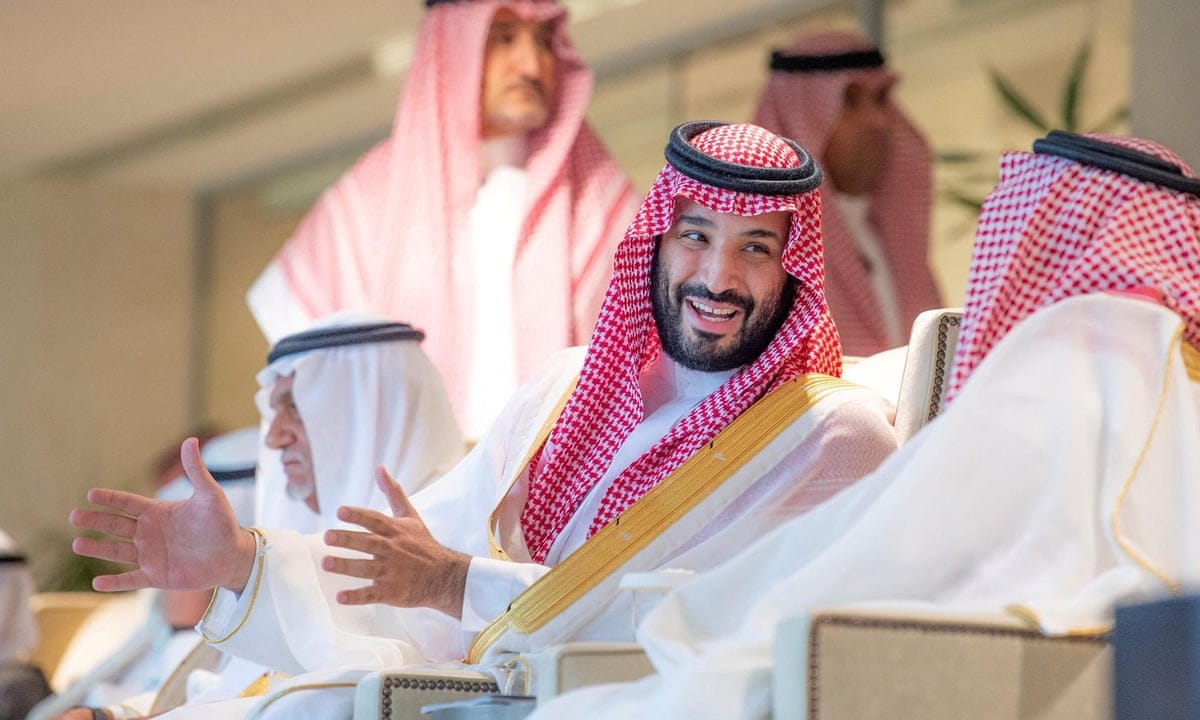
Questions about free speech suppression have arisen once again in Saudi Arabia following the sentencing of a man's brother to 20 years for what is largely considered harmless tweets. The nation’s ruling prince, Mohammed bin Salman, had previously stated that the man facing execution was victimized by "faulty laws," yet those same regulations were employed to hand down a sentence against his brother, Asaad al-Ghamdi.
Mohammad al-Ghamdi's lawyers in Britain have revealed that an UN special rapporteur on arbitrary detention deemed him a victim of such treatment and denial of proper legal representation.
The death sentence was delivered to Mohammad al-Ghamdi last year, but he has been provided no indication regarding the possibility or timing for appeals or his execution. In an interview with Fox News in September, Prince Mohammed admitted regret over their judicial system's handling of such cases.
A third brother, residing in the UK and a human rights campaigner by profession, witnessed the arrest of both siblings as part of Saudi Arabia’s efforts to curb dissidents abroad.
Asaad was apprehended at his home in Jeddah last year, with no explanation given for the reasons or charges behind this action. His lawyer was denied access for ten months and he spent a third of that time alone in jail. The man suffers from epilepsy which has caused several falls while detained.
After eight court hearings over the past year, Asaad was convicted earlier this month on charges related to his brother's tweets. This came despite Prince Mohammed stating last September that such sentences were against their country’s laws and not representative of their judicial system.
According to a recent report by an UN working group, the detention may constitute a crime against humanity as it is infringing on the right to free expression. The group recommended immediate release for Mohammad al-Ghamdi and compensation payments, alongside calls to reassess Saudi Arabia's anti-terror laws and judiciary independence.
In response, Riyadh defended their stance by arguing that the case was handled in a fair trial within a specialized court and underlined their right to detain individuals as per existing counter-terrorism regulations.
Dr Saeed al-Ghamdi expressed his belief that these actions are retaliation for his brother’s activism, stating: "This sentence against my brothers is due to my efforts in advocating human rights and criticizing the government."
Read next
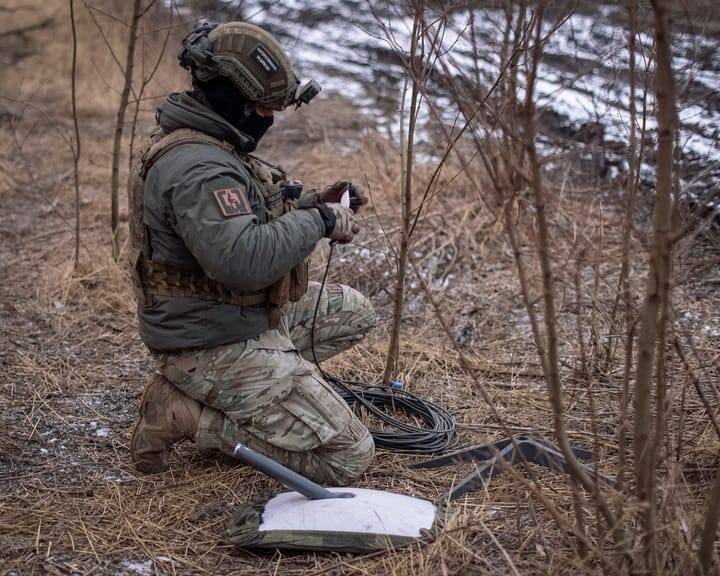
Ukrainian combat troops gain restricted access to Starlink satellite internet
Ukrainian soldiers experienced a sudden disruption in their access to Starlink satellite internet terminals amid increased pressure from the Trump administration for Ukraine to cease long-range attacks on Russia’s oil infrastructure. These terminals, managed by Elon Musk’s SpaceX, are vital for Ukraine's military operations. The
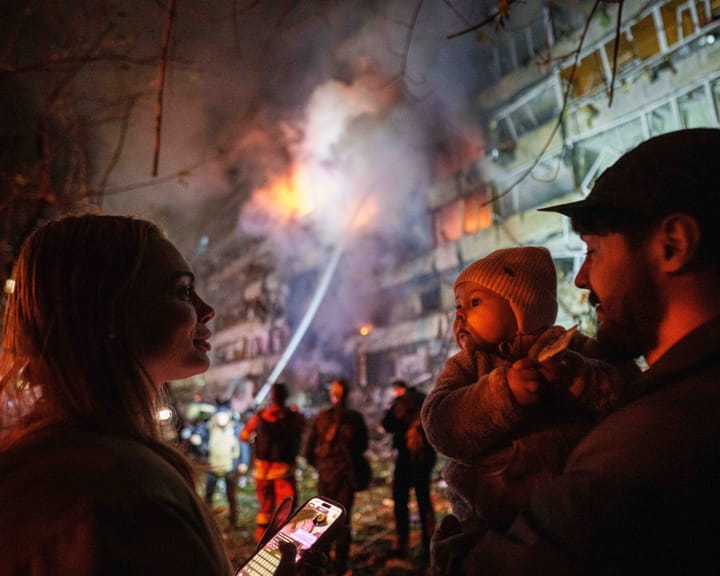
Russia's latest Ukraine attacks show 'disrespect' towards US, says Zelenskyy — Europe live
Sikorski Confronts Musk Over Starlink in Ukraine
Poland’s Foreign Minister Radosław Sikorski recently addressed Elon Musk on X, questioning reported restrictions on Starlink services in Ukraine. Poland contributes significantly to Ukraine’s funding of Starlink, which is crucial for maintaining internet connectivity in Kyiv and its military operations, with
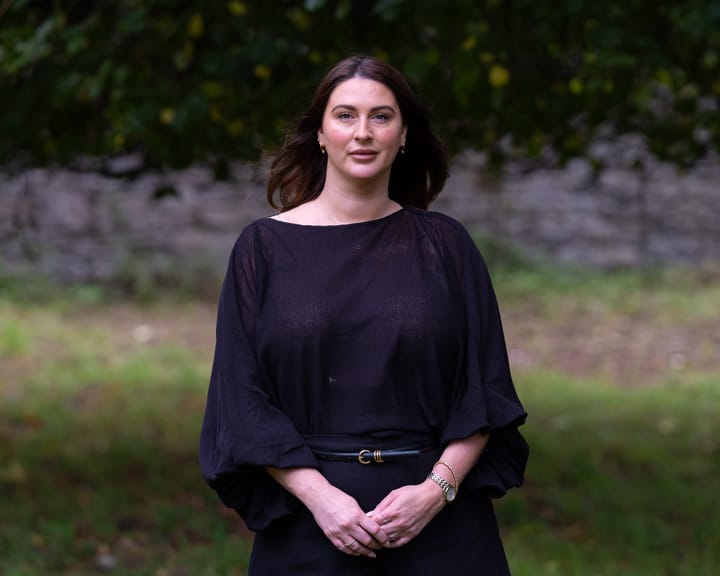
"Breaking Stigma: Nikita Jager's Triumph in Civil Rape Case Against Conor McGregor"
Nikita Hand faced a challenging decision when considering a civil case against Conor McGregor following a 2018 assault. Despite her personal reservations about being an "imperfect victim" due to alcohol and drug use on the night of the incident, she chose to proceed. This decision stemmed from her