
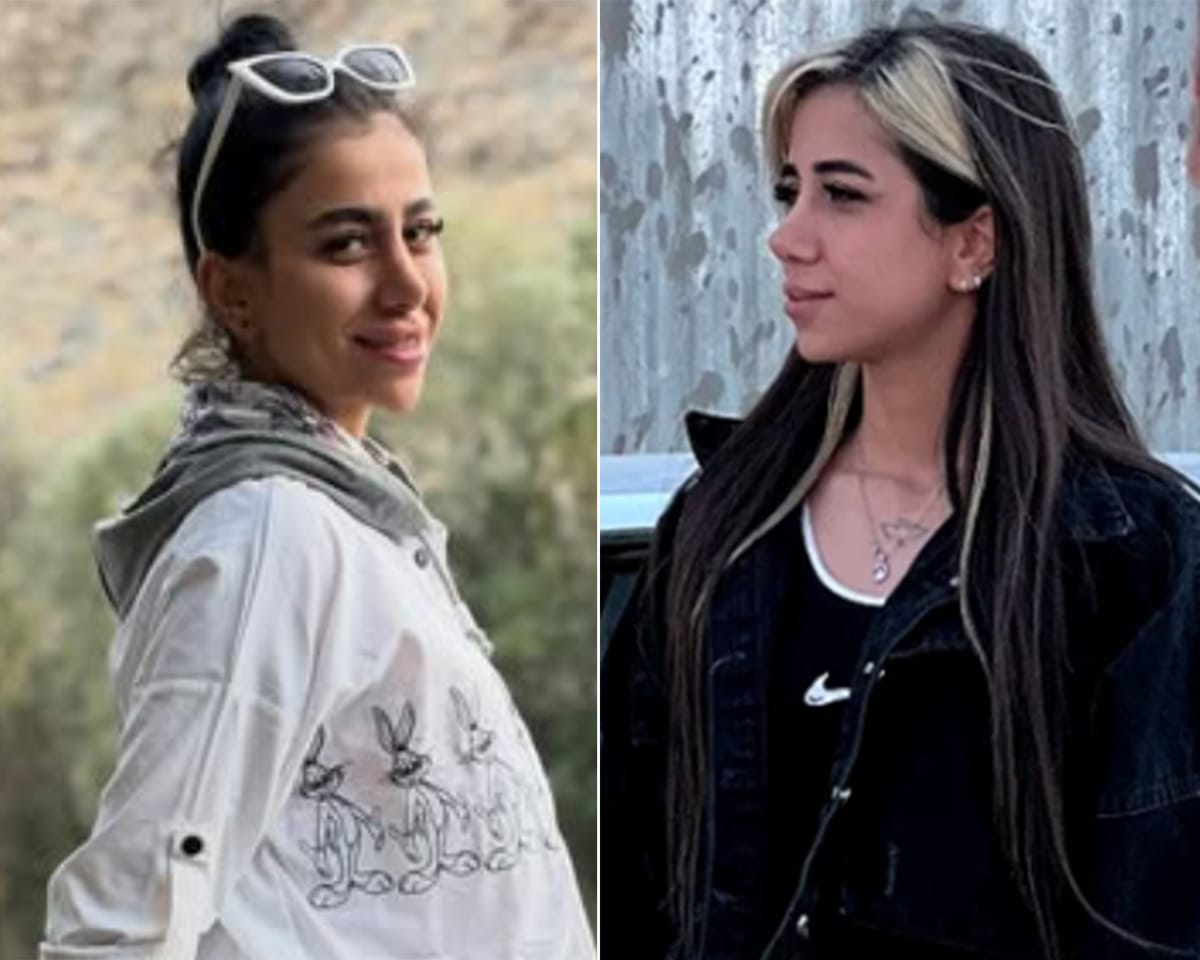
The 19-year-old twins were still in high school when masked men removed them from their beds in the middle of the night. The men were later identified as agents sent by the Islamic Revolutionary Guards Corps.
Their mother, Marzieh Nourmohammadi, spent four months searching hospitals and state institutions for information before finally learning what had happened. Taraneh and Romina Rahimi had been arrested because they had taken part in the nationwide January protests against the regime that drew millions into the streets of Iranian cities. By the time their mother visited them in prison in May, the twins were barely recognisable.
According to their cousin, who lives in the United States, the women's scalps were patchy from being pulled by their hair and their faces were bruised. The cousin claims Taraneh was told prison guards would rape Romina in front of her unless she signed a confession.
That prison visit at Dowlatabad prison in Isfahan took place five months ago. Iranian courts have now revealed that Taraneh received a death sentence for her role in the January protests, while Romina was sentenced to 25 years in prison. Neither woman has been seen by her family since the sentencing.
The reason for the difference in sentences is unclear. The twins' cousin, Masoud Nourmohammadi, based in Utah, said he found it impossible to make sense of the regime's actions.
"They do not follow their own law," Nourmohammadi said. "There is an 18-day period during which lawyers can appeal, but in many recent execution cases that has not happened. They simply sentence them, take them away, and execute them. Nothing makes sense."
Nourmohammadi, 43, believes Taraneh was sentenced to death by hanging because of her evident innocence. "You can see her eyes and know immediately that she is a kind person," he said. "My impression is that they are trying to spread fear, to show that no matter how innocent or harmless you are, they can still come after you, so people will not return to the streets."
Even with the logistical strain of the war with the United States and Israel that began in February, Iran has executed more than 500 people this year, including at least 29 linked to the January protests. At least 16 women are among those executed. Hundreds more protesters face death sentences or charges that could lead to execution, including more than 70 in Isfahan.
Last month, the United Kingdom and 30 other countries signed a joint statement denouncing the executions of January protesters as an effort to silence dissent.
Nourmohammadi, a healthcare IT specialist who left Iran 22 years ago, continues to speak publicly despite receiving death threats by text message and on social media from individuals claiming to know his address. He said his cousins' case should strengthen the resolve to bring down the Islamic regime.
The twins joined the protests on 8 and 9 January in Isfahan, alongside roughly 18 million others. A month later, men arrived, placed bags over their heads, and dragged them away without explanation. "The family did not know where they were," Nourmohammadi said. "They were searching everywhere — different courts, hospitals. Then my aunt received a call saying: 'We have your daughters, come see them at the prison.'"
The sight of her daughters devastated his aunt. "She did not recognise her own children: beaten, badly swollen faces, bruises all over their bodies, broken elbows, knuckles, feet, and they had almost no hair because the guards pulled their hair and dragged them from cell to cell. She learned they had been held in solitary confinement."
Marzieh Nourmohammadi, who raised her daughters, now 20, as a single mother, was barred from attending their trial. Their lawyers said Taraneh told the court that any statements she made had been obtained through torture. The family claims no evidence was presented of the sisters' involvement in violence, and that they had never taken part in protests before.
"My mother lives with me," he said. "There is not a single moment when I pass her that she is not crying."
Read next

Far-right AfD expected to achieve major victory in pivotal German state election
German voters cast their ballots on Sunday in a significant regional election in which the far-right, anti-immigration and Moscow-aligned Alternative für Deutschland (AfD) was projected to win.
AfD, polling above 40% for months in Saxony-Anhalt, was aiming to secure its first-ever state government, though the
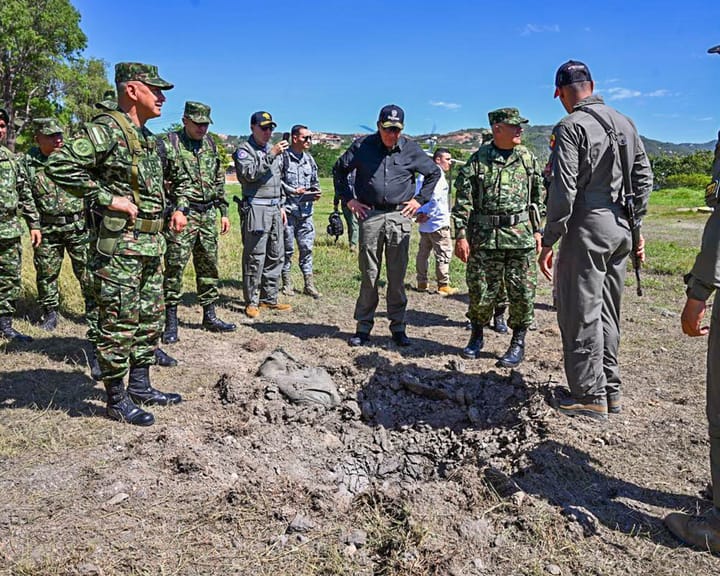
Guerrilla drone strike kills at least three soldiers in Colombia
Drone-Dropped Explosives and Subsequent Raid on Military Base in Northeastern Colombia Leave Three Soldiers Dead, Four Wounded
Colombia's army reported on Saturday that an attack involving explosives delivered by drones, followed by a ground assault on a military compound in the northeastern region of the country, killed
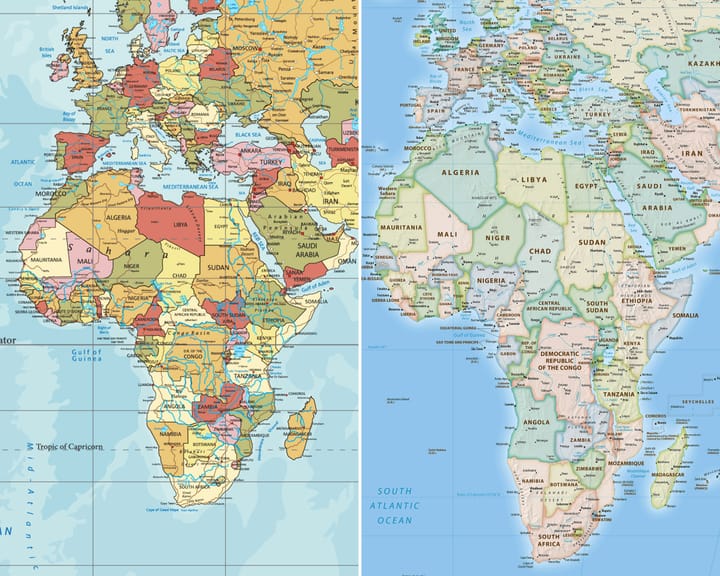
World Map Reform: UN Backs Redesign Accurately Depicting Africa’s True Size
The United Nations has approved a resolution calling for the world to formally phase out the traditional Mercator map of the globe in favour of one that more accurately displays Africa’s size.
During a session at its headquarters in New York, the UN general assembly officially retired the 16th-