
Iran has fired a volley of retaliatory missiles toward Israeli and U.S. installations throughout the region, condemning the two nations’ air raids as violations of the UN charter and blatant aggression that eliminates any chance of a diplomatic settlement.
The foreign ministry urged Muslim and non‑aligned countries to press for an urgent UN Security Council meeting, noting that the U.S.–Israeli strikes on Saturday marked the second such assault within a year while Iran was engaged in delicate talks over its nuclear programme.
Those negotiations aimed to establish a verifiable mechanism that would prevent Iran from obtaining the components needed for a nuclear weapon. Oman’s foreign minister, Badr Albusaidi, the chief mediator, said on Friday that peace appeared within reach.
Following the initial wave of Israeli attacks on Tehran on Saturday morning, officials affirmed that the leadership—including Supreme Leader Ayatollah Ali Khamenei and President Masoud Pezeshkian—remained unharmed, despite an alleged assassination attempt in the bombings. Satellite images showed Khamenei’s office in the capital reduced to a charred shell.
Although rumors circulated that army commander‑in‑chief Maj. Gen. Amir Hatami had been killed, early reports indicated the attacks had not struck the top brass as extensively as the June incident. The status of Revolutionary Guard commander Mohammad Pakpour remained uncertain, and the residence of reformist former prime minister Mir‑Hossein Mousavi suffered severe damage.
Forty schoolgirls at an elementary school in Minab, Hormozgan province, were reported dead and 48 injured. Ambulances were seen transporting the wounded to hospitals in central Tehran.
Images displayed multiple Revolutionary Guard weapons depots and missile sites that had been struck.
The foreign ministry issued a statement declaring that the nation “will not hesitate” in its response. In a post on X, the ministry wrote: “The time has come to defend the homeland and confront the enemy’s military assault.”
The National Security Council urged residents to move out of cities under attack, while the government information council cautioned that “people should not worry about shortages or deficiencies.”
The directive to leave Tehran and other urban areas may aim to deter the gathering of protest crowds, contrasting with the message from Reza Pahlavi, son of the former shah, who said he would soon call on demonstrators to return to the streets.
Donald Trump addressed Iranian civilians in his announcement of the U.S. strike: “Bombs will fall everywhere. When we finish our work, take control of your government,” he said.
It remains uncertain whether Iran’s security forces will be able to quell any renewed street unrest, or whether the attacks will reshape the situation on the ground.
Read next
French Minister Refutes Police Brutality Claims Amid Ongoing Student Protests Across France – Europe Live
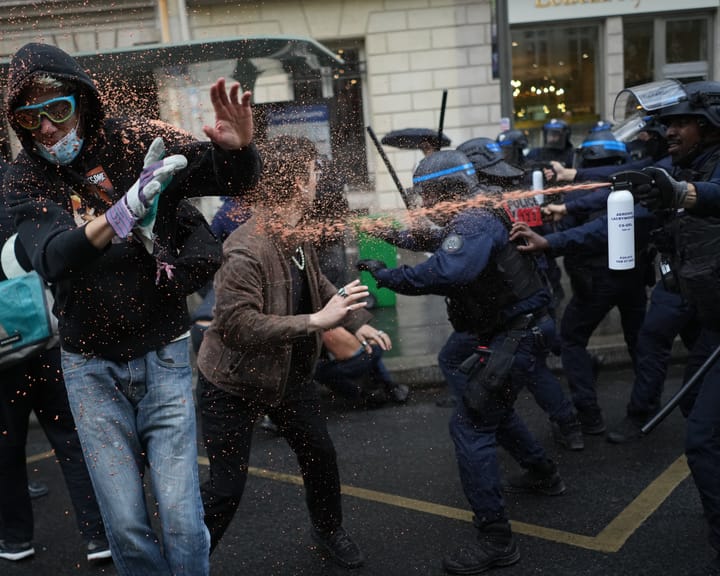
In recent developments, French Interior Minister Laurent Nuñez has refuted claims of excessive police force during the ongoing student protests in France. He emphasized that police action is only taken in response to violence or property damage. Addressing lawmakers, Nuñez described the protests as "unprecedented" due to the
Ukraine Reports Russia Bombed Apartment Building Coinciding with Putin's Birthday
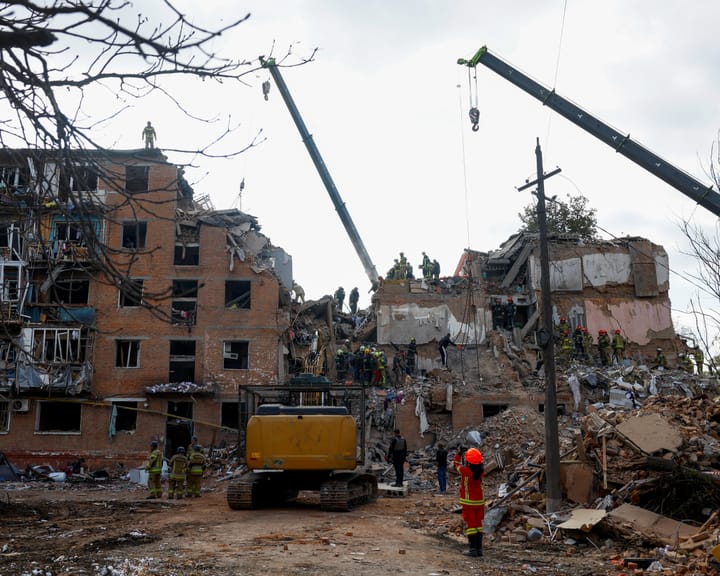
Volodymyr Zelenskyy has accused Russia's military of deliberately targeting civilians and bombing residential buildings as a grim gift for Vladimir Putin, who celebrates his 74th birthday on Wednesday.
Ukraine’s president described Russia’s overnight drone and missile strikes, which killed at least 24 people, as “despicable.” “The
Fears of 'another coup d'état' grow as Flávio Bolsonaro vows to 're-democratise' Brazil
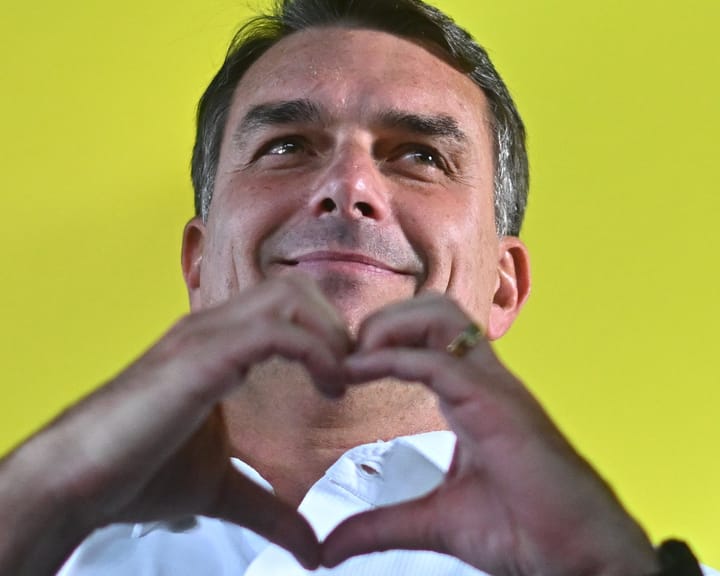
Flávio Bolsonaro, the leading candidate for Brazil's presidency, has promised to "re-democratise" the nation, raising concerns about potential authoritarian governance should he win. Brazil transitioned to democracy in the 1980s after a harsh 21-year dictatorship, a period lauded by Flávio's father, former