
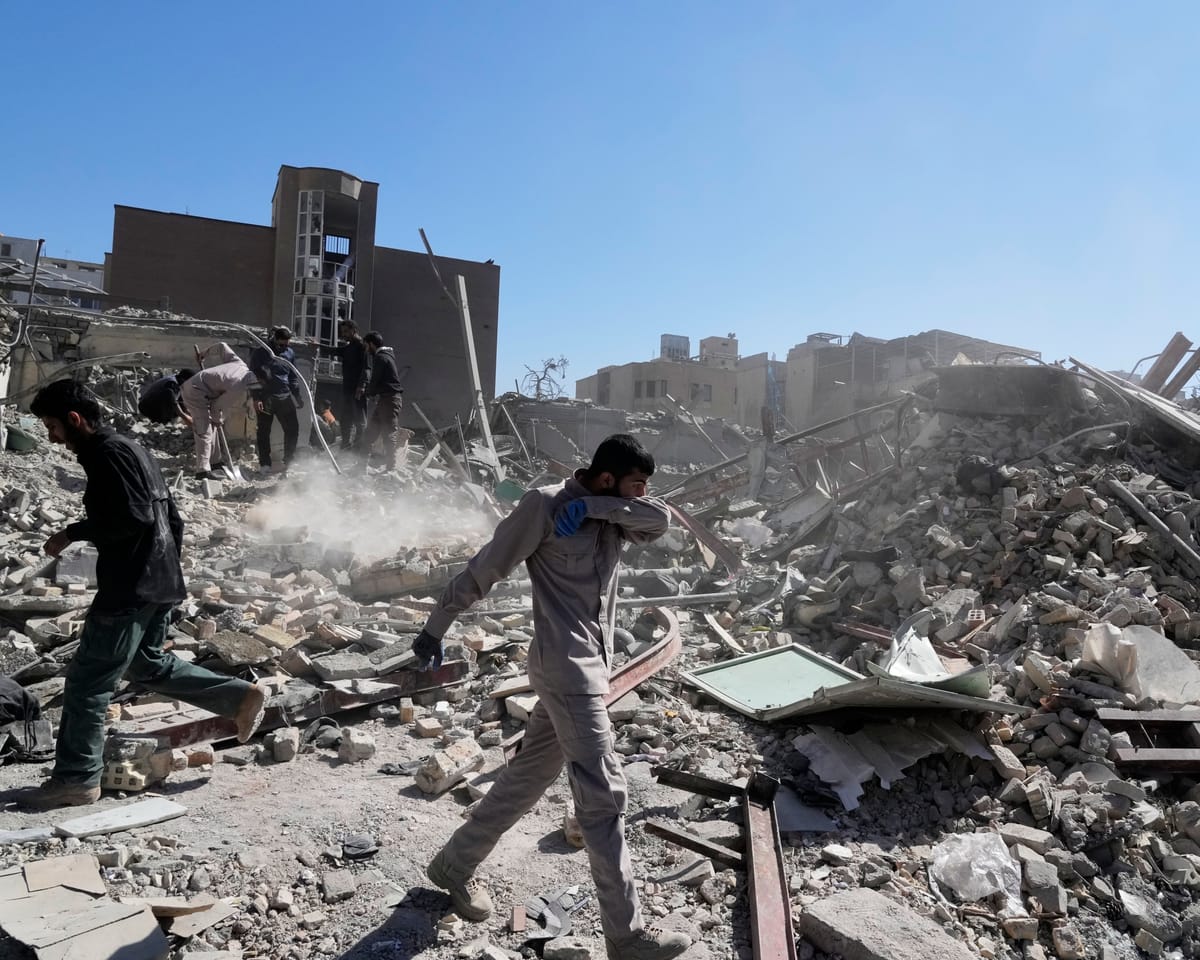
Iranian drones struck the U.S. embassy in Riyadh as Tehran persisted in launching successive retaliatory raids on the Gulf and Israel, while Israeli troops began operating in southern Lebanon on the fourth day of an expanding regional conflict in the Middle East.
The drone strike on the Riyadh embassy sparked a small blaze, prompting the diplomatic mission to advise Americans to stay away from the site. The incident followed an earlier Iranian drone attack on the U.S. embassy in Kuwait, as Iran continued to target American bases, facilities and personnel throughout the Arab Gulf states.
The pro‑Iran militia Hezbollah also kept up its attacks on Israel, saying it fired two missile salvos overnight at military installations in northern Israel. In turn, Israel persisted with air strikes and issued evacuation orders for villages in south Lebanon, virtually emptying the area south of the Litani River and turning the southern suburbs of Beirut into a near‑ghost town.
On Tuesday morning, Israeli defence minister Israel Katz said he had ordered troops to “hold and advance” into parts of south Lebanon to stop further Hezbollah fire toward northern Israel. This was the first admission that Israel’s campaign against Hezbollah would involve ground forces as well as aerial operations.
At the same time, the United States and Israel kept up their strikes against Iran, with the U.S. claiming it had destroyed Islamic Revolutionary Guard Corps command‑and‑control sites.
What began as a clash between Iran on one side and the United States and Israel on the other has quickly become a regional war, with new fronts opening almost daily.
The U.S.–Israeli air campaign against Iran started on Saturday with attacks on Tehran, killing the supreme leader, Ali Khamenei, and prompting Iranian retaliation against Israel and missile launches at Arab nations hosting U.S. bases. The fighting soon spread to involve at least nine countries and a number of pro‑Iran groups.
On Tuesday, Israeli prime minister Benjamin Netanyahu said the war with Iran could take “some time”, noting that while it would not “last years”, it might drag on. “It’s not an endless war,” he told a television interview.
U.S. president Donald Trump, who has issued conflicting statements about the war’s duration, also said on Monday that it could extend “far longer” than the initially projected month.
U.S. officials, including defence secretary Pete Hegseth, publicly floated the notion of American ground troops in Iran, a prospect analysts deem unlikely given the country’s rugged, mountainous terrain.
Secretary of State Marco Rubio warned that “the hardest hits are yet to come”, as administration officials said the Iran campaign had progressed better than expected.
Read next
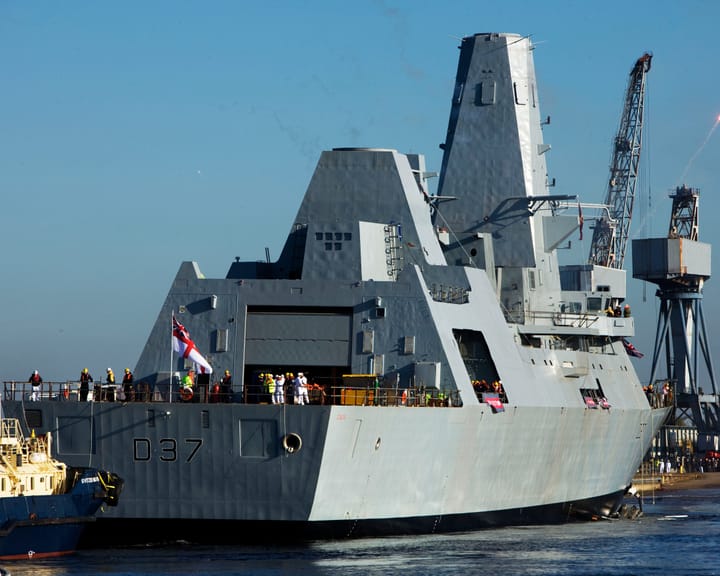
UK mulls deploying a Royal Navy destroyer to Cyprus.
John Healey, the defence secretary, is weighing the option of dispatching a Royal Navy destroyer to Cyprus to bolster the security of British installations after a series of apparently hostile drones struck RAF Akrotiri on the island.
Defence officials said a deployment of HMS Duncan, presently stationed in Portsmouth, is
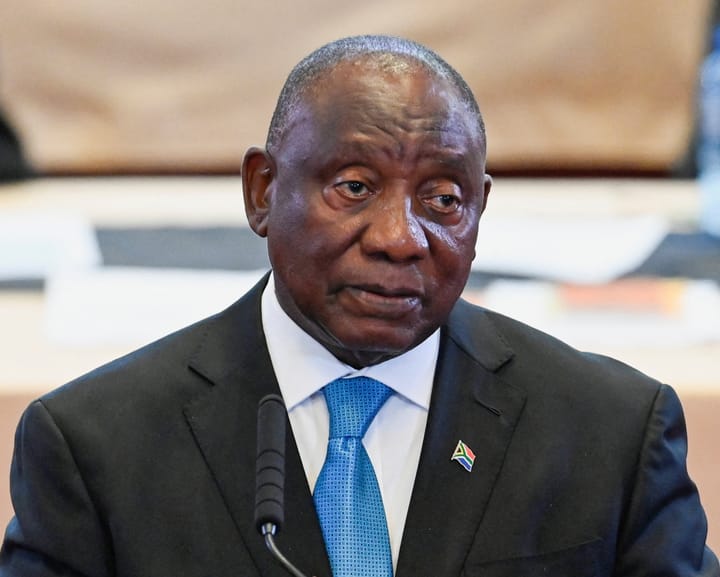
Global South denounces US‑Israeli conflict with Iran
The US‑Israeli offensive against Iran has been denounced as unlawful by many nations in the Global South, with China labeling the act of “openly murdering the head of a sovereign state” as intolerable.
Numerous governments argued that diplomatic talks between Washington and Tehran over the nuclear agenda and missile

Notorious Italian mafia leader Benedetto Santapaola dies in prison at 87
Benedetto “Nitto” Santapaola, a Sicilian mafia leader and one of Italy’s most notorious criminals, has died at 87.
Santapaola, long suspected of orchestrating the wave of violence that plagued Italy in the 1980s and 1990s, passed away on Monday in a Milan prison where he was serving several life