
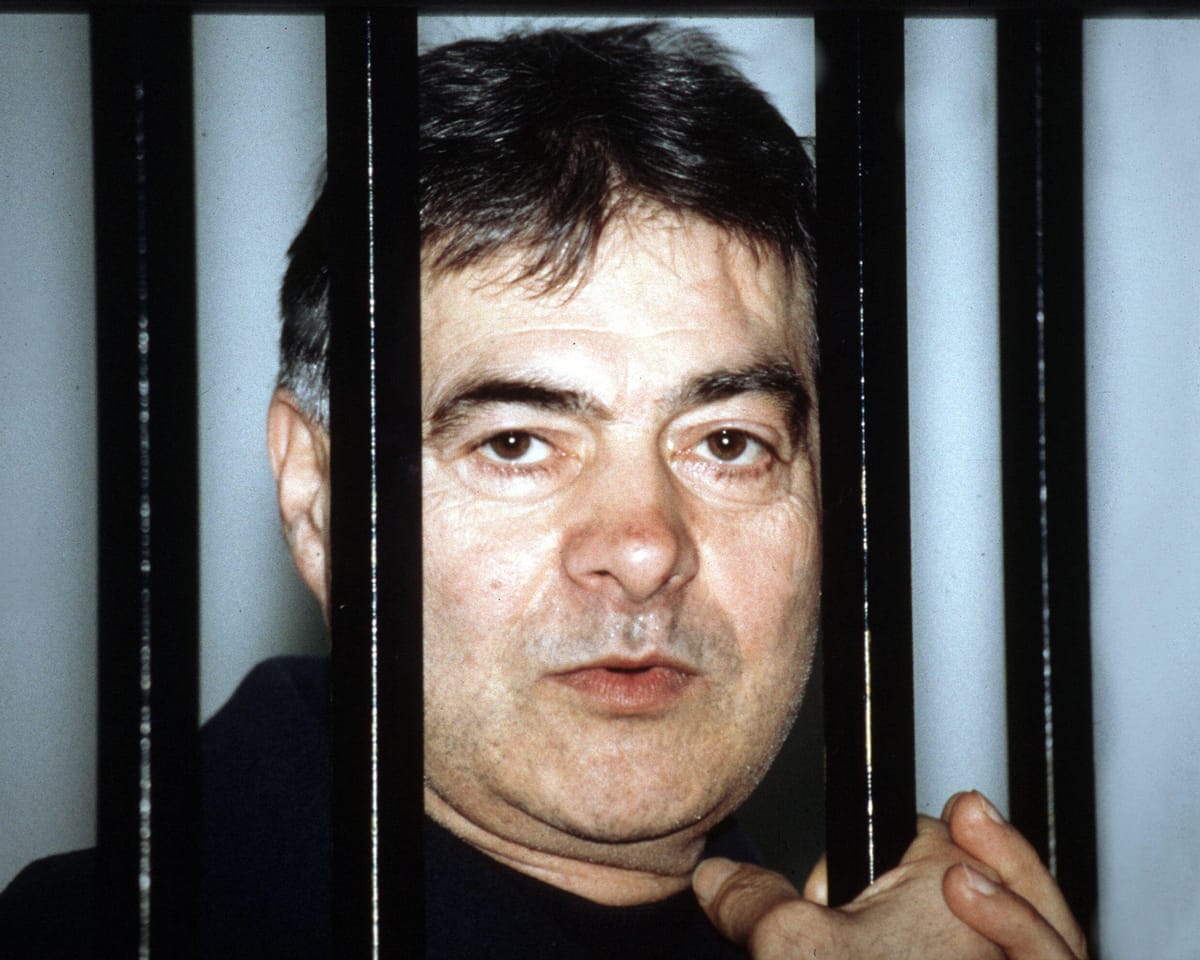
Benedetto “Nitto” Santapaola, a Sicilian mafia leader and one of Italy’s most notorious criminals, has died at 87.
Santapaola, long suspected of orchestrating the wave of violence that plagued Italy in the 1980s and 1990s, passed away on Monday in a Milan prison where he was serving several life terms. An autopsy has been ordered.
Before his capture, he was considered one of the most influential figures in the history of the Sicilian mafia, linked with Totò Riina – the self‑styled “boss of bosses” – and Bernardo Provenzano, the Cosa Nostra’s top commanders. He operated out of Catania, from where he dominated much of eastern Sicily.
Among the crimes linked to him was the May 1992 bombing at Capaci, which killed anti‑mafia magistrate Giovanni Falcone, his wife Francesca Morvillo, and three bodyguards, sending shockwaves through a nation locked in a fierce fight against organised crime.
After more than ten years on the run, the man known as il cacciatore (the hunter) was seized in 1993 at a farmhouse near Catania together with his wife, Carmela Minniti. She was shot dead two years later by Giuseppe Ferone, a former member of a rival clan, who claimed he acted in revenge, hoping to make the boss feel the same loss he had endured.
In 2003, Santapaola was found guilty of ordering the 1984 murder of investigative journalist Giuseppe Fava, who had exposed his criminal network and political connections. Fava was shot five times in his car in Catania after attending a theatre performance by his niece.
Fava’s son, Claudio, a former MEP and ex‑president of Sicily’s anti‑mafia commission, said he felt no hatred toward Santapaola. “I wasn’t capable of it,” he said. “And I feel no relief now that he’s gone.”
He recalled a visit to the prison where his father was held. “He recognised me,” Claudio said. “He came to the bars and claimed innocence, saying he would shake my father’s hand in heaven. I listened. It seemed a sad performance by a man imprisoned by his own legend.”
Santapaola, he added, had twice ordered Claudio’s murder and forced him to live under police protection. “But what would have been the point of reminding him?”
Investigators believed the boss continued to direct his clan from behind bars through trusted lieutenants. Like other mafia heads, he refused to cooperate with prosecutors, taking his secrets to the grave.
Claudio summed up: “He died carrying inside him the names of the untouchable protectors who secured his throne in Cosa Nostra. Among those who benefited from his power were the whole city’s elite – journalists, magistrates, police chiefs, colonels, publishers. The memory of those years … Santapaola dragged with him through his 33 years in prison, and now into the grave.”
Read next
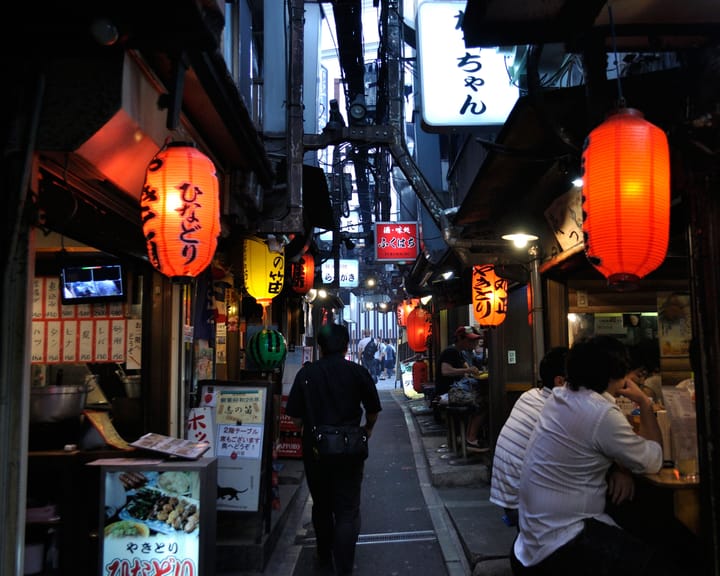
Tokyo tourist hotspot outlaws short-term rentals amid complaint surge
Shinjuku Ward, Tokyo, has moved to ban short-term rental accommodations in residential areas and near schools and important cultural sites, following a slew of complaints about visitor behaviour. The decision, to be enacted through a local ordinance, marks the latest sign that Japan’s patience with mass tourism is

Canada implements retaliatory US tariffs as trade dispute intensifies
Canada’s retaliatory tariffs on about $20 billion worth of American imports took effect at 12.01am on Tuesday, ranging from 15% to 50% and applying to steel, dairy, appliances, agricultural equipment, pulp and paper, and electronics. The measures, a response to the United States’ 50% tariff on $20 billion
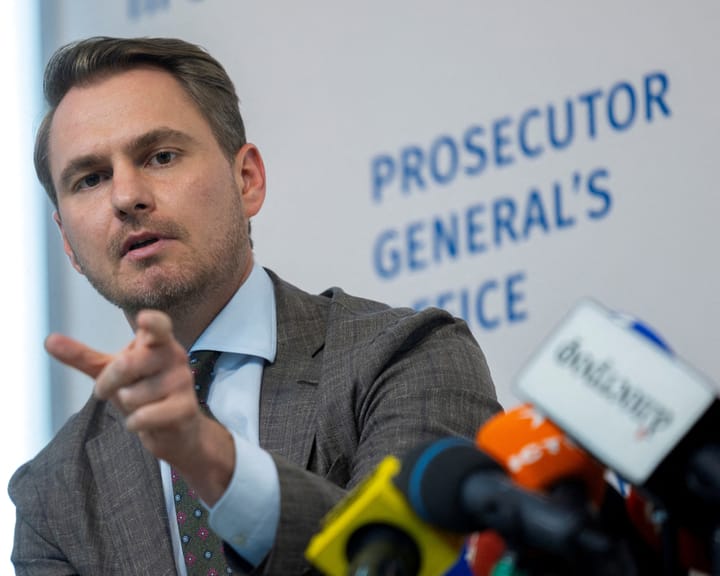
Prosecutor general resigns amid political turmoil in Kyiv during Ukraine war
Ukraine’s prosecutor general Ruslan Kravchenko resigned amid corruption accusations after anti-graft officers searched his offices at the weekend. He called the allegations “completely unsubstantiated” and denied wrongdoing. The National Anti-Corruption Bureau (NABu) and Specialised Anti-Corruption Prosecutor’s Office (Sapo) announced Saturday they uncovered a money-laundering