
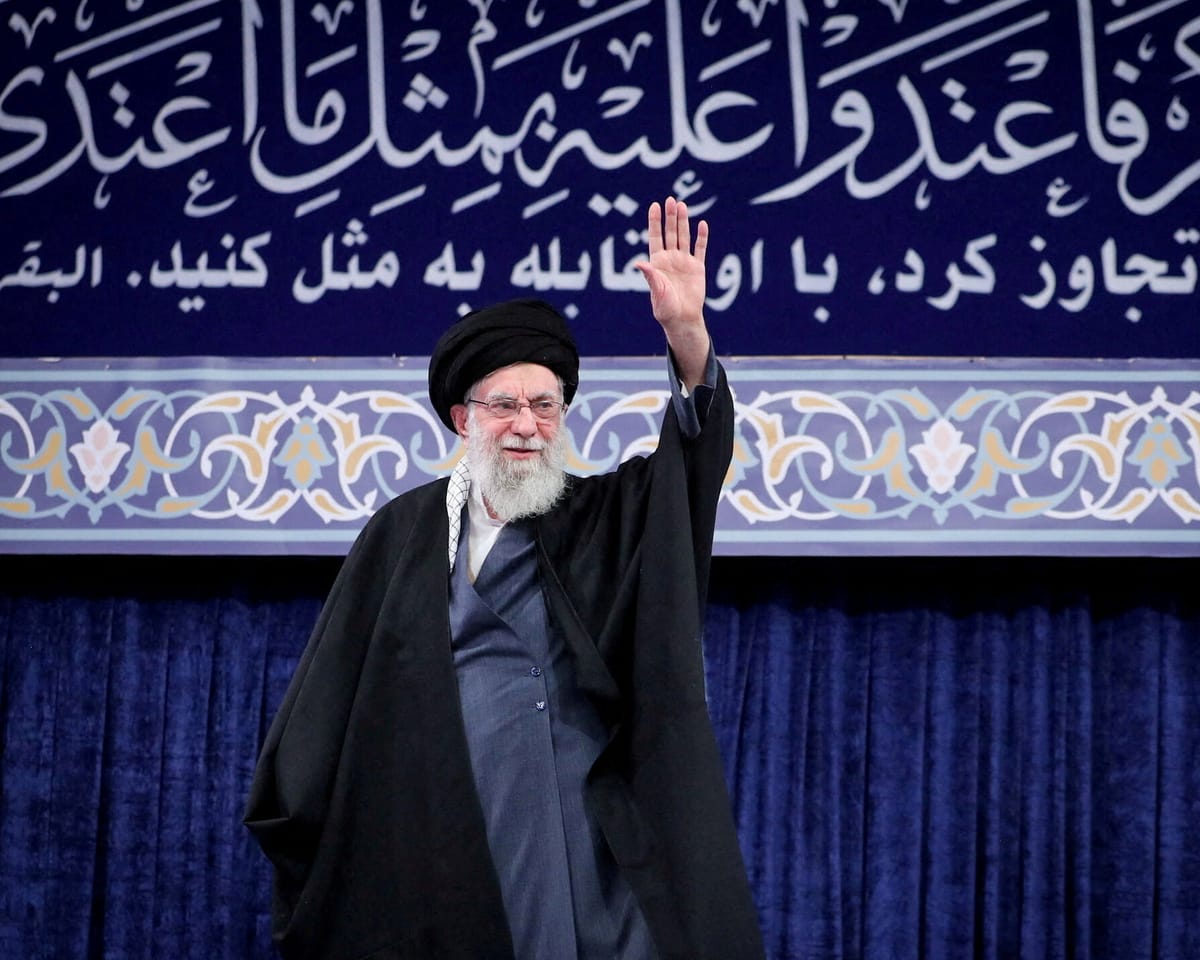
When he made his first public appearance in five years in October 2024, Iran’s supreme leader Ayatollah Ali Khamenei delivered a stark warning: Israel “won’t last long,” he declared to tens of thousands gathered in a Tehran mosque during a Friday sermon.
“We must confront the foe while reinforcing our steadfast faith,” the 84‑year‑old told the crowd.
Seventeen months on, Khamenei may have faced his ultimate showdown after decades of bitter conflict with numerous adversaries.
Benjamin Netanyahu remarked on Saturday that many indications suggest Khamenei “is no longer with us,” without formally confirming his death.
Although Iranian officials have not issued an official death notice, satellite photos show his fortified residence was heavily hit in the opening salvo of Saturday’s strikes, and Tehran has yet to present evidence that he survived.
It is evident that Israel and the United States have openly expressed a desire to remove Khamenei and thereby precipitate the collapse of the Islamic Republic in its current guise.
In October 2024, Khamenei already seemed pressed against a wall.
Days earlier, Israel had eliminated Hassan Nasrallah, the long‑time secretary‑general of Hezbollah, by dropping massive bombs on the group’s headquarters in Beirut—a personal blow to Khamenei, who had known Nasrallah for years.
The Israeli air campaign against Iran in June of the previous year dealt another setback, exposing the frailty of Iran’s air‑defence network and the coalition of Islamist militias Khamenei had assembled to deter Israel. Iran’s volley of missiles and drones struck Israel but fell short of halting the Israeli onslaught. The hostilities ceased after former President Donald Trump ordered U.S. bombers to hit Iranian nuclear facilities, a severe blow to a program the supreme leader had long championed.
That short‑lived clash made clear that Khamenei’s strategic choices were dwindling—a scenario the cautious, pragmatic, conservative and ruthless revolutionary had always striven to avoid.
Born to a modest cleric in the eastern shrine city of Mashhad, Khamenei entered the radical currents of the early 1960s. The then‑Shah Mohammad Reza Pahlavi had launched an ambitious reform agenda that was largely rejected by the nation’s conservative clergy.
As a young theology student in Qom, a hub of religious scholarship, Khamenei absorbed Shia traditions and the revolutionary ideas of Ayatollah Ruhollah Khomeini, the emerging leader of the opposition. By the late 1960s, he was conducting clandestine missions for the exiled Khomeini and organizing networks of Islamist activism.
Read next
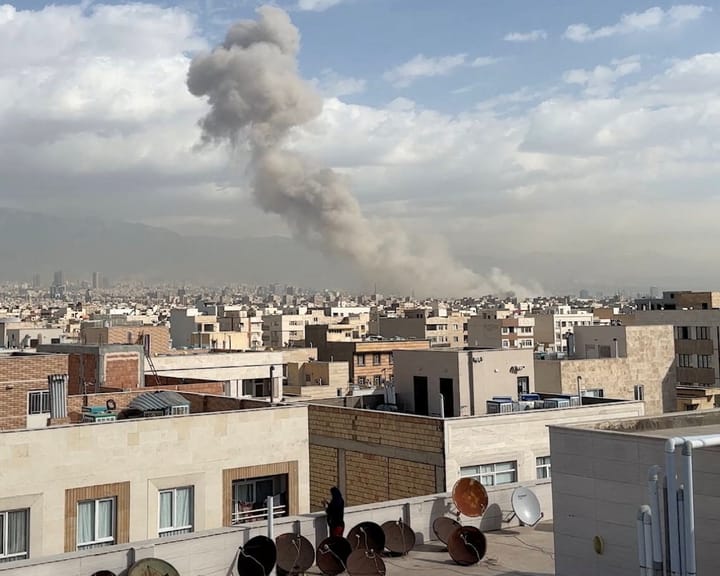
Infographic of US‑Israeli attacks on Iran and Tehran’s retaliation
The United States and Israel have declared the launch of an unprecedented joint operation against Iran, beginning with an extensive bombing campaign intended to bring about regime change.
Israeli aircraft and American missiles hit hundreds of sites throughout Iran, prompting residents to flee major cities in panic. Among the targets
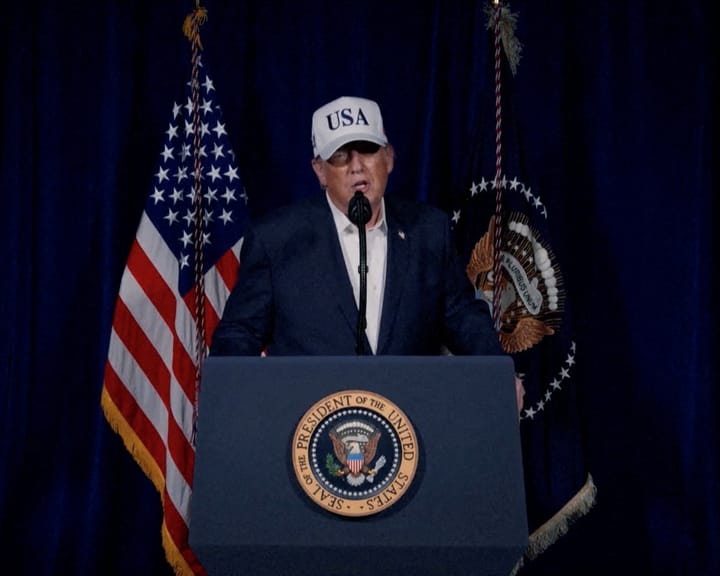
US lawmakers denounce Trump’s Iran strikes as unauthorized acts of war by Congress
Donald Trump’s inability to persuade the American public of the need to strike Iran, followed by an operation that proceeded without informing Congress’s principal national‑security advisers – the “gang of eight” – has sparked intense domestic criticism of the military action against the Islamic Republic on Saturday.
Despite the

France, Germany and the UK call on Iran to negotiate a solution after the attack
European leaders have called on Iran to pursue a “negotiated solution” as they work to halt the escalation of conflict involving the United States, Israel and Iran through diplomatic channels. They also stressed that they were not involved in the recent strikes.
In an uncommon joint communiqué, the heads of