
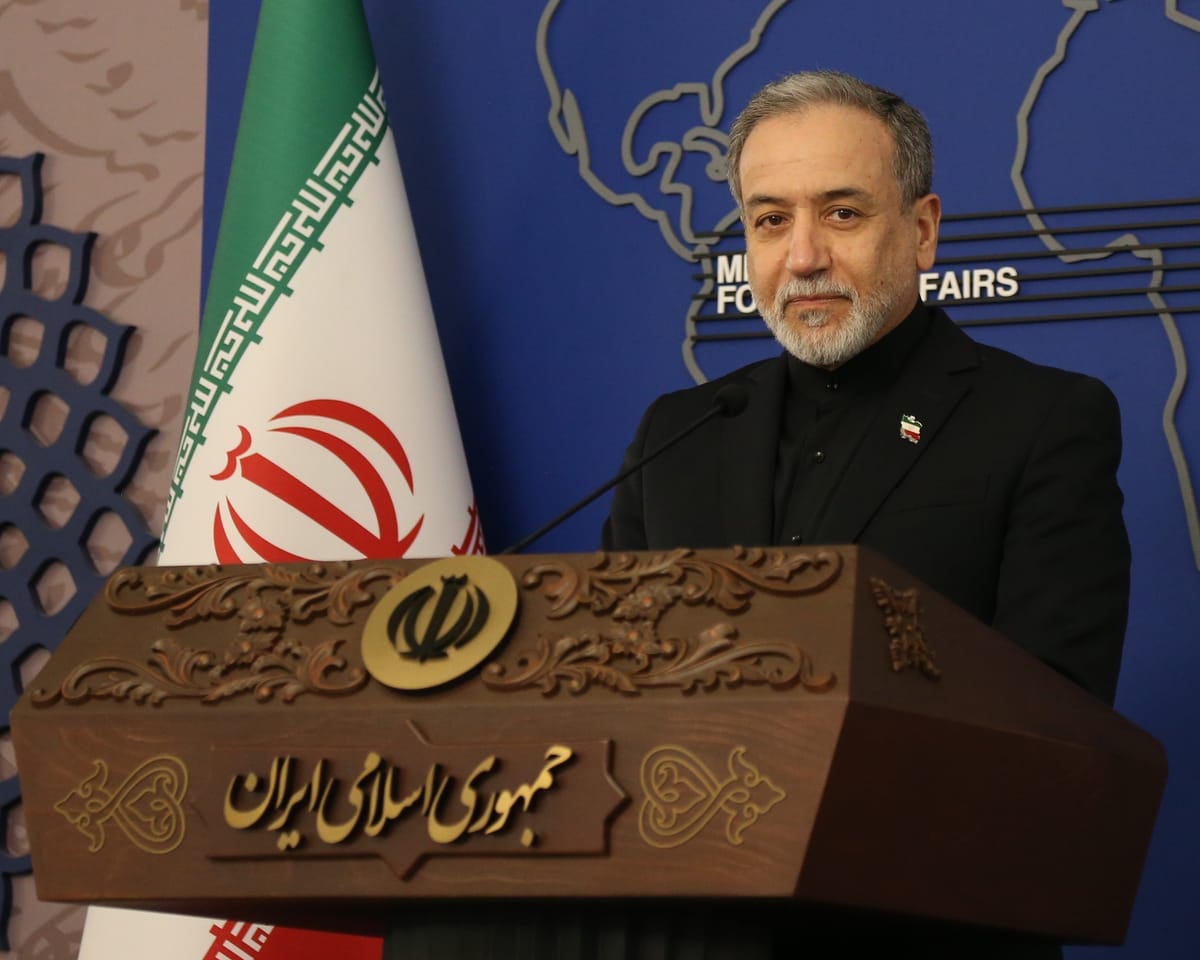
Iran’s foreign minister has alleged that certain Gulf nations hosting American troops may be secretly fostering the killing of Iranians, framing it as a veiled criticism of Saudi Arabia.
Abbas Araghchi called for clarification regarding reports that Crown Prince Mohammed bin Salman was holding frequent private talks with Donald Trump, urging the U.S. leader “to keep pressuring the Iranians vigorously”.
Araghchi was reacting to the second U.S. media story this week suggesting that the Saudi prince’s public denouncement of American strikes on Iran did not match his private stance.
“Positions must be clarified without delay,” he wrote on X, after noting that hundreds of civilians, including over 200 children, had perished in U.S.–Israeli attacks.
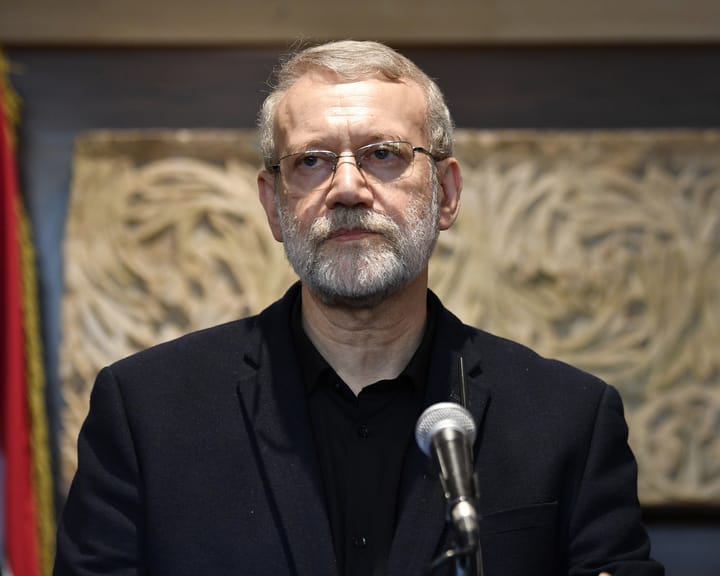
Ali Larijani, secretary of Iran’s supreme national security council, addressed Muslims in the Gulf, asking them to consider which side they support in the conflict and why no Islamic nation has stood with the Iranian populace.
Justifying Iran’s retaliatory actions against Gulf states, he asked: “Are we expected to remain passive while U.S. bases on your soil are used to strike us? The current clash pits America and Israel against a Muslim Iran and its resistance forces.”
The cautions arrived as Iranian operations intensified on Monday, with drone assaults launched in Bahrain, Saudi Arabia, Qatar and the United Arab Emirates—one of the broadest campaigns since hostilities began.
Iran also pledged to keep the Strait of Hormuz shut indefinitely to “adversaries and their supporters,” amid indications that the Islamic Revolutionary Guard Corps (IRGC) is tightening its hold after the appointment of hard‑line veteran Mohsen Rezaee as military adviser to Supreme Leader Mojtaba Khamenei.
Rezaee, who commanded the IRGC for sixteen years, was a prominent figure during the brutal Iran‑Iraq war.
He asserted over the weekend that a cease‑fire should not be considered until the United States withdraws its bases from the region.
His placement reinforces the dominance the IRGC has secured following the recent elevation of Khamenei.
Iran’s death toll is approaching 1,500 after neighborhoods throughout Tehran endured one of the heaviest bombardments since the conflict’s outset, damaging the power grid and causing temporary outages in the city’s eastern districts.
Tehran’s mayor, Alireza Zakani, reported that the capital has endured 13,000 individual attacks, accounting for more than half of all strikes on Iran.
Sections of the Tehran subway system have been halted.
Censorship within Iran, including an internet shutdown, has intensified over the last two days, rendering many newspapers and Telegram channels largely unreachable.
During his regular morning briefing, foreign‑ministry spokesperson Esmail Baghaei said that “vessels from nations not participating in the war are permitted to pass through the strait.”
Read next
Live Middle East crisis: Iran promises retaliation for security chief's death; Israel hints at imminent strike on Beirut
Iran’s armed forces pledged retaliation for the death of security chief Ali Larijani in an Israeli strike, with the army commander warning of a “decisive and regrettable” response.
Tehran also verified that Basij commander Gholamreza Soleimani was killed, after Israel had earlier asserted that its forces carried out the
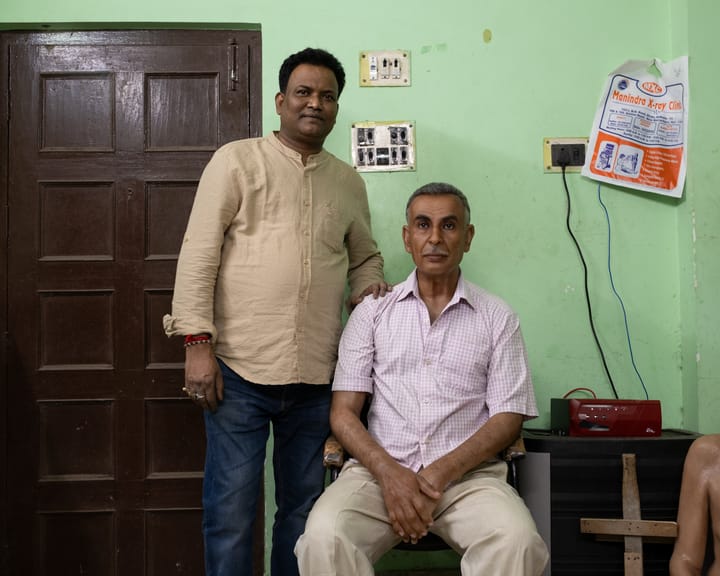
‘Almost human’: life-size replicas of the dead aid broken hearts in India
In northern Kolkata, close to Dum Dum Junction, Subimal Das and a team of about 80 operate out of an aging factory‑warehouse. With clay, fiberglass and silicone they produce life‑size copies of religious deities, cultural personalities, cricketers and film actors.
The workshop also offers a growing service: bespoke
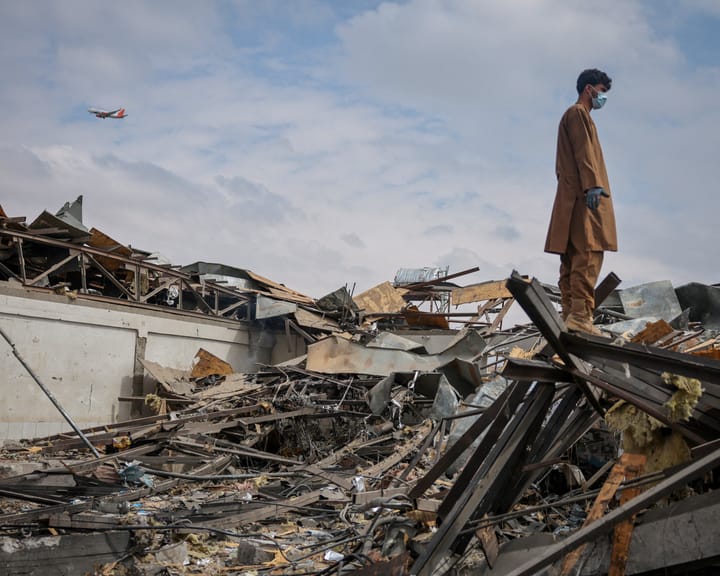
Witnesses say “Everything and people were burning” after strike on Kabul drug rehab centre.
Eyewitnesses and survivors have recounted the dreadful aftermath of a Pakistani air strike that struck a drug‑rehabilitation centre in Kabul, leaving more than 400 people dead, many of whom burned in their beds or were crushed as the structure collapsed.
Afghan rescue teams continued to pull bodies from the