

Israel launched another series of strikes on Tehran and Beirut as Iranian missiles continued to head toward Israel and the Gulf, marking the fifth day of the conflict with Iran.
Explosions rang out across Tehran in the early hours of Wednesday after the Israeli defence forces announced “broad‑scale strikes” on targets linked to the Iranian regime. Police stations and headquarters of the Iranian Revolutionary Guard Corps (IRGC) in the Kurdish areas of north‑western Iran were also hit, Kurdish media reported.
Iran’s death toll rose sharply, with estimates of those killed by the attacks ranging from 800 to 1,500 people over the five‑day war.
U.S. and Israeli officials said the campaign was progressing better than they had anticipated, though the ultimate objective remained unclear as their statements offered conflicting aims. The U.S. administration has at various times cited regime change, the destruction of Iran’s ballistic‑missile capability and navy, the prevention of a nuclear weapon, and the curtailment of support for regional proxies as goals.
President Donald Trump noted that some of the individuals he had been considering as possible post‑war leaders of Iran were killed in the opening days of the fighting. Regarding Reza Pahlavi, the exiled son of the late shah, Trump said he preferred “someone from within” Iran.
In Iran, funeral rites for the late supreme leader Ayatollah Ali Khamenei began in Tehran on Wednesday morning. Khamenei’s body, killed in U.S.–Israeli airstrikes on Sunday, is scheduled to be displayed for three days in a large compound in central Tehran for public viewing.
The funeral coincided with a meeting of senior clerics tasked with selecting a new supreme leader, a role that combines head‑of‑state duties with command of the country’s extensive military apparatus. Clerics reportedly favoured Mojtaba Khamenei, the 56‑year‑old son of Ali Khamenei and the preferred candidate of the IRGC.
Analysts describe Mojtaba Khamenei as a hard‑liner; his appointment would likely deepen the IRGC’s influence and reinforce the regime’s authoritarian response to domestic reform demands. Earlier in the year, widespread protests were suppressed by a harsh crackdown that left at least 7,000 dead.
Iran persisted in striking U.S. bases and facilities across the Gulf, targeting the U.S. embassy in Saudi Arabia and the consulate in the United Arab Emirates. Iranian drones and missiles also hit U.S. military radars and early‑warning systems in Bahrain and Qatar, marking unprecedented attacks on installations that have enjoyed near‑uncontested dominance since the first Gulf war.
Israeli officials reported that Iran launched missile barrages overnight and into the early morning, though most projectiles were intercepted and no casualties were recorded.
Read next
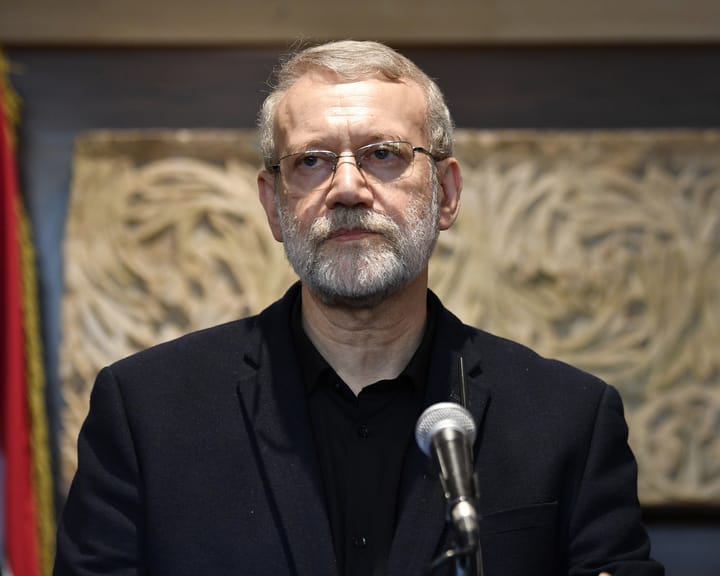
Live Middle East crisis: Iran promises retaliation for security chief's death; Israel hints at imminent strike on Beirut
Iran’s armed forces pledged retaliation for the death of security chief Ali Larijani in an Israeli strike, with the army commander warning of a “decisive and regrettable” response.
Tehran also verified that Basij commander Gholamreza Soleimani was killed, after Israel had earlier asserted that its forces carried out the
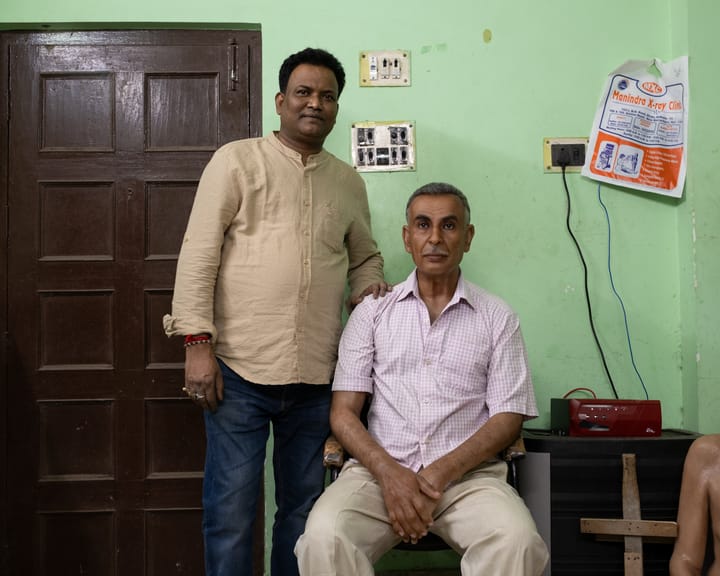
‘Almost human’: life-size replicas of the dead aid broken hearts in India
In northern Kolkata, close to Dum Dum Junction, Subimal Das and a team of about 80 operate out of an aging factory‑warehouse. With clay, fiberglass and silicone they produce life‑size copies of religious deities, cultural personalities, cricketers and film actors.
The workshop also offers a growing service: bespoke
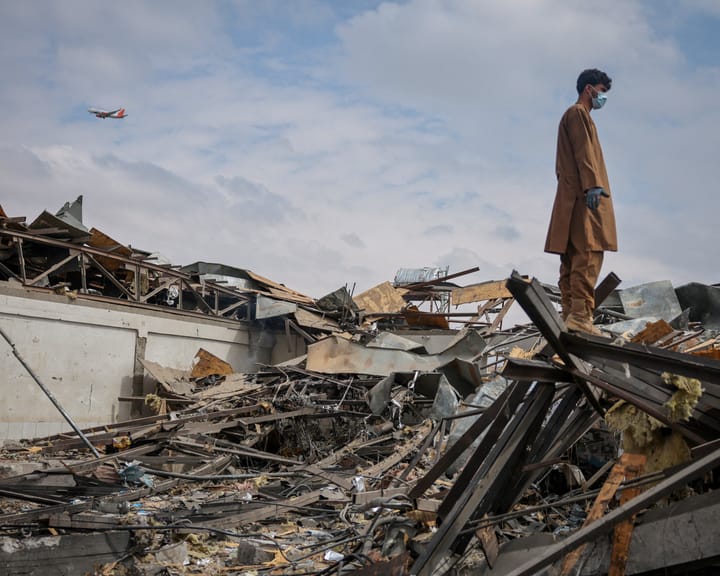
Witnesses say “Everything and people were burning” after strike on Kabul drug rehab centre.
Eyewitnesses and survivors have recounted the dreadful aftermath of a Pakistani air strike that struck a drug‑rehabilitation centre in Kabul, leaving more than 400 people dead, many of whom burned in their beds or were crushed as the structure collapsed.
Afghan rescue teams continued to pull bodies from the