
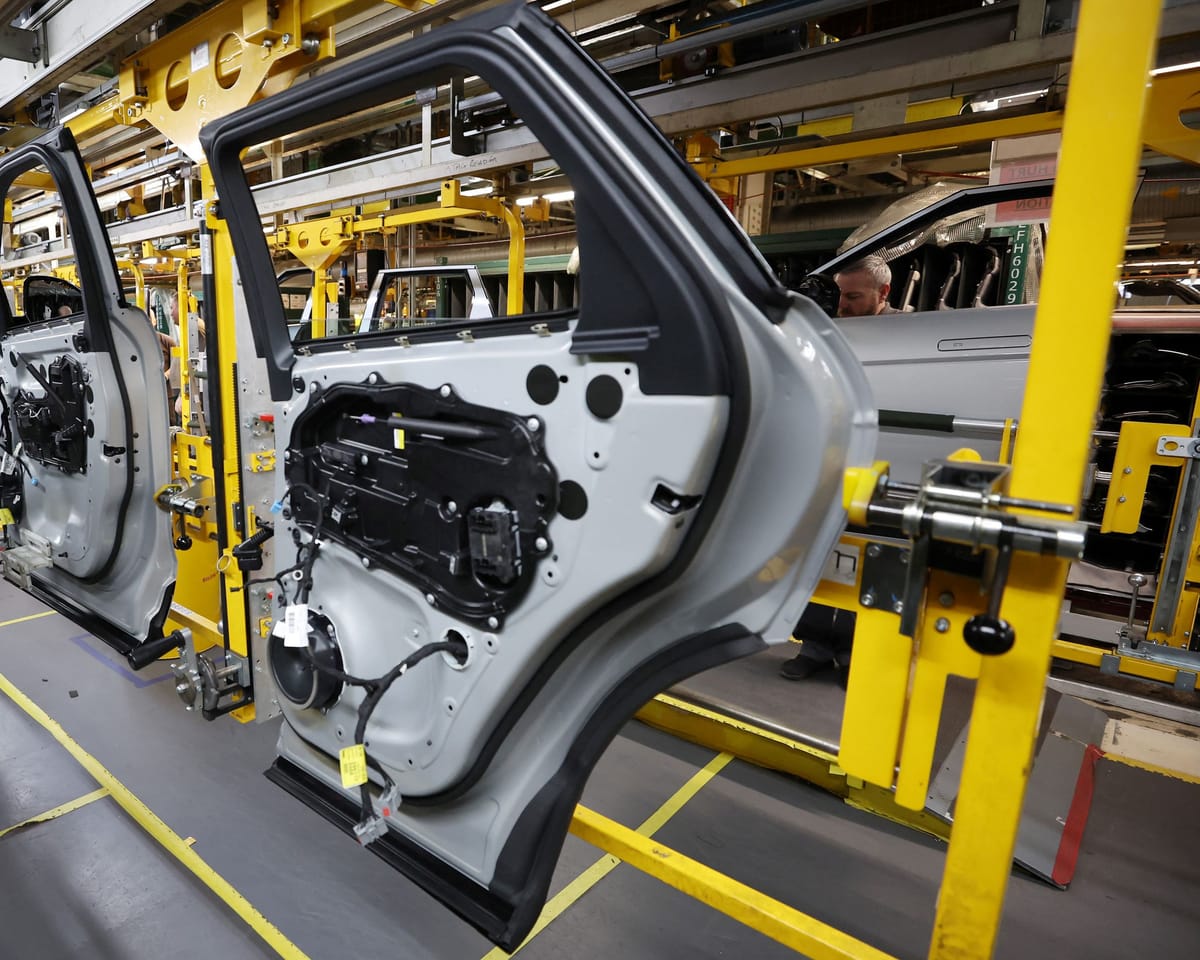
Jaguar Land Rover has confirmed plans to eliminate around 4,000 positions across its 34,000-strong UK workforce over the next two years, as the company contends with mounting pressures in the global automotive sector, US trade tariffs, and the lingering impact of a cyber-attack.
The carmaker, owned by Indian conglomerate Tata, announced the reductions on Monday as part of a strategy projected to generate £1.7bn in savings. The move equates to roughly 12% of its UK staff and presents an early test for Prime Minister Andy Burnham and his pledge to "reindustrialise" Britain.
JLR has reported a sharp decline in profits, attributed to fierce competition in the worldwide car market, tariffs imposed by the Trump administration, and last year's hack that forced temporary factory closures.
Chief executive PB Balaji stated: "The automotive industry faces significant challenges, with technological change amidst intense competition and ongoing geopolitical uncertainty. Through our Growth Reimagined strategy, JLR is moving decisively to strengthen our competitiveness and position the business for long-term success … As part of this transformation, we will reduce our global workforce by around 4,000 roles over the next two years. We recognise this will be difficult news for colleagues affected, and are committed to supporting everyone with care, fairness and respect."
Business minister Jonathan Reynolds has dismissed the prospect of government financial assistance to prevent the redundancies. Reynolds is scheduled to hold discussions on Tuesday with Balaji and Unite union general secretary Sharon Graham. Graham is likely to advocate for retraining and redeployment as alternatives to compulsory layoffs, should voluntary redundancies fall short.
Sources indicate the cuts will primarily affect senior management and research and development positions, rather than production line workers. Speaking on the BBC on Sunday, Reynolds confirmed that no bailout would be offered, though he suggested other measures could be explored to assist car manufacturers.
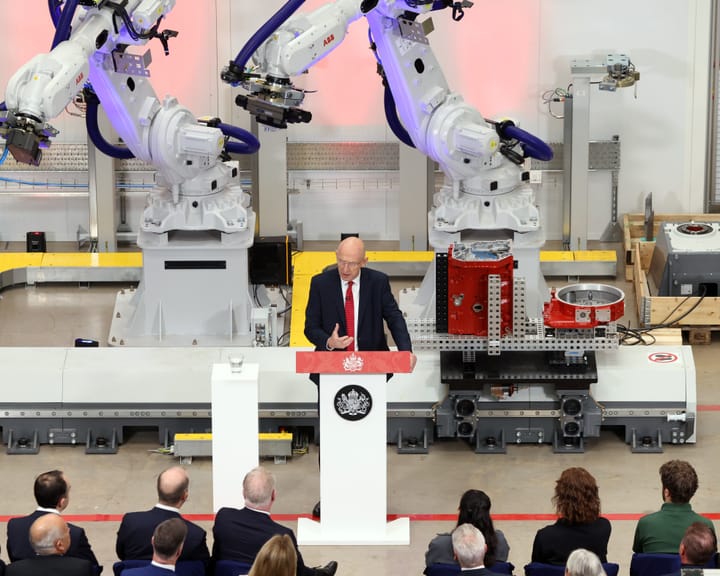
The announcement coincided with Chancellor John Healey's economic address at the Manufacturing Technology Centre in Coventry, near JLR's headquarters. Healey expressed his intention to "draw the line" under escalating business expenses.
The cyber-attack cost the company approximately £200m and contributed to pre-tax profits plunging to £14m, down from £2.5bn the previous year. The government agreed last year to underwrite a £1.5bn loan to support JLR's recovery, though the company has not utilised these funds.
JLR has also grappled with reduced US sales of models including the Range Rover and Defender following the introduction of tariffs. Trump initially imposed 27.5% tariffs on British vehicles before reducing them to 10% as part of a trade deal announced at JLR's Solihull plant.
Balaji noted the restructuring would simplify the organisation and enable the company to break even on annual sales of approximately 300,000 vehicles, enhancing its ability "to compete in a rapidly evolving market."
The broader automotive sector has encountered difficult conditions as Chinese manufacturers expand their presence across the UK and Europe, with firms like Chery and BYD establishing manufacturing operations in these regions.
JLR's cuts follow similar announcements from Volkswagen, which disclosed plans last week to cut 50,000 positions as part of its own restructuring programme.
Read next
John Healey supports growth but insists Labour must be truthful about spending
John Healey has stated that his primary goal as chancellor will be to boost economic growth, while acknowledging that Labour must be straightforward about controlling public spending at next month's budget.
In his first major address since assuming the role in July, Healey said the leading focus of
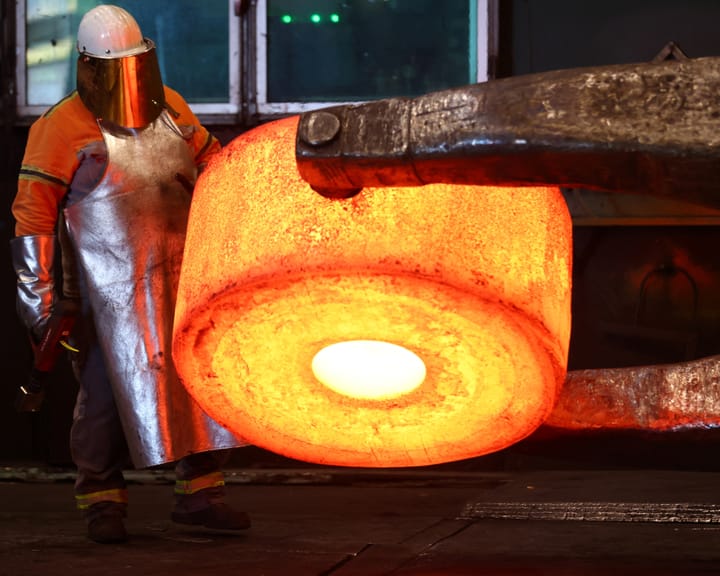
EU on brink as 300,000 factory jobs lost to China supply chain takeover, industry warns
Job losses in EU manufacturing will rapidly increase unless Brussels stops the “colonisation” of industry by Chinese component manufacturers, a leading industry trade body has warned.
Eurometal forecasts 300,000 job losses in manufacturing in the second half of 2026 because of expanding competition from China, which is now enjoying

German Startup Launches First Commercial Rocket from Europe into Space
Isar Aerospace, a German startup, has carried out the first commercial orbital rocket launch from continental Europe, representing a step forward for the continent's pursuit of independent space access.
The company announced on Sunday plans to accelerate satellite deployment efforts following the inaugural orbital flight of its uncrewed