
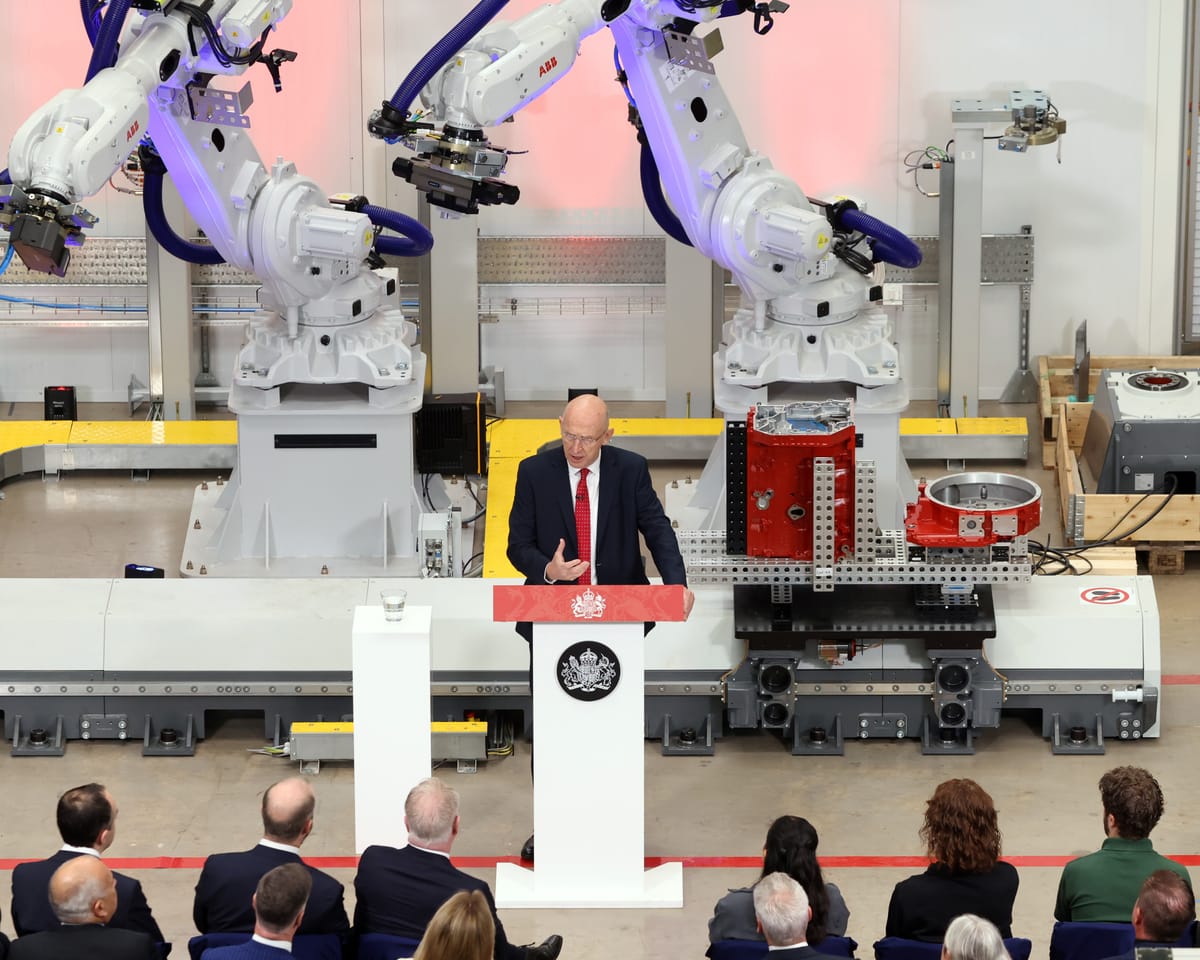
John Healey has stated that his primary goal as chancellor will be to boost economic growth, while acknowledging that Labour must be straightforward about controlling public spending at next month's budget.
In his first major address since assuming the role in July, Healey said the leading focus of his 28 October budget would be to foster stronger growth across the UK while maintaining the government's fiscal rules.
"I want to be the chancellor that gets things done and I want to see growth driven from more places across the UK," he said.
Against a backdrop of unsettled global financial markets, the chancellor said he and Andy Burnham were aligned in their commitment to meeting the government's self-imposed target to balance day-to-day spending with tax receipts by 2029-30.
With the public finances under pressure from increasing long-term bond yields, which reached an 18-year high last week, Healey argued that stronger growth was the most sustainable way to balance the books. However, he also indicated that his budget would require Labour to be candid about the need to control government spending.
Economists have warned the chancellor could be forced to increase taxes or cut spending in response to rising spending pressures and the economic consequences of the war in Iran, which has caused instability in global bond markets.
Seeking to address concerns in a speech to business leaders at a manufacturing centre in Coventry, Healey said Britain was continuing to pay a "Truss penalty" nearly four years after Liz Truss's mini-budget caused a collapse in the UK government bond market.
With Labour under pressure due to questions over Burnham's tax and spending priorities and as the UK carmaker Jaguar Land Rover, headquartered near the venue for his speech, announced plans to cut 4,000 jobs, Healey said maintaining fiscal discipline was important in an uncertain and volatile world.
"It makes our task in government harder. It makes the task of every business looking to invest much harder, too," he added.
Declining to discuss his tax and spending plans less than two months before the budget, Healey said he intended to stick to Labour's manifesto commitments not to raise taxes on working people. However, he indicated Labour was aiming to find savings from the welfare bill by taking steps to address rising youth unemployment.
"As the prime minister has said there is a need to bring down welfare costs. And most importantly for me we have to get more of Britain working again," he said.
The chancellor avoided questions on whether taxes would need to rise and also declined to respond to a suggestion from the British Chambers of Commerce that the government should scrap the pensions triple lock to help fund a cut in employer national insurance contributions for all under-25s to address rising youth unemployment.
The government is awaiting the findings of a review into youth worklessness by the former Labour cabinet minister Alan Milburn, which Healey said would "address this scar of youth unemployment".
Healey said there was a "moral duty" and a "fiscal duty" to supporting young people to find work.
"A person coming off benefits and into work saves the taxpayer money. And that becomes a win-win when those people start paying tax themselves," he said.
Healey said the budget would provide a roadmap for more devolution of tax and spending powers to regional mayors, including through the retention of business rates and a share of income tax.
Arguing that investment, innovation and jobs would form the backbone of his budget, the chancellor said turning the page on years of sluggish growth in the UK economy was his overarching mission in an agenda that would include raising government investment and cutting business red tape.
"[We are] deeply concerned about the cost of living and cost to business. In the long run the only way that you deal with that is greater growth. I put growth at the heart of my commitment. This is my mission as chancellor," he said.
Read next
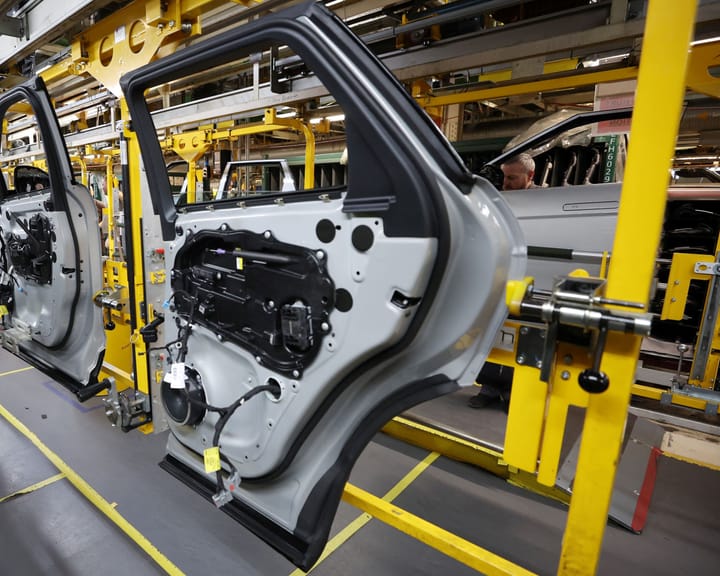
Jaguar Land Rover announces 4,000 job cuts to be implemented over next two years
Jaguar Land Rover has confirmed plans to eliminate around 4,000 positions across its 34,000-strong UK workforce over the next two years, as the company contends with mounting pressures in the global automotive sector, US trade tariffs, and the lingering impact of a cyber-attack.
The carmaker, owned
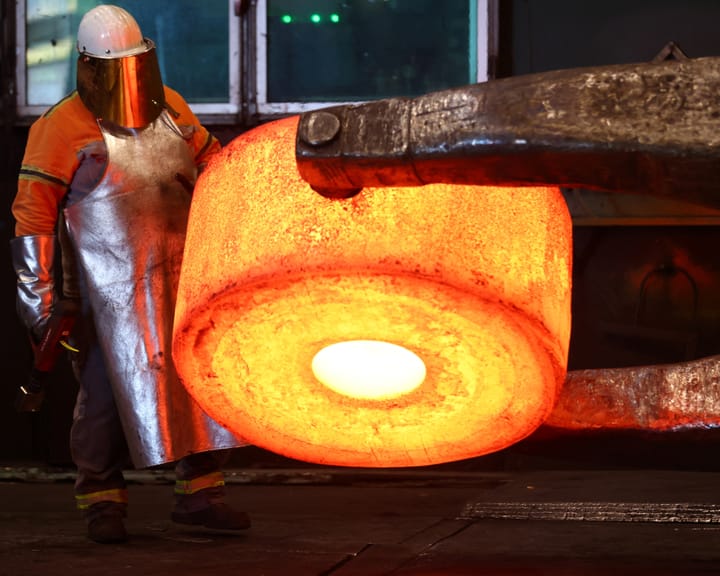
EU on brink as 300,000 factory jobs lost to China supply chain takeover, industry warns
Job losses in EU manufacturing will rapidly increase unless Brussels stops the “colonisation” of industry by Chinese component manufacturers, a leading industry trade body has warned.
Eurometal forecasts 300,000 job losses in manufacturing in the second half of 2026 because of expanding competition from China, which is now enjoying

German Startup Launches First Commercial Rocket from Europe into Space
Isar Aerospace, a German startup, has carried out the first commercial orbital rocket launch from continental Europe, representing a step forward for the continent's pursuit of independent space access.
The company announced on Sunday plans to accelerate satellite deployment efforts following the inaugural orbital flight of its uncrewed