
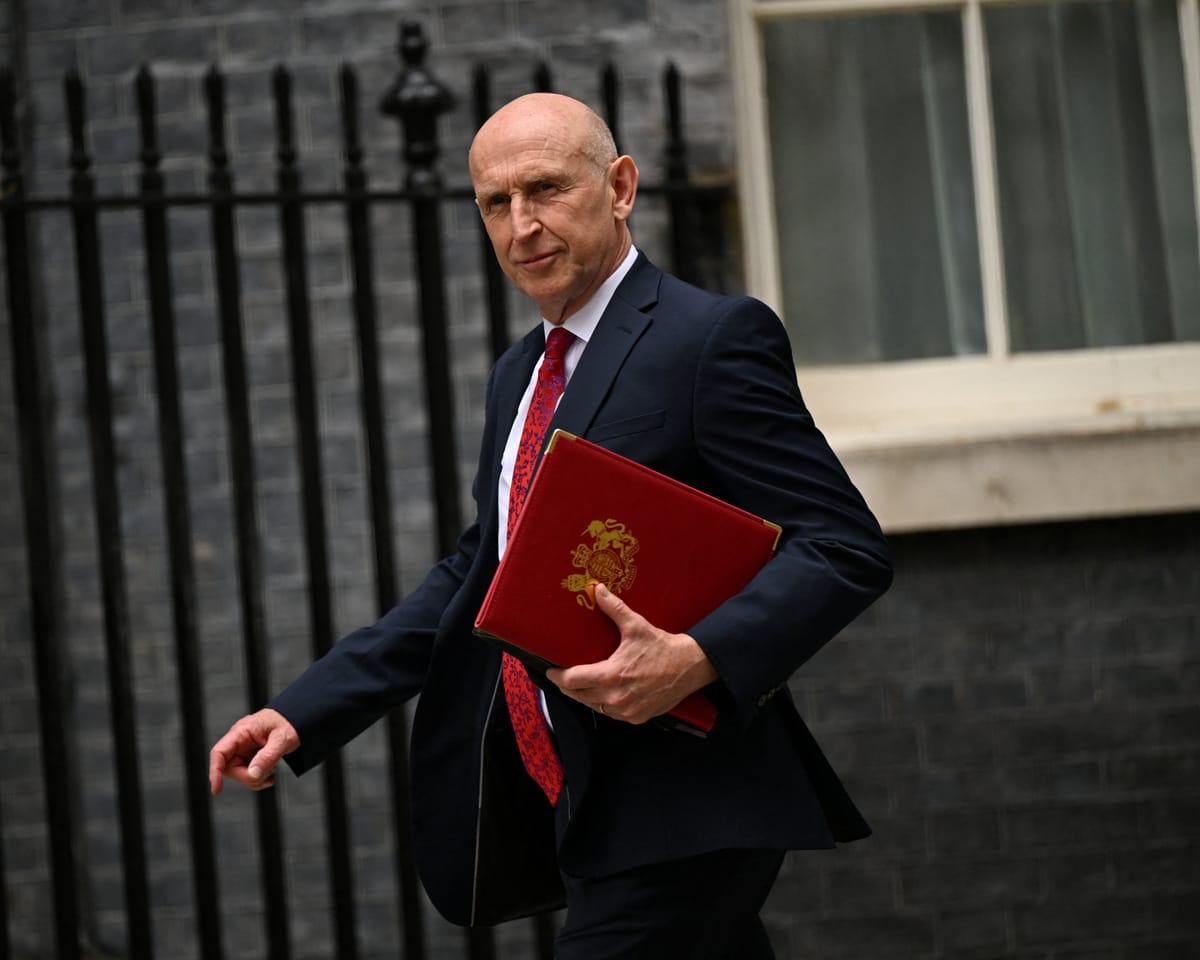
The Chancellor has indicated that the UK will face a difficult budget next month due to the conflict in the Middle East.
In an interview with the Financial Times, John Healey said the war in Iran would likely have a strong influence on his first budget on 28 October.
Healey, who succeeded Rachel Reeves when Andy Burnham became Prime Minister in July, told the newspaper he wanted to ensure the country had a solid "buffer against uncertainty" amid increasing global instability.
However, economists have predicted that Healey will need to raise taxes or implement significant cost-cutting measures to protect the £24bn fiscal headroom that Reeves had after her March statement.
"What's happening in the Middle East is hitting inflation, it's hitting growth, it's hitting borrowing costs," Healey said. "It's part of a more dangerous world that is more uncertain and it's one of the challenges we have to meet in this country, but have to meet with other [countries]."
Healey declined to say how much headroom he aimed to have, but insisted he and Burnham were "in lockstep in our determination to meet the fiscal rules."
The newspaper said he planned to stick to Labour's 2024 manifesto pledges not to raise taxes on "working people", such as income tax, national insurance contributions or VAT, and was also not expected to raise the rate of corporation tax.
The public finances are under pressure from soaring global bond yields, which hit an 18-year high earlier this week. Bond yields have a significant impact on government spending plans, as higher yields drive up borrowing costs.
Healey has faced criticism for failing to commit to the goal of raising defence spending to 3% of GDP by 2030. In June, he resigned as defence secretary because he was unable to get the Treasury to commit to the target, in what was seen as a fatal blow to Keir Starmer's government.
Acknowledging tough economic conditions, Healey said: "The country's under pressure. People are under pressure with the cost of living. Households are feeling that. We're concerned about the cost of living, and we're concerned about the cost of business."
He also said he was committed to cutting the welfare bill. "We must cut the cost of welfare, we have to get more people back into work," he said. "I know that some of the decisions I must take – and will take – will show the benefits in years to come."
Jim O'Neill, the cross-bench peer and economist who advised Burnham as he prepared to enter Downing Street, has suggested that the prime minister could reassure the bond markets by taking "credible actions" to rein in the "excesses" of welfare spending and the pensions triple lock.
Speaking to Times Radio earlier this week, he said: "If you have the markets carrying on doing what they're doing globally … eventually they're going to have absolutely no choice [but to cut spending] because the penalty of the debt servicing cost and the knock-on effect to other markets including mortgage rates will be too severe for a government to resist."
The triple lock, introduced in 2010, means that state pension increases annually in line with inflation, average wage growth or 2.5% – whichever is highest. It has led to an increase of about £16bn in the state pension bill.
On Saturday morning, Jonathan Cribb, deputy director of the Institute for Fiscal Studies, told BBC Radio 4's Today programme that the government could consider an Australian-style system.
He suggested that the state pension could increase in line with workers' earnings, with an inbuilt "temporary lock" to safeguard against a decline in average wages due to recession or high inflation.
"It's a reasonable way to increase the state pension over the long run that's not as expensive but still generates increases," he said.
Reform UK has said it would cut £80bn of public spending within five years by reducing welfare payments, net zero investment and overseas aid. Speaking at the party's annual conference in Birmingham, its economic spokesperson, Robert Jenrick, also pledged to reduce the number of civil servants.
Read next
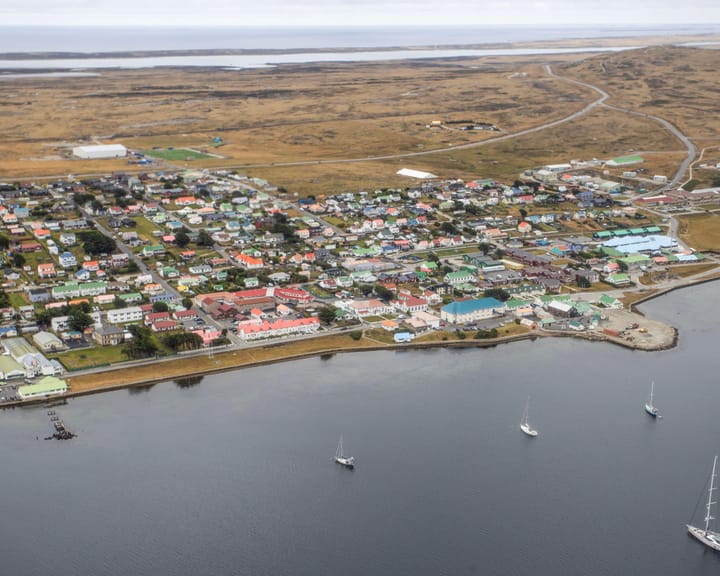
Falklands dispute highlights urgency of meeting 3% defence spending target, warns Labour defence committee chair
Labour defence committee chair urges Burnham to raise military spending amid Falklands threat
Tan Dhesi, the Labour chair of the defence committee, has argued that comments by Argentinian president Javier Milei this week regarding the Falkland Islands demonstrate why the government should raise military spending to 3% of GDP by

Burnham's English devolution push faces catastrophic dangers, warns Phillip Inman
Devolution in England is going to be difficult and drawn-out, and carries enormous dangers that Andy Burnham overlooks at his own risk.
The prime minister’s devolution agenda will be messy because Whitehall’s deep-rooted reluctance to hand over money and power will result in fragmented agreements, beginning

Chancellor faces dilemma amid tensions with Burnham's ambitious plans at No 11
Until now, Andy Burnham has been a fortunate prime minister. In office for just over six weeks, no major domestic crisis derailed his plans over the summer, Reform has been on the back foot, and he arrived back at Westminster with his personal approval ratings climbing and optimism undampened.
But