

Digital ID Proposal Sparks Debate in the UK
Keir Starmer has described digital ID cards as a significant opportunity for the UK, even as the government prepares for pushback over concerns about civil liberties.
On Friday, the prime minister will detail the measures at a conference focusing on how progressive leaders can address key national issues, including public concerns about immigration.
The proposed “Brit card” would require new legislation and has already drawn criticism from groups worried about privacy risks. Responding to these concerns, Culture Secretary Lisa Nandy emphasized that the government has “no intention of pursuing a dystopian mess.”
Starmer stated: “I understand the worries people have about illegal migration. A secure border and controlled migration are reasonable expectations, and this government is taking action.”
“Digital ID presents a major opportunity for the UK. It will make it harder to work here illegally and strengthen border security. It also offers practical benefits, like faster access to essential services without needing outdated documents.”
In an article for the Telegraph, the prime minister noted that his party had previously avoided confronting immigration concerns but now considers it necessary to address all aspects of illegal migration. He argued that while immigration is a serious issue, the approach taken by Reform UK is “toxic.”
Critics, however, remain opposed to the idea. Silkie Carlo of Big Brother Watch warned that digital IDs could turn the UK into an “unBritish checkpoint society,” raising risks of mass surveillance and data vulnerability.
“Digital IDs won’t stop small boats but will erode freedoms, creating a system that could expand into benefits, healthcare, and even online data,” Carlo said. “Sensitive personal information would be stored by the state and at risk of cyberattacks. Many will refuse to comply, and the financial cost could be enormous—along with the threat to liberty.”
Reform UK dismissed the plan as a “cynical ploy” to appease voters, while Conservative leader Kemi Badenoch called it a “gimmick” that won’t solve migration challenges.
Earlier this year, reports indicated that Downing Street was considering digital ID proposals.
Read next

Badenoch returns to Conservative conference, markedly stronger than a year ago
A year ago, Tory MPs feared a fresh leadership revolt against Kemi Badenoch as Tories hit historic 14-16% support; November, after 12 months, was hushed: decisive challenge month. Yet, despite poor polls, “Keminisation” saw her impose style and authority.
More in Common’s Luke Tryl, director, said Badenoch holds

UK sanctions plan on illegal Israeli settlements faces criticism from US, Israel and British MPs
Today, with the agreement of Prime Minister Netanyahu, Israeli officials announced a series of countermeasures in response to new sanctions declared by the British foreign secretary of the Labour government, following a sequence of anti-Israel decisions by the same administration.
The accusations leveled today by the Labour foreign secretary,
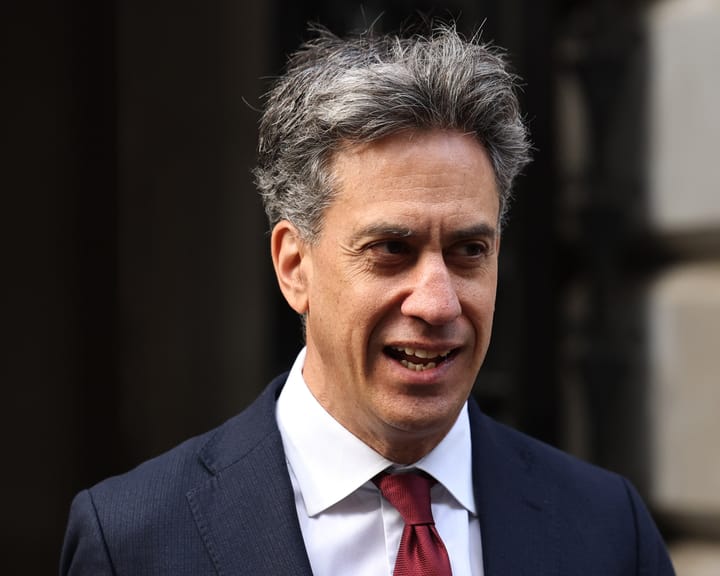
UK announces trade ban on Israeli settlements as tougher stance
Ed Miliband will announce a broad reset of the UK’s relations with Israel on Tuesday, pledging a more active stance in support of the Palestinian cause. In an intervention drawing fierce criticism from the US and Israel, the foreign secretary will impose a ban on trade in goods and