
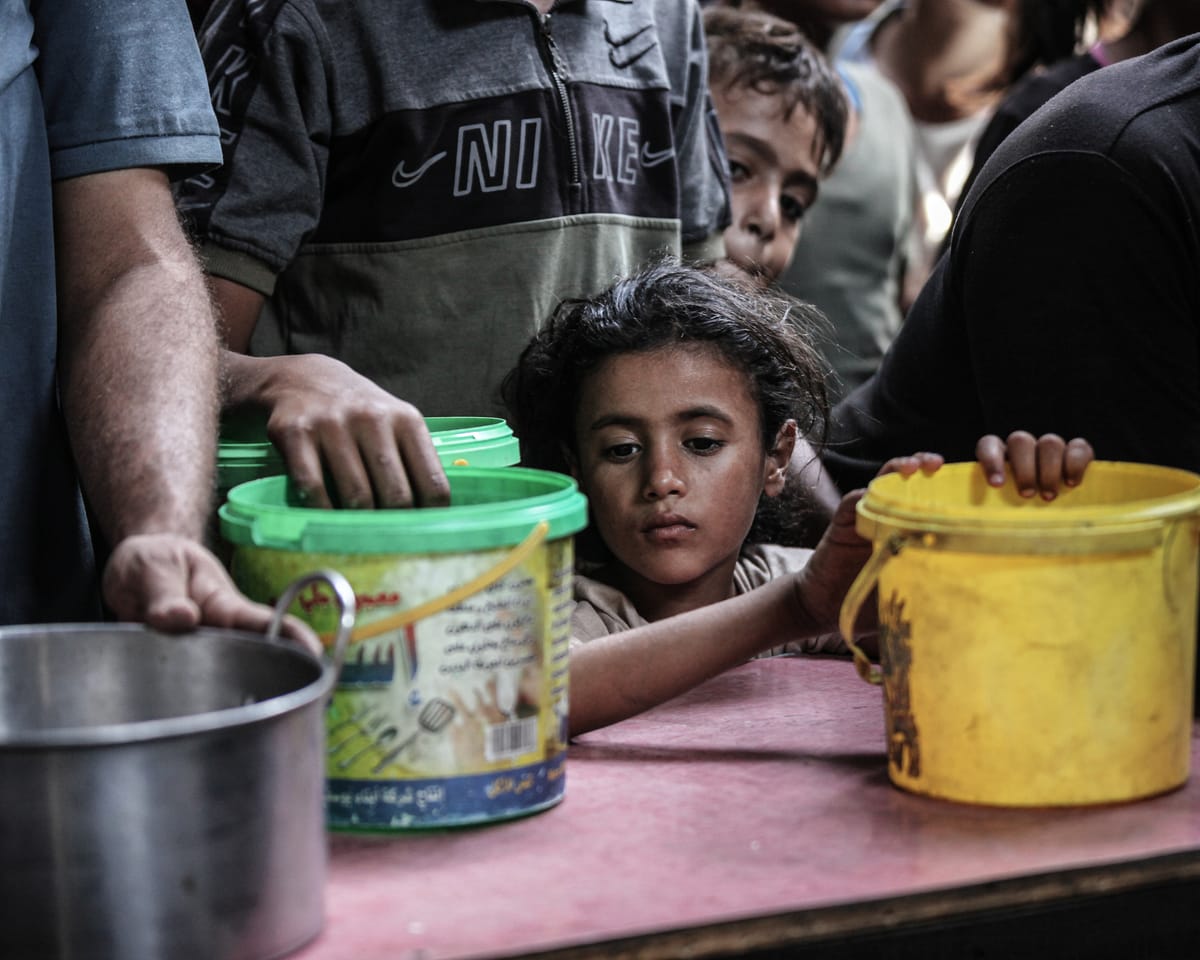
An estimated 55,000 children in Gaza are suffering from acute malnutrition, a number far higher than previously identified cases of the life-threatening condition, according to a study published in *The Lancet*, a well-regarded international medical journal.
The research, released on Wednesday and conducted by the UN Relief and Works Agency for Palestine Refugees (UNRWA), provides a month-by-month analysis through much of the two-year conflict. For the first time, it establishes a direct connection between restrictions on aid entering Gaza and rising malnutrition levels among children.
Israeli officials have consistently rejected accusations of causing food shortages, stating that sufficient supplies are allowed into the territory and questioning the efficiency of humanitarian organizations operating there.
The findings emerge as indirect negotiations between Hamas and Israel in Egypt offer cautious hope for an end to the war.
A proposed 21-point plan, discussed last week in Sharm el-Sheikh, outlines a ceasefire, the release of hostages still held by Hamas, and a substantial increase in aid to Gaza, ensuring "unhindered delivery through the UN, its agencies, and the Red Crescent."
Dr. Akihiro Seita, UNRWA’s health director and a co-author of the study, warned that without an immediate halt to hostilities and the establishment of "unrestrained, effective international humanitarian support," more malnourished children would perish.
The study highlights the devastating nutritional impact of two years of conflict on Gaza’s children. Researchers analyzed arm circumference measurements from 220,000 children aged six months to five years between January 2024 and August 2025, when a UN-backed panel declared famine in parts of Gaza.
Initial screenings in January 2024 showed 5% of children exhibited signs of wasting—a figure that rose to nearly 9% six months later. After Israel intensified aid restrictions in late 2024, cases nearly doubled by January 2025.
A six-week ceasefire allowed more aid to enter, significantly reducing malnutrition rates before a strict 11-week blockade was imposed in March. Though eased in May 2025, the restrictions led to a sharp rise in wasting, affecting nearly 16% of screened children—almost a quarter of whom suffered from severe acute malnutrition, the most critical form of the condition.
The study estimates that across Gaza’s population, more than 54,600 children under six require urgent nutritional and medical care, including 12,800 severely malnourished cases.
Israel has accused Hamas of diverting aid shipments but has not substantiated claims of large-scale theft. The Israeli agency coordinating aid entry into Gaza, COGAT, has also alleged that Hamas deliberately obstructs distribution efforts.
Read next
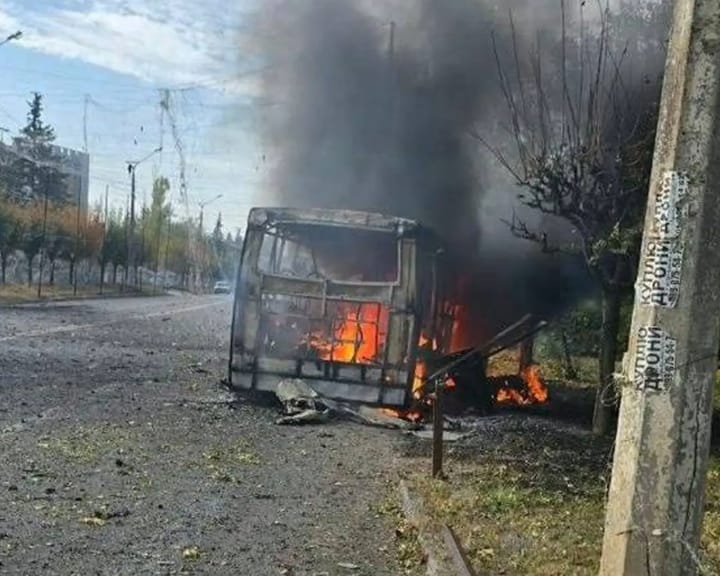
Russian Assault on Buses Near Ukraine Border Results in 30 Deaths
Thirty people have been killed and eighteen injured following an attack by Russia on two passenger buses in Kramatorsk, near the frontline in eastern Ukraine, according to local authorities.
The Donetsk regional prosecutor's office reported that the death toll from the morning attack on the buses had reached

Ethiopia Conducts Drone Strike on Eritrean Forces in Tigray Region
Eritrean forces reportedly crossed into Ethiopia's Tigray region and faced drone attacks from Ethiopian government forces, raising concerns about the potential for a broader regional conflict between the two neighboring countries.
Military vehicles transporting soldiers crossed the southern border of Eritrea into Tigray on Wednesday, reaching Adigrat, approximately

Israel Advances Film Resembling NAZA Documentary
The Israeli government is promoting an online film project designed to counter the findings of the award-winning documentary NAZA, which details Israel’s mass killings of civilians in Gaza. NAZA, directed by Oscar-winning filmmakers Yuval Abraham and Rachel Szor, is currently in cinemas and will be shown in