
London Stock Market Faces Risk of Decline Without Reforms, Report Warns
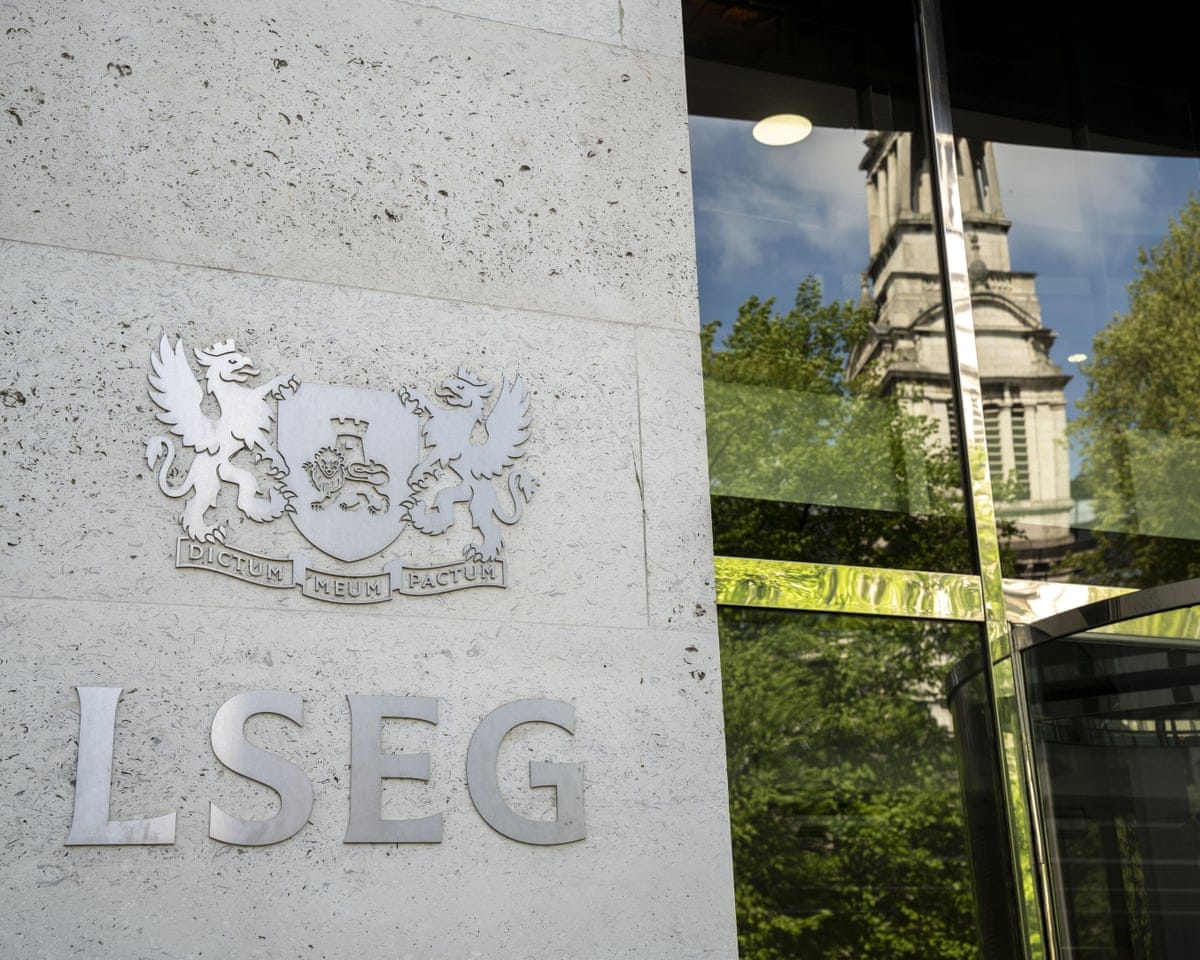
The London stock market could "drift into irrelevance" without government and regulatory changes, including tax incentives for public listings and adjustments to executive pay rules, according to a report from a leading business organization.
The Confederation of British Industry (CBI), which represents UK businesses, outlined 20 proposals aimed at revitalizing the London Stock Exchange. The recommendations focus on financial measures and governance adjustments to strengthen the market, which has seen a decline in listings and a shift of companies to international competitors.
"With domestic capital moving away from UK equities, a slowdown in new listings, and high-growth firms increasingly seeking funding abroad, the UK faces a critical moment for its public markets," the CBI stated.
The report argued that tax incentives could encourage more companies to go public. Making the costs of initial public offerings (IPOs) tax-deductible would allow businesses to retain more funds for growth, the CBI suggested.
"IPOs are complex and expensive, with uncertain outcomes. The inability to deduct these expenses lowers net proceeds for companies, potentially discouraging listings," the report noted.
Concerns over the London market intensified last week after reports that AstraZeneca’s CEO, Pascal Soriot, had considered moving the pharmaceutical giant’s listing to the US.
The CBI's report also highlighted an opportunity for Britain to attract companies hesitant about US market volatility. With unpredictable policies in the US, London could become a more appealing destination for secondary listings, particularly for firms wary of American regulations.
"While Asian markets are expanding rapidly, London can serve as an alternative for companies seeking supplemental listings, especially as some grow cautious about US oversight," the report added.
The findings come ahead of Finance Minister Rachel Reeves’s upcoming speech outlining the government’s financial services strategy. Expectations include potential reforms to savings regulations, pension investments, and further deregulation to boost economic growth.
The CBI also urged a review of corporate rules to stimulate the London market, including revising restrictions on bonuses for non-executive directors. Current UK governance codes prohibit such payments to maintain impartiality, but the report argued that these limits may discourage risk-taking in boardrooms.
Without these changes, the CBI warned, London risks losing its competitive edge in global financial markets.
Read next

Jaguar Land Rover suppliers voice ‘everything is against us’ amid cutbacks
David Roberts, chair of Coventry-based Evtec, says the outlook for Britain’s automotive sector is grim, with “everything against us.” Evtec is a tier 1 supplier to Jaguar Land Rover, which this week announced 4,000 job cuts over two years despite chancellor John Healey’s attempt to talk

Europe’s fighter jet plans in disarray: what comes next?
When former ECB president and Italian PM Mario Draghi urged Europe to catch up economically with the US and China, defence collaboration was prescribed. No more should each nation build independent boats, tanks or jets; allies should share costs and technologies.
Europe stumbled at the first hurdle. German Chancellor Friedrich

John Healey supports growth but insists Labour must be truthful about spending
John Healey has stated that his primary goal as chancellor will be to boost economic growth, while acknowledging that Labour must be straightforward about controlling public spending at next month's budget.
In his first major address since assuming the role in July, Healey said the leading focus of