
The lights faded as the audience at Vicar Street, a Dublin concert hall, turned their attention to the stage.
The host exchanged sharp remarks about Ireland’s leadership, though the crowd needed little encouragement—the energy in the room was already high. Soon, they erupted into a chant. “I say Catherine. You say?”
The reply was deafening. “Connolly!”
Unless there is an unexpected shift, Catherine Connolly, a figure unknown to many in Ireland just months ago, is poised to win the presidential election on Friday and take office as the country’s next leader.
Growing frustration over housing shortages and living costs, missteps by the governing coalition of Fine Gael and Fianna Fáil, an unusually united opposition, and skillful social media engagement have positioned Connolly as a force for transformation.
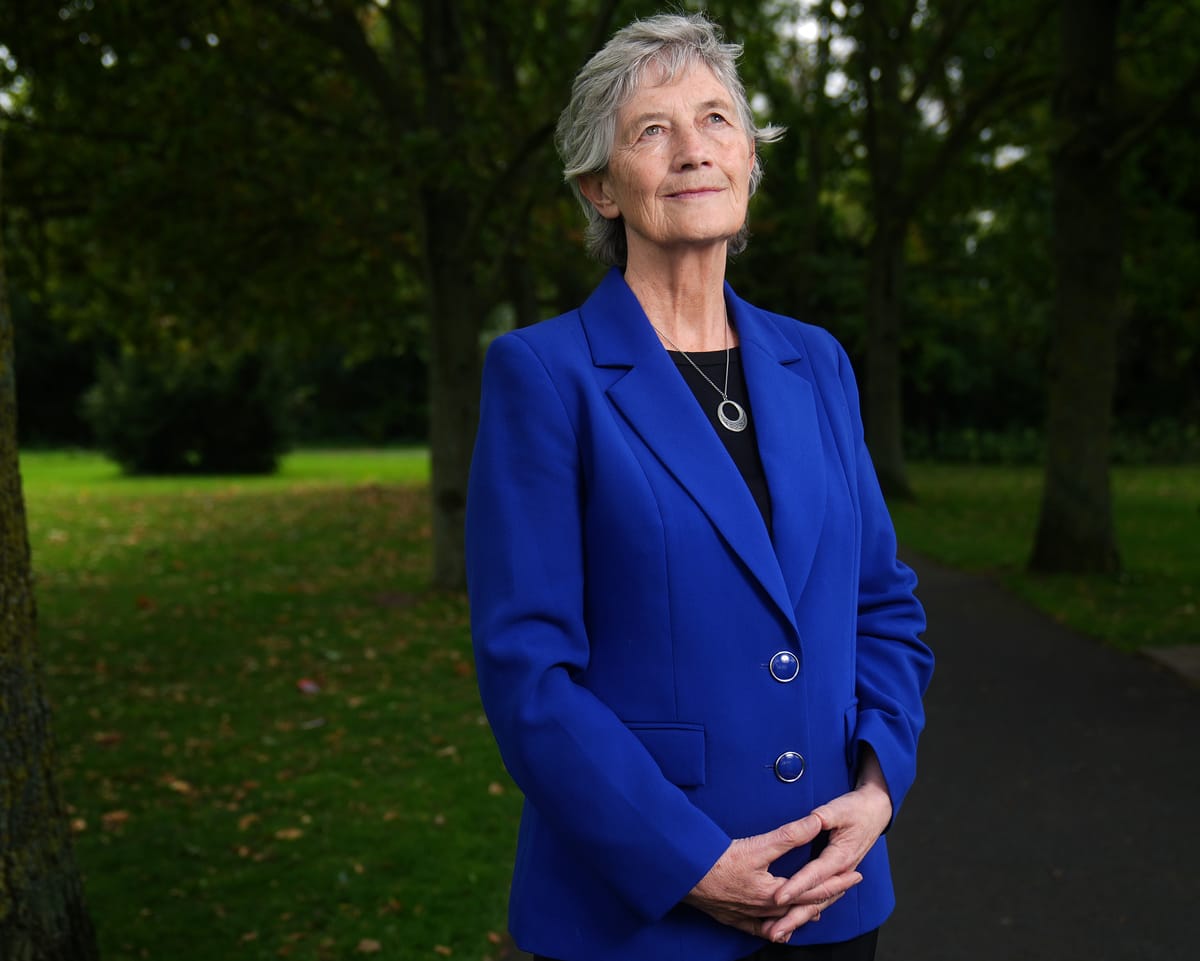
At Monday’s event, the left-leaning independent candidate stepped onstage—her silver hair stark against her dark attire, a quiet smile on her face.
As the cheers died down, she spoke first in Irish, then English. “What we have accomplished together is beyond measure.”
Her tone was gentle, her accent distinctly from Galway. “We want a republic we can take pride in—one that rejects the acceptance of war crimes, ignores homelessness, or tolerates endless waiting lists. But tonight is for celebration.”
The crowd and performers, including Christy Moore and the Mary Wallopers, obliged, turning the night into a raucous mix of folk music, rebellious spirit, and political passion that resembled a victory rally.
Polls show Connolly, 68, leading comfortably over her establishment opponent, Heather Humphreys, in the race to become Ireland’s 10th president, succeeding Michael D Higgins.
“She represents something new—a different way of thinking,” said Cian Murray, 22, an environmental science student in attendance. Hannah McGinley, 25, from Donegal, added, “The current leadership has let us down. Young people are leaving. All my friends are in Canada or Australia. When I go home, the place feels empty.”
The possibility of Connolly occupying Áras an Uachtaráin for seven years excites some—including the rap group Kneecap—but leaves others uneasy. Nearly half of voters feel disconnected from both candidates, raising worries about low participation and a high number of invalid votes.
Though the presidency is largely symbolic, critics fear Connolly’s views may strain ties with European allies. She has criticized NATO, likened Germany’s military spending to pre-war eras, opposed EU treaties, and described Hamas as “woven into Palestinian society.” Observers have drawn parallels to Jeremy Corbyn.
Born in Shantalla, a working-class area of Galway, Connolly lost her mother at nine, leaving her father, a carpenter, to raise the family.
Read next
Russian Assault on Buses Near Ukraine Border Results in 30 Deaths
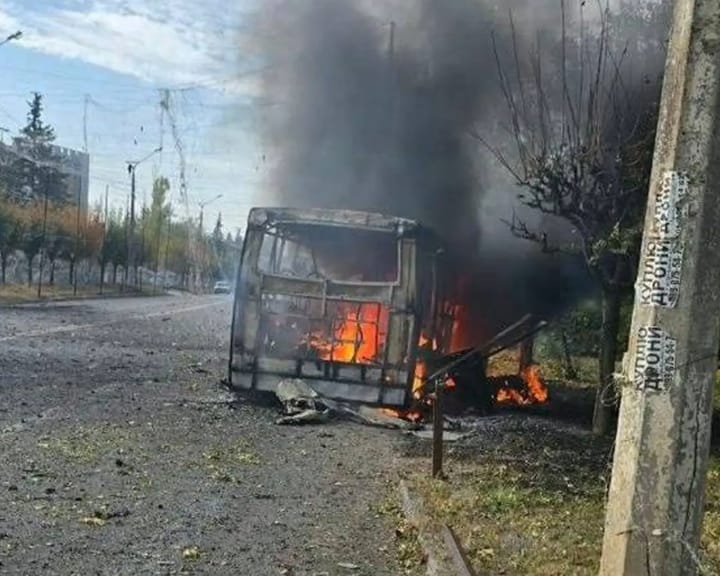
Thirty people have been killed and eighteen injured following an attack by Russia on two passenger buses in Kramatorsk, near the frontline in eastern Ukraine, according to local authorities.
The Donetsk regional prosecutor's office reported that the death toll from the morning attack on the buses had reached
Ethiopia Conducts Drone Strike on Eritrean Forces in Tigray Region
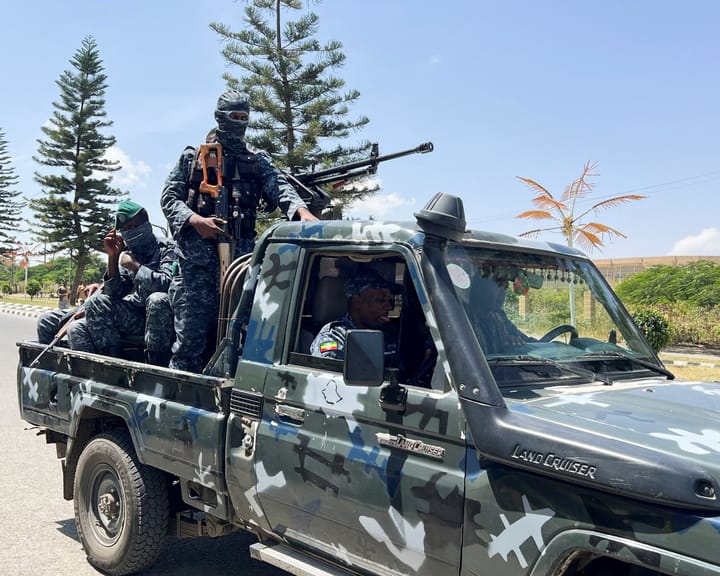
Eritrean forces reportedly crossed into Ethiopia's Tigray region and faced drone attacks from Ethiopian government forces, raising concerns about the potential for a broader regional conflict between the two neighboring countries.
Military vehicles transporting soldiers crossed the southern border of Eritrea into Tigray on Wednesday, reaching Adigrat, approximately
Israel Advances Film Resembling NAZA Documentary
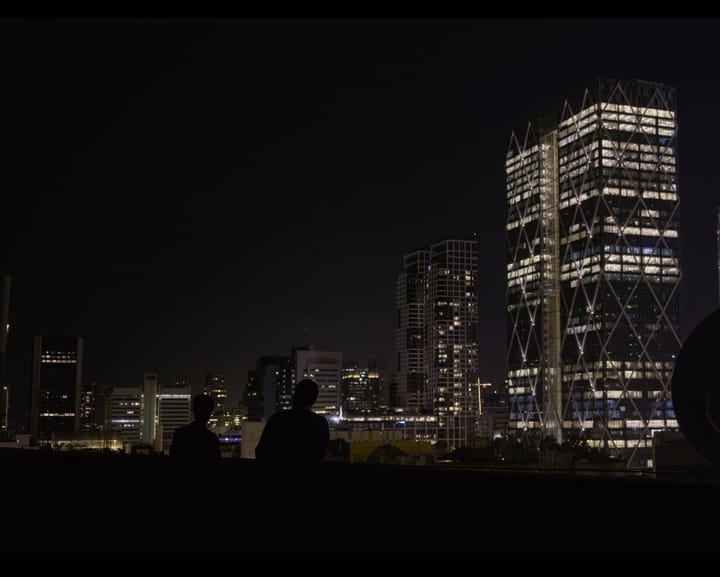
The Israeli government is promoting an online film project designed to counter the findings of the award-winning documentary NAZA, which details Israel’s mass killings of civilians in Gaza. NAZA, directed by Oscar-winning filmmakers Yuval Abraham and Rachel Szor, is currently in cinemas and will be shown in