
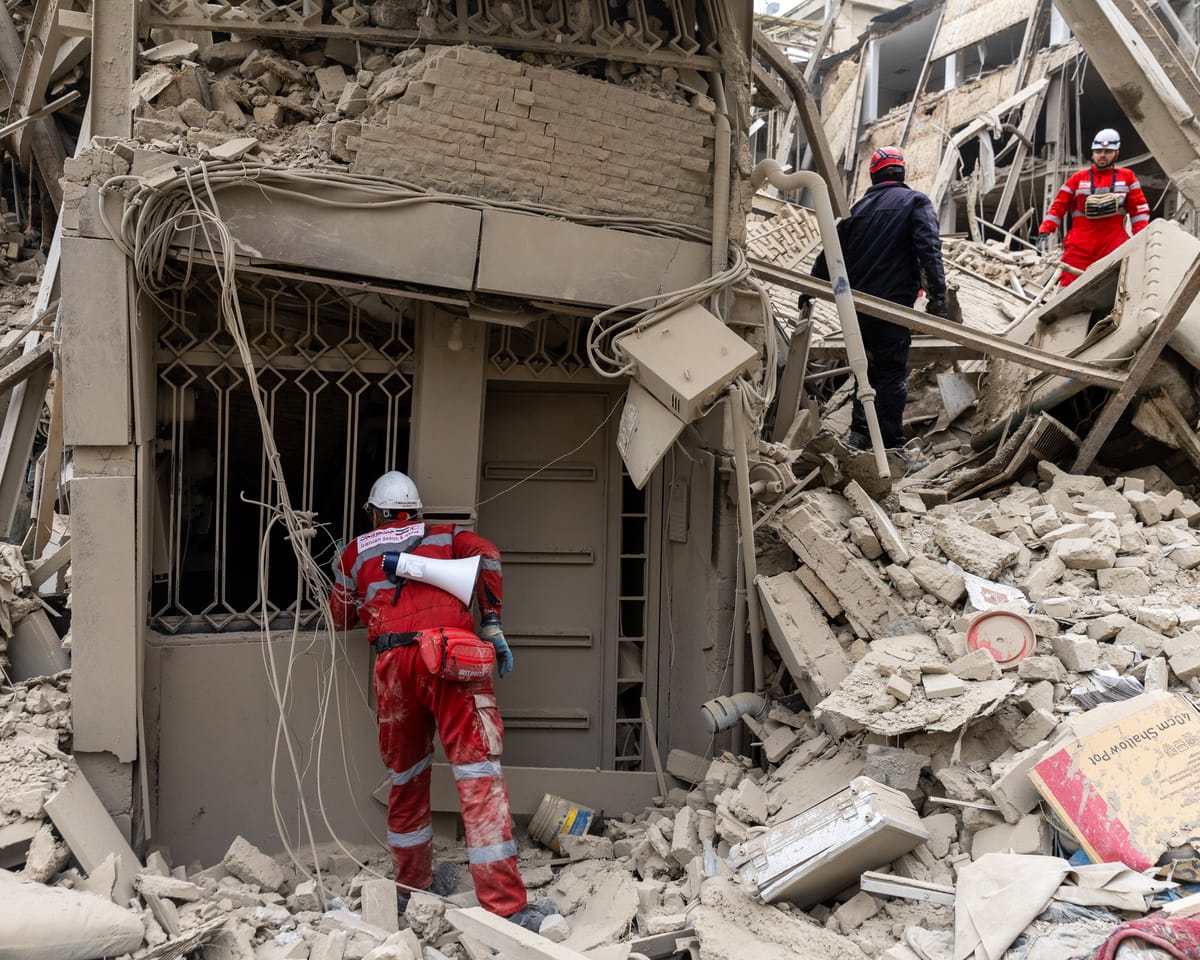
Air traffic operations in the United Arab Emirates have resumed normal service after the brief shutdown of its airspace on Tuesday, the Gulf nation’s aviation authority said, citing the state news outlet. The UAE’s defence ministry earlier announced that the country’s forces were reacting to missiles and drones launched from Iran.
Donald Trump declared he will “soon” name the nations that have pledged to assist the United States in reopening the Strait of Hormuz, while reproaching several allies – including NATO and the United Kingdom – for their reluctance to intervene. He urged South Korea, Japan and China to support the United States, warned that NATO faces a “very bad” outlook if it does not act, and said he was “not happy” with the UK.
Allies replied that “this is not a NATO war,” with the EU stating it has “no appetite” to broaden its naval operation into the Strait of Hormuz. German Chancellor Friedrich Merz earlier remarked that the conflict “is not a NATO matter,” while NATO noted that “allies have already stepped up to provide extra security in the Mediterranean.” UK Prime Minister Keir Starmer had previously declined Trump’s request to dispatch warships to the strait, saying the United Kingdom “will not be drawn into a wider war” but was coordinating with partners on a plan to reopen the passage.
Trump also asserted that the war would be “wrapped up” shortly, adding that it would not happen this week but “won’t be long.”
U.S. Vice‑President JD Vance deflected and criticised the press when asked whether he backed Trump’s stance toward Iran, given his earlier objections to open‑ended American interventions abroad. The exchange followed reports that he had privately voiced doubts and advised Trump against striking Iran. Vance accused the media of trying to “drive a wedge” between him and the president, and reiterated Trump’s claim that Tehran was close to acquiring a nuclear weapon. “I trust President Trump to get the job done,” he said.
Iranian Foreign Minister Abbas Araghchi denied any recent contact with U.S. special envoy Steve Witkoff, stating their last communication occurred before the U.S.–Israel strike on Iran. Araghchi posted on X: “My last contact with Mr. Witkoff was prior to his employer’s decision to kill diplomacy with another illegal military attack on Iran. Any claim to the contrary appears aimed solely at misleading oil traders and the public.” The denial came after an Axios report that a direct channel between Witkoff and Araghchi had been re‑opened in recent days, with Araghchi seeking dialogue to end the hostilities.
The leaders of the United Kingdom, France, Germany, Canada and Italy voiced “grave concern” after Israel launched a ground operation in Lebanon. They called for substantive talks between Israeli and Lebanese representatives to negotiate a lasting political solution. A major Israeli ground offensive, they warned in a joint statement, could produce severe humanitarian fallout and risk a prolonged conflict with “devastating humanitarian consequences.”
Read next
Live Middle East crisis: Iran promises retaliation for security chief's death; Israel hints at imminent strike on Beirut
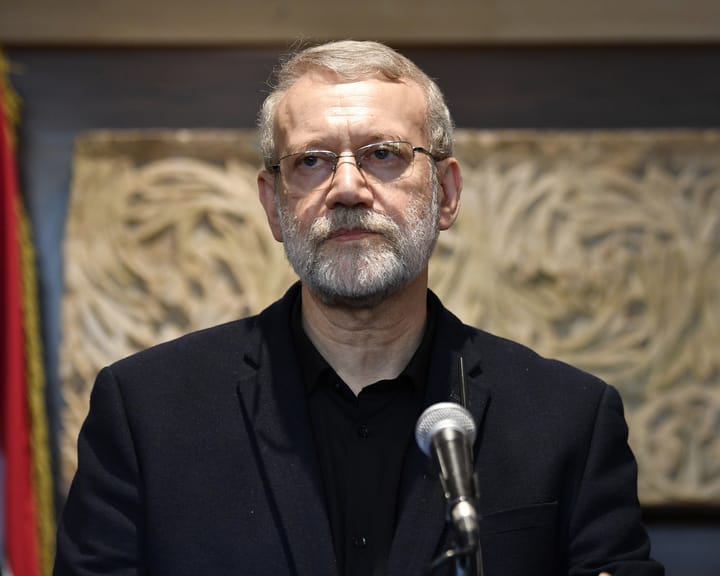
Iran’s armed forces pledged retaliation for the death of security chief Ali Larijani in an Israeli strike, with the army commander warning of a “decisive and regrettable” response.
Tehran also verified that Basij commander Gholamreza Soleimani was killed, after Israel had earlier asserted that its forces carried out the
‘Almost human’: life-size replicas of the dead aid broken hearts in India
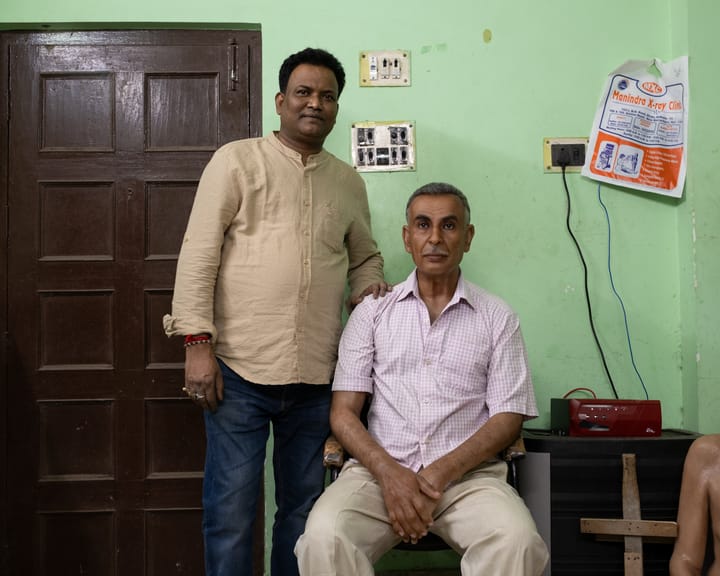
In northern Kolkata, close to Dum Dum Junction, Subimal Das and a team of about 80 operate out of an aging factory‑warehouse. With clay, fiberglass and silicone they produce life‑size copies of religious deities, cultural personalities, cricketers and film actors.
The workshop also offers a growing service: bespoke
Witnesses say “Everything and people were burning” after strike on Kabul drug rehab centre.
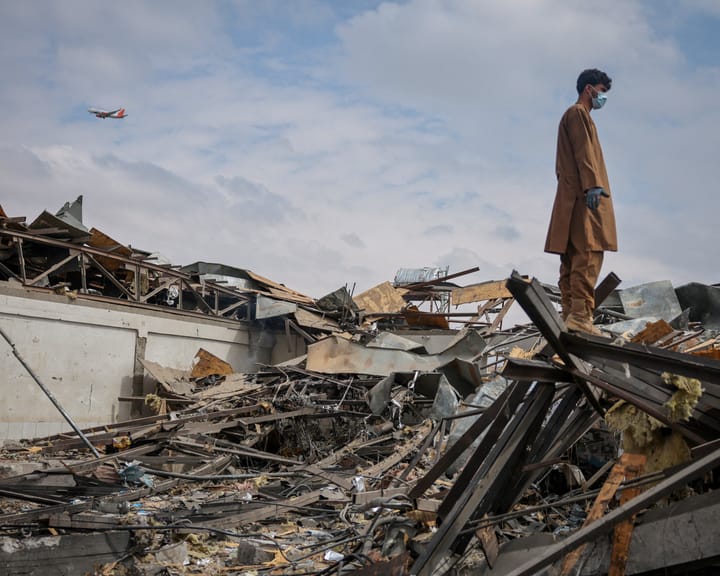
Eyewitnesses and survivors have recounted the dreadful aftermath of a Pakistani air strike that struck a drug‑rehabilitation centre in Kabul, leaving more than 400 people dead, many of whom burned in their beds or were crushed as the structure collapsed.
Afghan rescue teams continued to pull bodies from the