
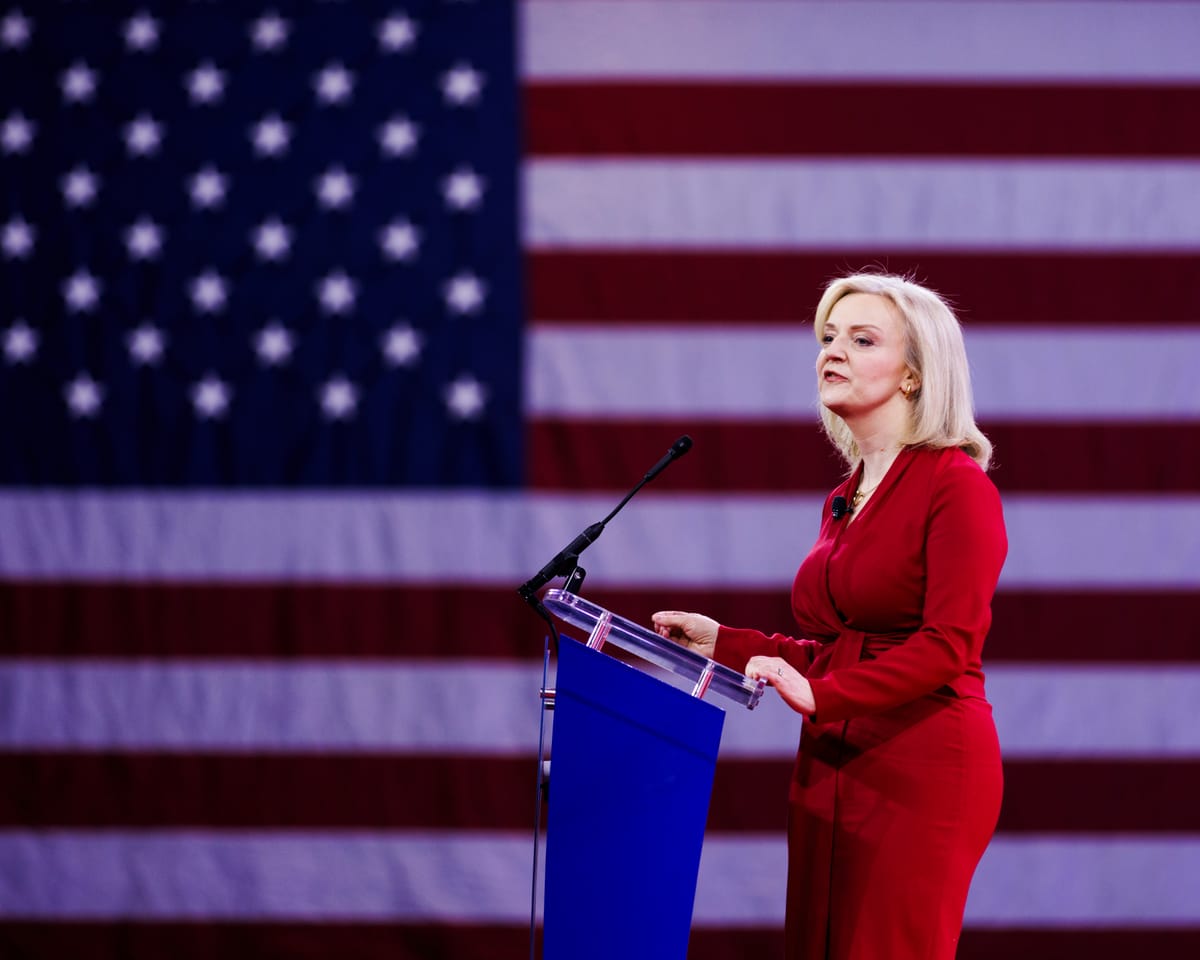
Liz Truss Supports Criticism of Central Bank Independence, Echoing Trump’s Stanc
Liz Truss, the shortest-serving British prime minister, has expressed support for Donald Trump’s criticism of the US Federal Reserve’s independence. Truss, who was forced out of office following turmoil in financial markets, suggested that major central banks could face a major challenge to their authority.
During her brief 49-day tenure in late 2022, Truss criticized what she called the "deep state" and the Bank of England, accusing them of undermining her leadership before her own party removed her from power. She claimed that central banks globally—including the Federal Reserve and the European Central Bank (ECB)—were due for a reckoning.
Speaking on Bloomberg’s Odd Lots podcast, Truss argued that unelected central banks hold too much influence over elected governments. "It’s very difficult, as I found while in office, to align fiscal and monetary policy when you don’t control one of those levers. I believe this has to change," she said.
Truss, who lost her parliamentary seat in last year’s election, also claimed that the UK now faces economic stagnation under Labour, with rising taxes, weaker growth, and increasing debt.
Recently, UK government borrowing costs have climbed close to their highest levels since 1998. Analysts attribute part of this to global financial pressures linked to US markets, as well as domestic concerns about potential tax hikes in the upcoming budget under Chancellor Rachel Reeves.
Meanwhile, Trump has intensified his attacks on the Federal Reserve, recently stating he would remove one of its governors, Lisa Cook. He has consistently pressured the central bank and its chair, Jerome Powell, to lower interest rates.
Financial experts warn that political intervention risks undermining central banks’ ability to control inflation. US borrowing costs have already risen sharply amid uncertainty about Trump’s trade policies and doubts over the Fed’s autonomy.
Olli Rehn, a member of the ECB’s governing council, cautioned that Trump’s stance could have serious consequences for the global economy. He noted that central bank independence, a key principle since the 1980s, is now under severe strain. "This could create major disruptions in financial markets and harm economic stability worldwide," said Rehn, who also heads Finland’s central bank.
In recent years, central banks have faced growing scrutiny from populist leaders frustrated with weak economic growth and stagnant living standards since the 2008 crisis.
In the UK, the Bank of England was granted independence to set interest rates in 1998 under then-Chancellor Gordon Brown, reinforcing its role in managing inflation.
Read next
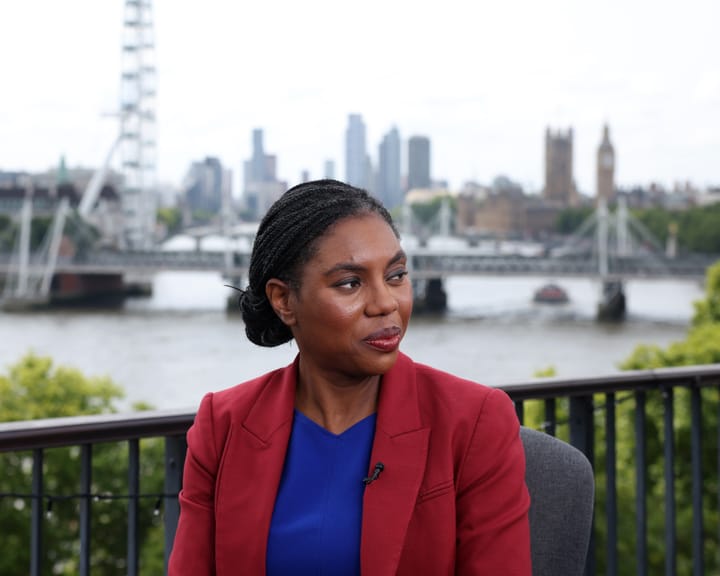
Badenoch returns to Conservative conference, markedly stronger than a year ago
A year ago, Tory MPs feared a fresh leadership revolt against Kemi Badenoch as Tories hit historic 14-16% support; November, after 12 months, was hushed: decisive challenge month. Yet, despite poor polls, “Keminisation” saw her impose style and authority.
More in Common’s Luke Tryl, director, said Badenoch holds

UK sanctions plan on illegal Israeli settlements faces criticism from US, Israel and British MPs
Today, with the agreement of Prime Minister Netanyahu, Israeli officials announced a series of countermeasures in response to new sanctions declared by the British foreign secretary of the Labour government, following a sequence of anti-Israel decisions by the same administration.
The accusations leveled today by the Labour foreign secretary,
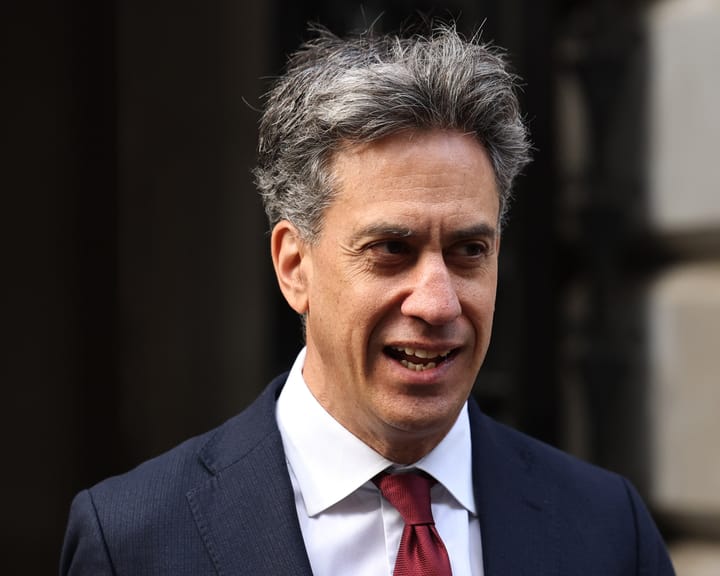
UK announces trade ban on Israeli settlements as tougher stance
Ed Miliband will announce a broad reset of the UK’s relations with Israel on Tuesday, pledging a more active stance in support of the Palestinian cause. In an intervention drawing fierce criticism from the US and Israel, the foreign secretary will impose a ban on trade in goods and