
Gold Rush: Record Prices and Long Queues as Demand Surges
Prakas buys a small amount of gold annually, always on a Saturday, to mark the Hindu festival of Diwali. This year, however, thousands of eager buyers and an unprecedented price surge complicated his plans.
“I’ve never seen anything like this,” he says. “Maybe I’ll just get something smaller … if I can afford it … just to keep the tradition alive.”
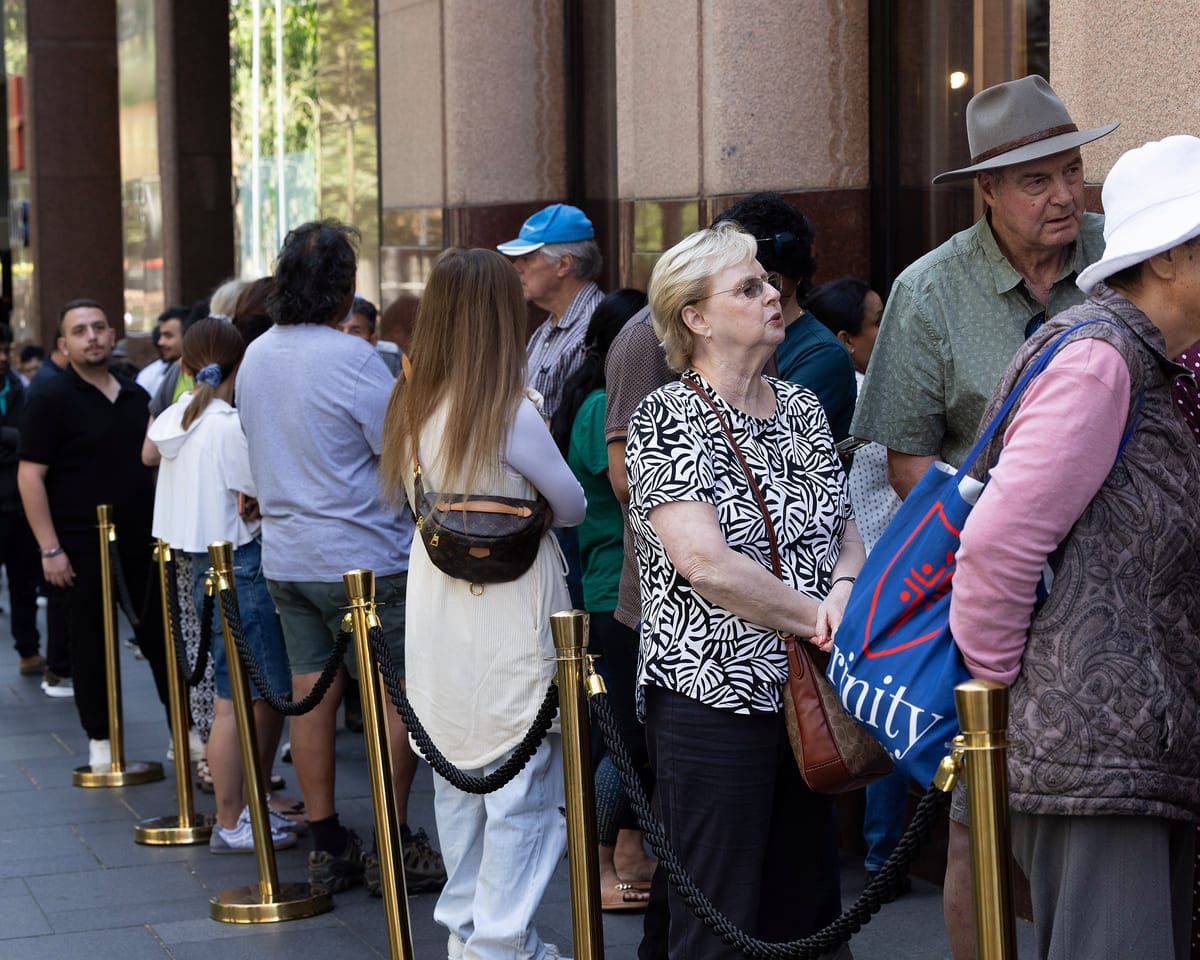
The Nepali Australian traveled for an hour to Sydney’s central business district on Saturday, only to turn back when he saw a line of around 400 people stretching across Martin Place. Hoping to avoid the wait, he tried purchasing online but ended up stuck in a two-hour virtual queue when he returned to ABC Bullion on Tuesday.
In just three days, the price of gold had climbed from roughly $4,200 an ounce to over $4,300, part of a two-month rise that has captured widespread interest.
Jordan Eliseo, the general manager at ABC Bullion, reports that about 1,000 people have visited the Sydney store daily for over a month, with thousands more making purchases online. Customers arrive early, some before 9 a.m., waiting for hours in line. The surge has forced the store to extend its hours and hire five additional staff in recent weeks.
“This is the first time we’ve seen such a sustained increase in demand,” Eliseo says.
“It’s like a gold rush … People hear about it and think, ‘Maybe I should get some too.’”
Eliseo, who took over management three years ago, has seen prices more than double, rising from $1,700 to $3,400 by April before jumping another $1,000 in the last two months. While some clients are selling, many believe the momentum will continue and are buying at all-time highs.
Sayed, a tradesman from Campbelltown, has already profited from the rising prices and is considering another purchase—though he admits he has “no idea” where the market is headed.
“It might go up again,” he says.
Analysts agree, citing ongoing economic uncertainty, geopolitical tensions, and instability as reasons investors continue turning to gold as a safe asset. The Royal Bank of Canada recently raised its forecast, suggesting prices could reach $5,000 by early 2026 due to global unpredictability.
Investors are also shifting away from stocks, wary of potential overvaluation in markets driven by artificial intelligence hype, as well as from cash holdings, where inflation and falling interest rates reduce returns. This trend spans investment funds, central banks, and individual buyers like Avtar, a nurse from Sydney’s northern suburbs, who waited in line Tuesday to expand his gold holdings.
Avtar withdrew $78,000 from a term deposit with ANZ and invested it in gold.
Read next
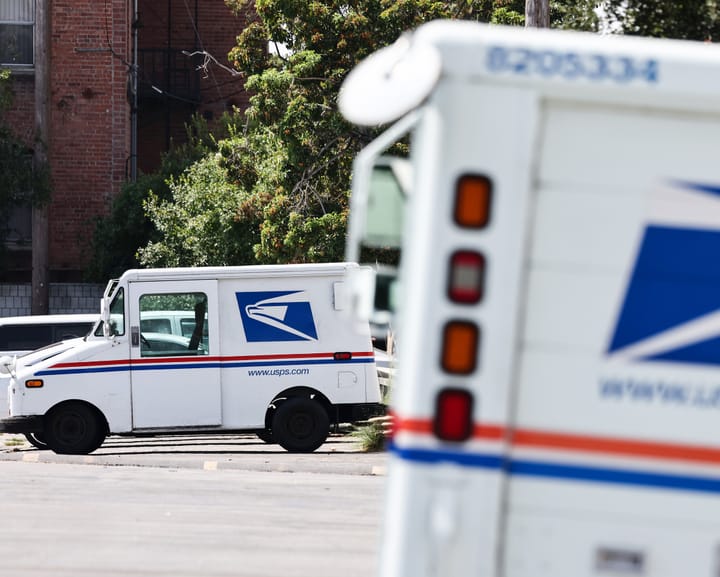
US Postal Service faces cash shortage by Feb 2027, agency chief warns
The United States Postal Service faces a cash shortfall within the next twelve months unless Congress removes the borrowing limit imposed on the agency, the postmaster general warned.
Speaking to the Associated Press, David Steiner said the service – which funds its operations through stamps and fees rather than tax revenue
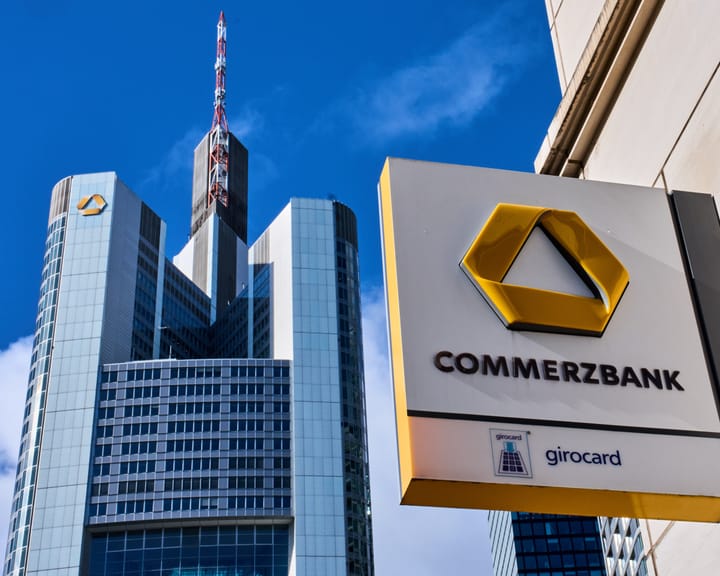
UniCredit launches aggressive bid for Commerzbank as European takeover war intensifies
Two major European banks have entered a €35 billion (£30 billion) takeover contest after Italy’s UniCredit intensified its long‑standing bid for German lender Commerzbank, despite firm resistance from the German government.
UniCredit initially acquired a 9 % stake in Commerzbank in September 2024 and has since increased its holding
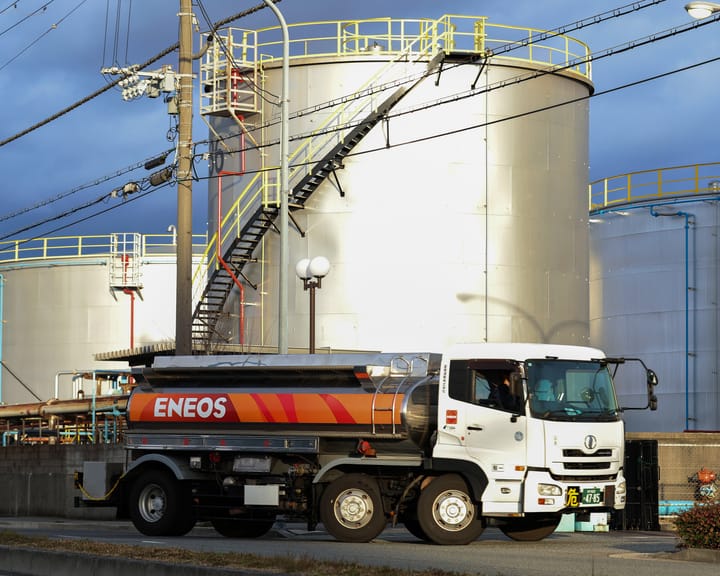
IEA weighs tapping additional oil reserves amid Iran conflict driving up prices
The international energy regulator is weighing another release of emergency crude reserves into the world market to temper climbing oil prices, after cautioning that market recovery will be slow following the ongoing strait of Hormuz crisis.
Fatih Birol, chief of the International Energy Agency, noted that member nations still hold