
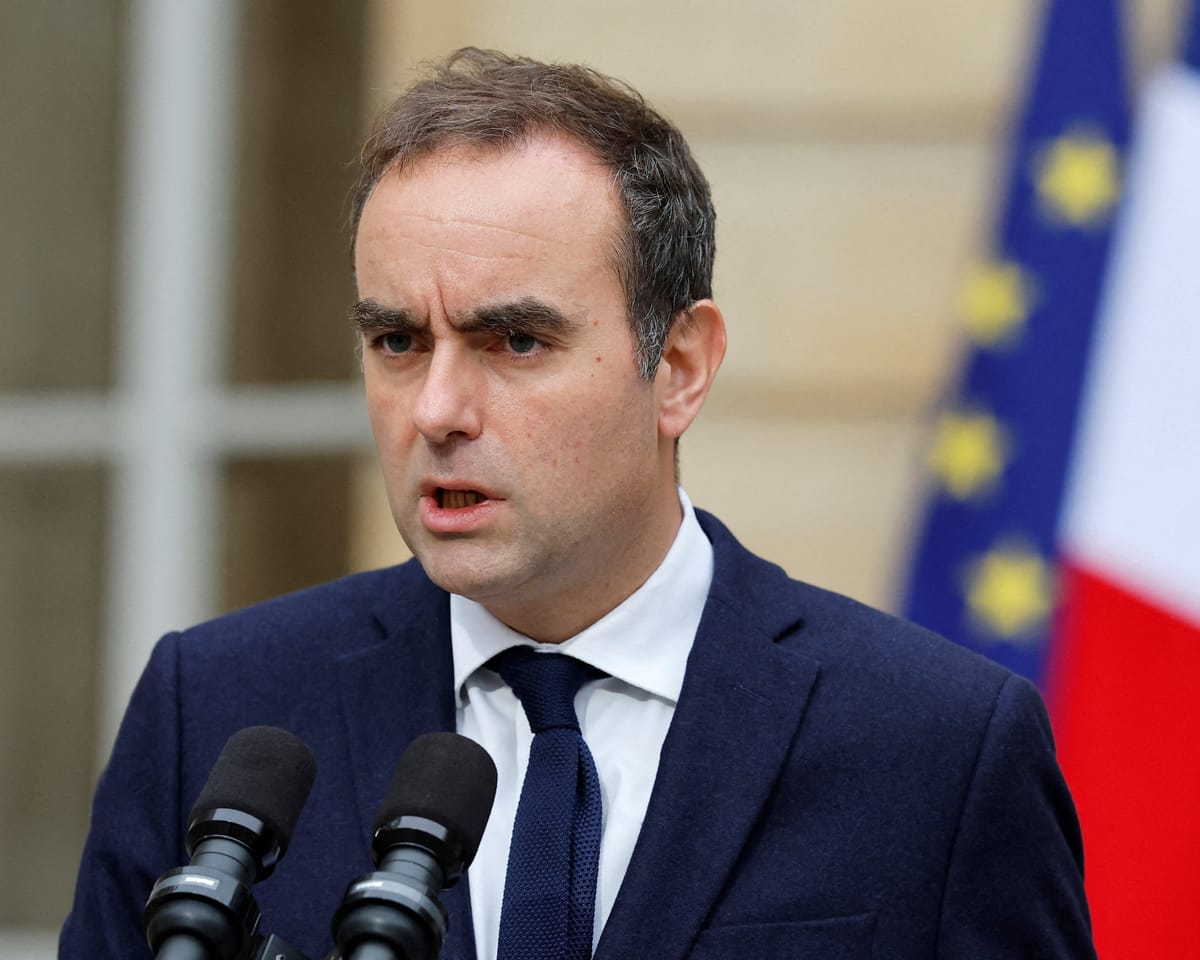
French President Emmanuel Macron has reinstated his centrist ally Sébastien Lecornu as prime minister, just days after Lecornu resigned unexpectedly and his newly formed government collapsed within 14 hours.
Lecornu stated that he accepted the position again "out of duty" and vowed to "do everything possible to finalize a budget by year-end and tackle everyday challenges facing citizens."
He added, "We must resolve this political crisis that has frustrated the public and end the instability damaging France’s reputation and interests."
Macron’s decision to reappoint Lecornu so soon after accepting his resignation is unprecedented, occurring amid deepening political turmoil in the country.
Within Macron’s centrist Renaissance party, lawmaker Shannon Seban described Lecornu’s return as essential for ensuring "stability." Former education minister Élisabeth Borne suggested he could "foster compromise for France."
However, opposition parties viewed the move as a refusal by Macron—who has 18 months left in office—to include diverse political perspectives reflecting the fractured parliament in his government.
Lecornu now faces pressure to swiftly assemble a cabinet with fresh faces and varied political leanings, though this task appears increasingly difficult.
Jordan Bardella, leader of Marine Le Pen’s far-right National Rally, criticized Lecornu’s reappointment on social media, calling it a "failure of democracy" and a "disgrace to the French people." He pledged his party’s support for an early no-confidence motion.
Left-wing parties also expressed disapproval. The Socialist Party denied any agreement to abstain from a no-confidence vote, while Green Party leader Marine Tondelier labeled the reappointment "unbelievable."
Macron is navigating his most severe domestic crisis since taking office in 2017. Lecornu’s initial resignation followed intense backlash from opponents who accused the government of excluding diverse political voices matching parliament’s divisions.
He stepped down before his first cabinet meeting or policy speech. His predecessor, François Bayrou, was recently removed over budget disputes.
Lecornu, 39, previously served as defense minister and gained recognition for boosting military funding. His re-appointment marks the third premiership shift in a year, as France grapples with ongoing political instability following Macron’s unsuccessful snap election last year.
Parliament remains split among left, far-right, and centrist blocs, with no dominant majority. A budget for the upcoming year must still be approved rapidly, despite the political uncertainty.
Read next
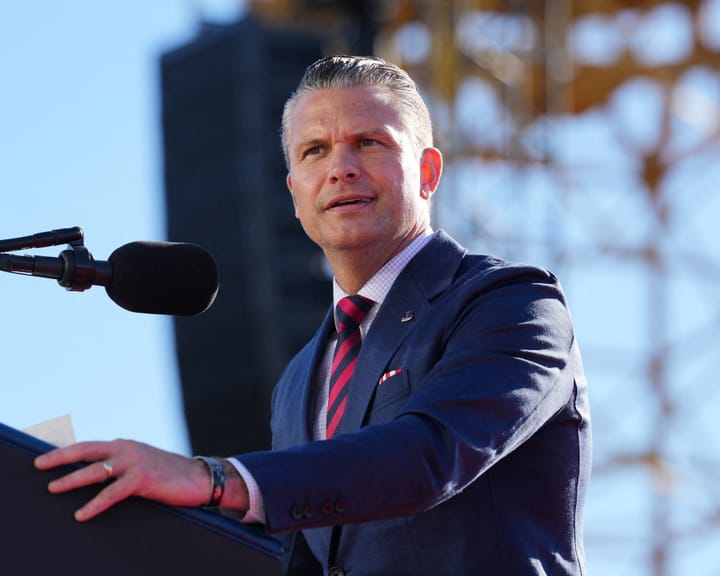
Pete Hegseth's proposal to stream executions aligns US with controversial nations.
If the US defense secretary, Pete Hegseth, proceeds with plans to livestream the execution of a soldier radicalized to extremist Islam, who killed 13 people at a military base in Texas, the US would join a group of lesser powers and rogue actors known for public executions in recent years.
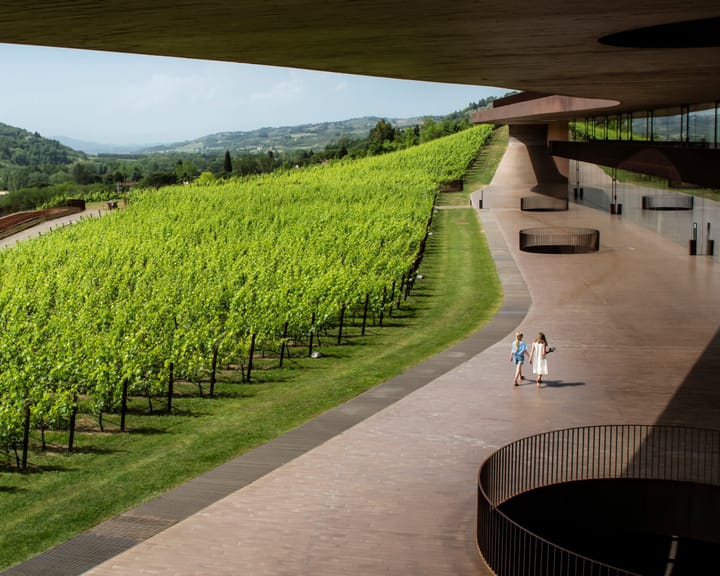
Criminals steal €5m from renowned Italian winery
In a significant theft in Tuscany, thousands of wine bottles valued at €5 million have been stolen from the renowned Marchesi Antinori winery, marking what is considered the largest heist of its kind in Italy. A group of at least seven masked individuals breached the winery's cellar in
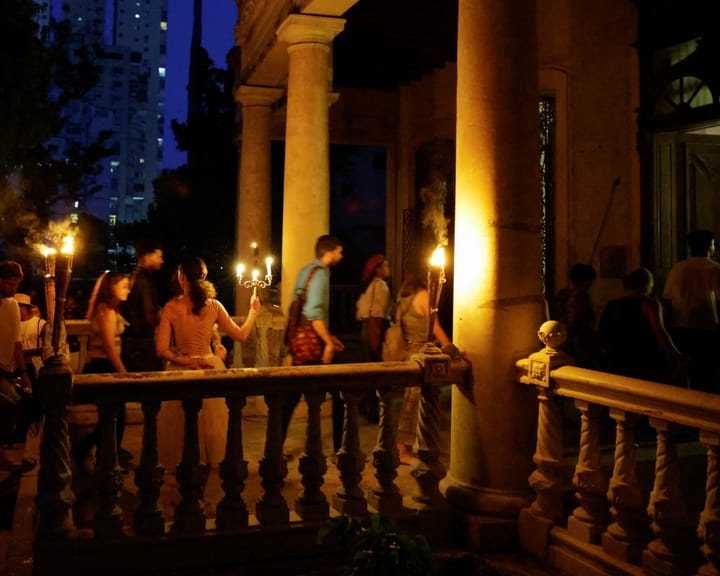
Illuminated Theater in Havana – A Photographic Journey
Widespread blackouts have become more frequent in Cuba since the US imposed energy sanctions in January. These outages often last longer than 24 hours as the aging electrical grid struggles to cope. The Impulso theatre group has been forced to adapt, as the power cuts present significant challenges for the