
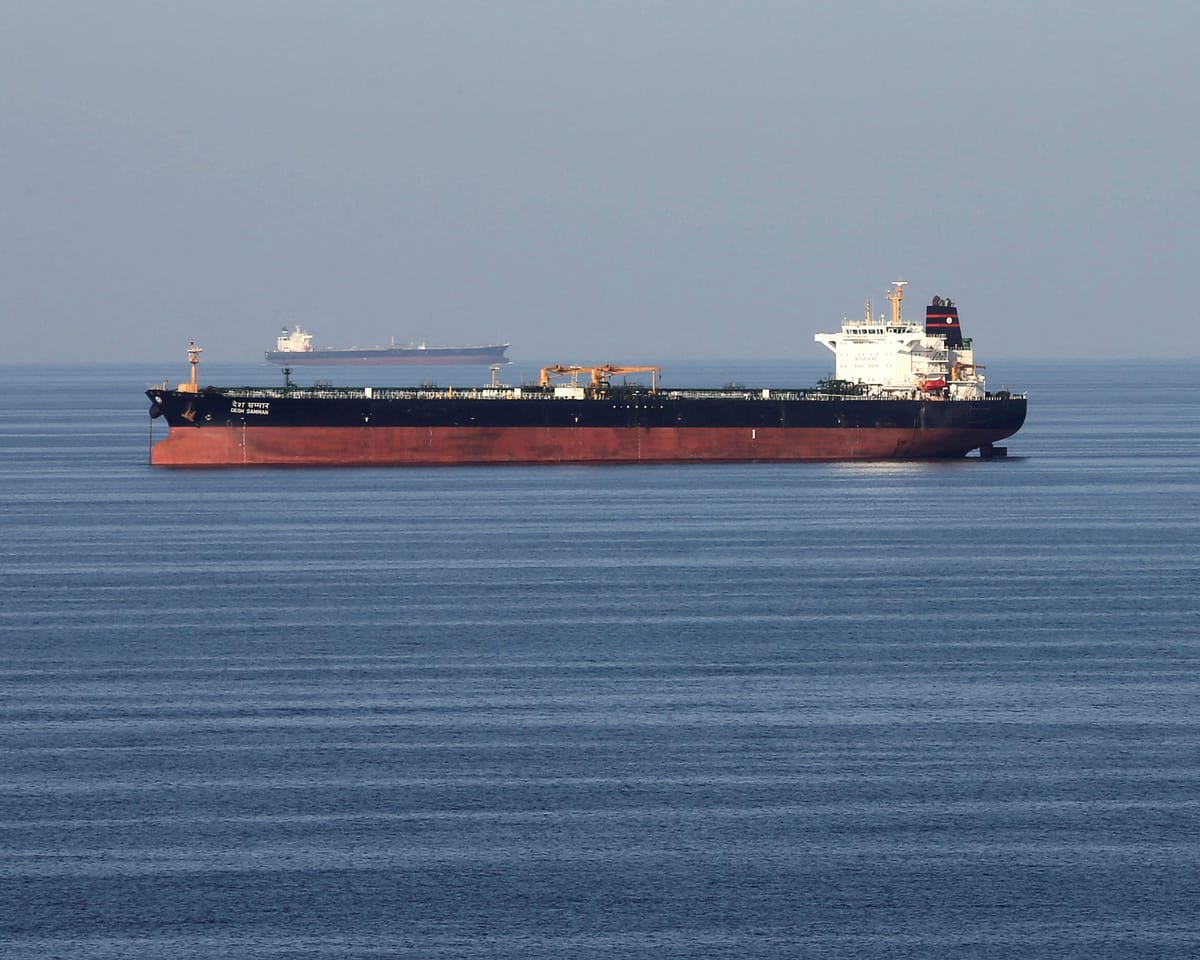
Leading maritime insurers have withdrawn war‑risk coverage for vessels sailing in the Gulf as the intensifying Iran conflict has disrupted shipping and driven up freight rates.
At least 150 ships, including oil and liquefied natural gas tankers, have anchored in the Strait of Hormuz and nearby waters.
The crucial route, through which roughly 20 % of the world’s oil and an equal share of seaborne gas pass, has been effectively shut after the United States and Israel launched heavy air strikes on Iran on Saturday.
Several major marine insurers – Norway’s Gard and Skuld, the United Kingdom’s North Standard and the London P&I Club, and the New York‑based American Club – announced they are ending war‑risk policies for vessels operating in the area.
The withdrawal of coverage is expected to further discourage shipowners from navigating the Gulf. Insurers said war‑risk policies – which normally protect owners against costs and damage from war, terrorism and piracy – will be terminated for Iranian waters, the Gulf and adjacent seas, effective 5 March.
Transport costs surged as ships were rerouted and oil prices climbed sharply.
The Containerized Freight Index compiled by Trading Economics rose 6.5 % on Monday.
Freightos reported that terminal rates for a 40‑foot container from Shanghai to Jebel Ali in Dubai increased from about $1,800 on Saturday to roughly $3,700 on Monday.
DP World, which operates Jebel Ali, halted activities over the weekend after an aerial interception sparked a fire on Saturday night, though operations have since resumed.
Freightos noted that only 2 %–3 % of global container volumes transit the Strait of Hormuz, so its closure is unlikely to heavily affect the wider container market.
Nevertheless, with broader disruption in the region, including the Red Sea, it added: “For importers or exporters trying to move goods in or out of the Middle East, services will be markedly disrupted, and costs will rise for the cargoes that can still move.”
John Wyn Evans, head of market analysis at UK wealth‑management firm Rathbones, explained: “Any rate hikes stem from a mix of rerouting and higher oil prices; longer voyages reduce capacity, and when cargoes must arrive by a set date, ships are forced to sail faster, which consumes more fuel – the effect is exponential, much like accelerating a car and seeing mileage drop.”
Iran‑backed Houthi rebels in Yemen, who have paused attacks on Red Sea vessels since October, have signalled a possible return to strikes.
In response, several large carriers – Denmark’s Maersk, Germany’s Hapag‑Lloyd and France’s CMA CGM – have redirected all sailings away from the Red Sea until further notice, sending them around Africa. Denmark’s Norden has also suspended all its voyages.
Read next

World stock markets tumble as Iran conflict drives up gas and oil prices
The conflict in the Middle East has thrown financial markets into disarray for a second consecutive day, with oil and gas prices climbing, global equity markets sliding and the odds of a UK interest‑rate cut later this month sinking.
London’s share market has plunged deep into the red,

McDonald’s CEO’s clumsy taste test draws online ridicule, with critics quipping “His aura screams kale salad.”
Business executives are increasingly appearing on camera to seem more approachable to an audience that lives on social media. When the effort succeeds, it can generate a lot of attention; when it fails, it can invite online mockery.
That is the situation facing Chris Kempczinski, the chief executive of McDonald’
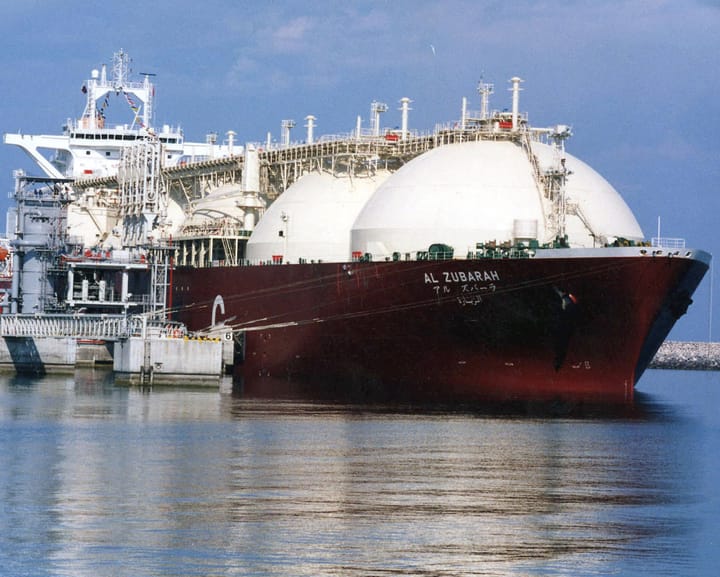
Iran war's gas shock—rather than oil—appears more dangerous
Oil prices dominate the energy discussion during Middle‑East conflicts for obvious reasons: the commodity still powers the global economy, and analysts have fairly dependable models linking each $10‑per‑barrel rise to slower growth and higher inflation.
Consequently, we are far from entering “oil‑shock” territory. Monday’s climb