
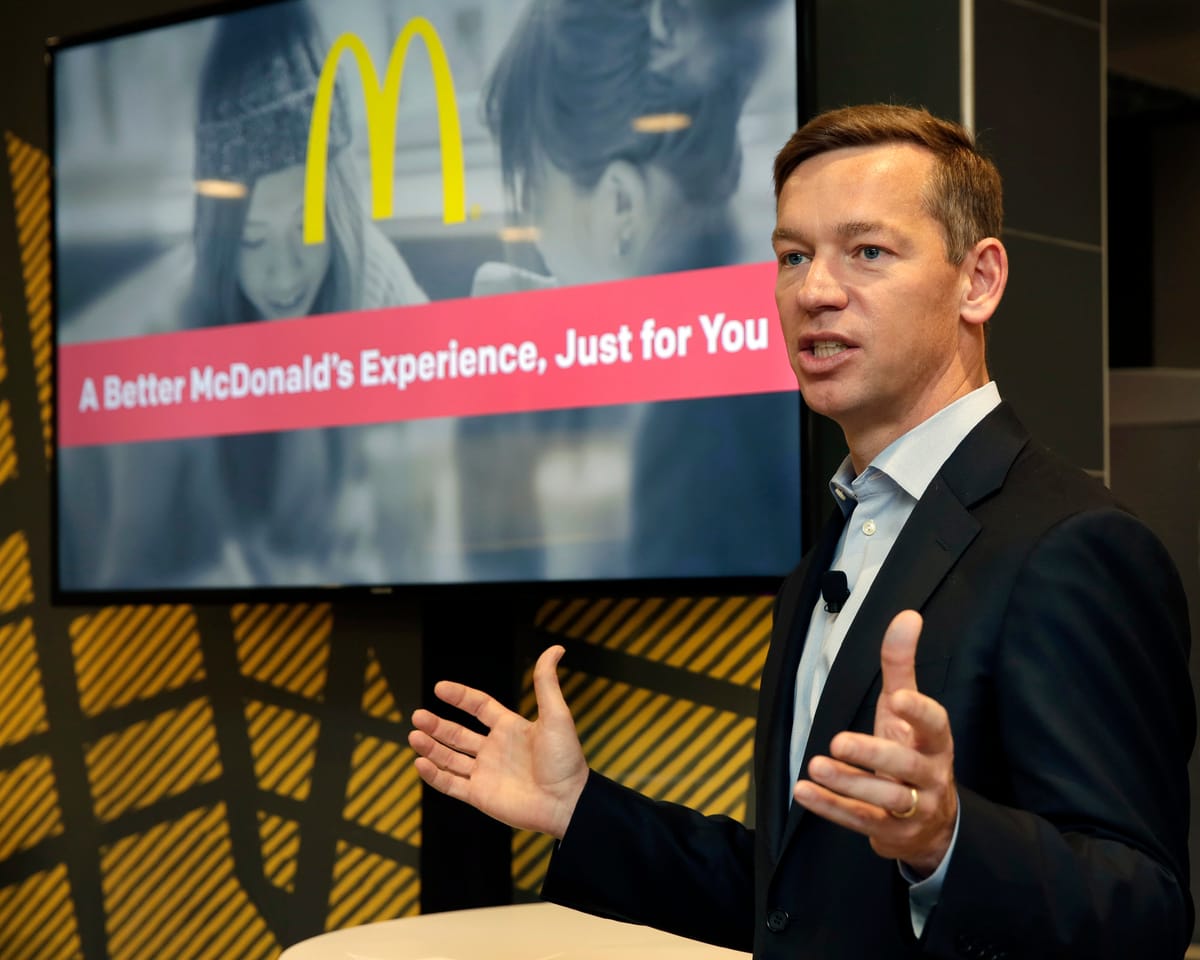
Business executives are increasingly appearing on camera to seem more approachable to an audience that lives on social media. When the effort succeeds, it can generate a lot of attention; when it fails, it can invite online mockery.
That is the situation facing Chris Kempczinski, the chief executive of McDonald’s.
A clip of the fast‑food chain’s leader sampling a new menu item has spread widely, with internet users and comedians ridiculing his uneasy tasting and suggesting he did not enjoy his own company’s burger.
The video, posted in February but gaining traction over the weekend, shows Kempczinski praising the new Big Arch burger, which he refers to as the “product” – an odd term for a sandwich.
He then outlines the offering: two quarter‑pound beef patties, three slices of melted white cheddar, crispy onions and a signature tangy “Big Arch” sauce.
“I’m going to do a tasting right now, but I’m going to eat this for my lunch, just so you know,” he says. He glances at the burger and admits, “I don’t even know how to attack it, there’s so much to it.”
He finally takes a small bite and holds the camera up to display the shallow dent he creates.
Viewers were swift to point out the video’s seemingly forced tone. One wrote, “Man’s aura screams kale salad.” Another observed, “That was the smallest first bite I’ve ever seen.” A third mocked the corporate jargon: “It scares me when you call the food ‘product.’”
A Reddit commenter offered a blunt suggestion: “If McDonald’s cares about its future, they need to make sure [Kempczinski is] anywhere but in front of a camera.”
The Big Arch burger is slated to roll out nationwide in the United States for a limited run beginning 3 March.
Kempczinski has led McDonald’s as president and CEO since 2019, taking over from Steve Easterbrook, who was dismissed after an inappropriate relationship with a senior female employee. In 2023, Easterbrook, a Briton, was fined $400,000 (£328,000) by the U.S. Securities and Exchange Commission for concealing the extent of his misconduct.
Read next
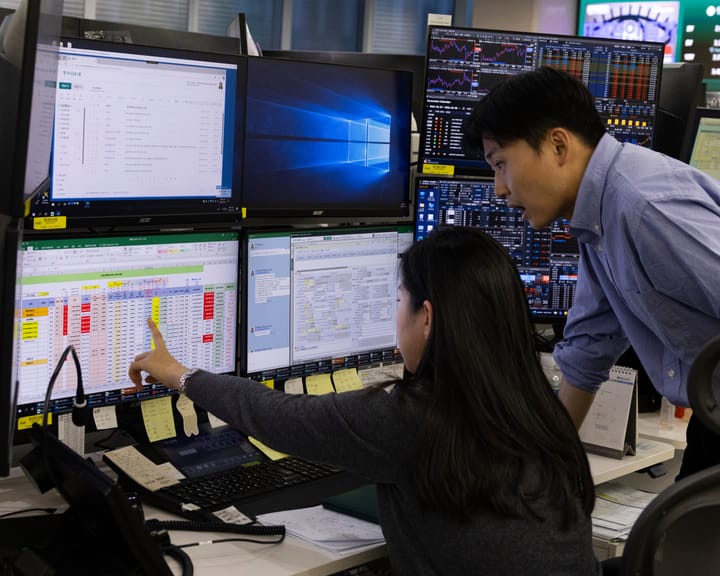
World stock markets tumble as Iran conflict drives up gas and oil prices
The conflict in the Middle East has thrown financial markets into disarray for a second consecutive day, with oil and gas prices climbing, global equity markets sliding and the odds of a UK interest‑rate cut later this month sinking.
London’s share market has plunged deep into the red,
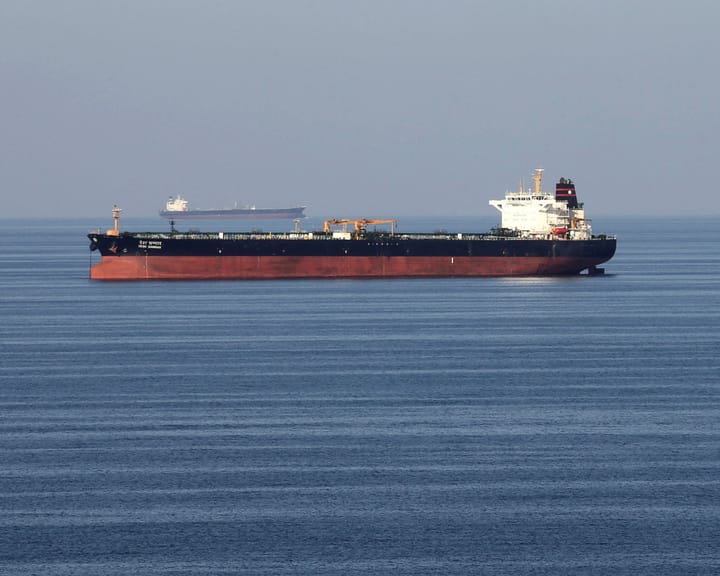
Maritime insurers drop war‑risk coverage in Gulf amid Iran conflict disrupting shipping
Leading maritime insurers have withdrawn war‑risk coverage for vessels sailing in the Gulf as the intensifying Iran conflict has disrupted shipping and driven up freight rates.
At least 150 ships, including oil and liquefied natural gas tankers, have anchored in the Strait of Hormuz and nearby waters.
The crucial
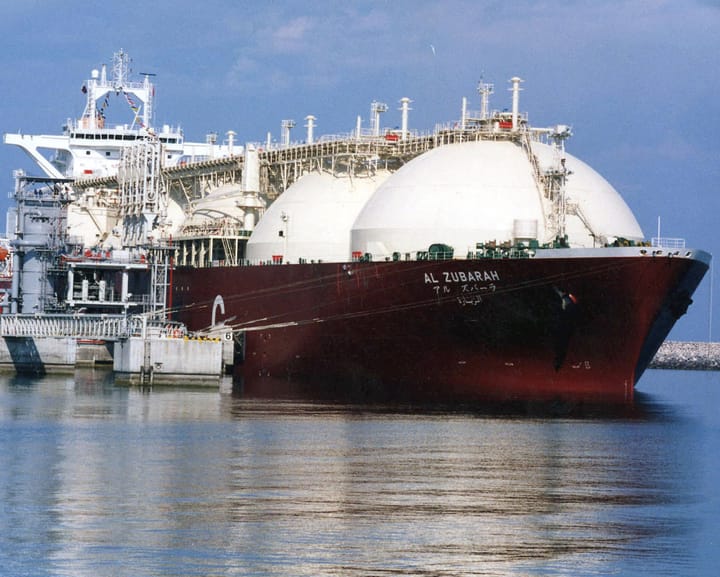
Iran war's gas shock—rather than oil—appears more dangerous
Oil prices dominate the energy discussion during Middle‑East conflicts for obvious reasons: the commodity still powers the global economy, and analysts have fairly dependable models linking each $10‑per‑barrel rise to slower growth and higher inflation.
Consequently, we are far from entering “oil‑shock” territory. Monday’s climb