
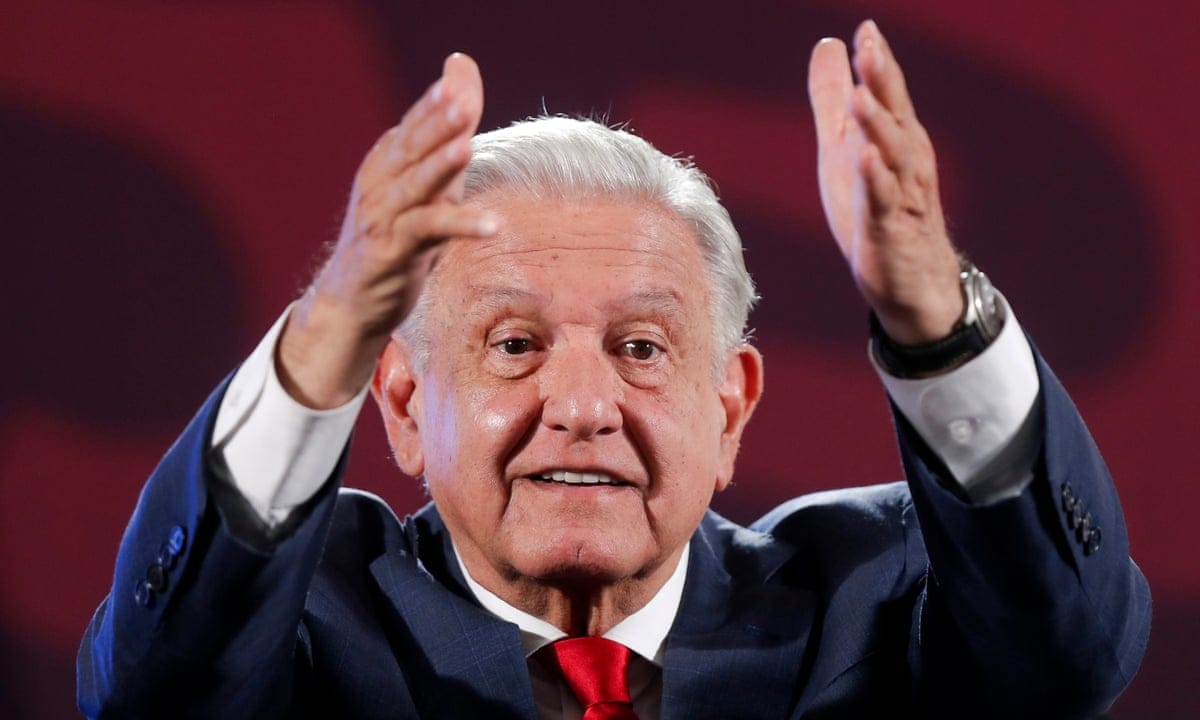
In a letter addressed to President Donald Trump, Mexico's leader Andrés Manuel López Obrador cautioned that any closure of the U.S.-Mexico border if he is re-elected would provoke widespread consequences on both nations.
During his address at the Republican National Convention, Trump highlighted challenges posed by a large number of migrants entering the southern United States border and its impacts across various communities within the country.
López Obrador's correspondence underlined economic ties between Mexico and the U.S., as well as potential harm to individuals, industries, and trade that would occur with border closure. The letter also emphasized the significant role of the Mexican-American population in both countries and their economic contributions.
The United States and Mexico share an extensive trading partnership facilitated by agreements like the USMCA, which López Obrador championed for its benefits to consumers and as a way to compete against China's growing influence.
López Obrador requested Trump consider these factors before making any decisions regarding border policies. Despite their differing backgrounds, both leaders maintained an amicable relationship during their time in office from 2018-2020. However, the incoming Mexican president, Claudia Sheinbaum, presents a different image and approach to Trump's administration.
The letter is not new for López Obrador who has previously written letters to Trump, including one where he compared Trump's rhetoric about Mexicans to historical discrimination against Jews by Nazis. While they maintained a relationship focused on specific issues such as migration during their respective terms in office, it remains uncertain whether Sheinbaum will have the same rapport with Trump if re-elected.
Presidential elections and subsequent policy decisions are often influenced by numerous factors beyond personal relationships between leaders, making it difficult to predict how future administrations may handle border policies or other issues that were addressed in previous correspondences like this one.
Read next
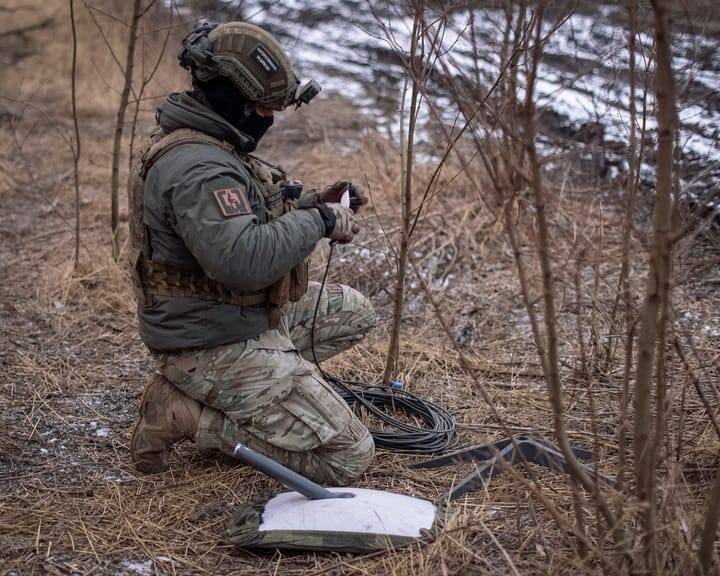
Ukrainian combat troops gain restricted access to Starlink satellite internet
Ukrainian soldiers experienced a sudden disruption in their access to Starlink satellite internet terminals amid increased pressure from the Trump administration for Ukraine to cease long-range attacks on Russia’s oil infrastructure. These terminals, managed by Elon Musk’s SpaceX, are vital for Ukraine's military operations. The

Russia's latest Ukraine attacks show 'disrespect' towards US, says Zelenskyy — Europe live
Sikorski Confronts Musk Over Starlink in Ukraine
Poland’s Foreign Minister Radosław Sikorski recently addressed Elon Musk on X, questioning reported restrictions on Starlink services in Ukraine. Poland contributes significantly to Ukraine’s funding of Starlink, which is crucial for maintaining internet connectivity in Kyiv and its military operations, with

"Breaking Stigma: Nikita Jager's Triumph in Civil Rape Case Against Conor McGregor"
Nikita Hand faced a challenging decision when considering a civil case against Conor McGregor following a 2018 assault. Despite her personal reservations about being an "imperfect victim" due to alcohol and drug use on the night of the incident, she chose to proceed. This decision stemmed from her