
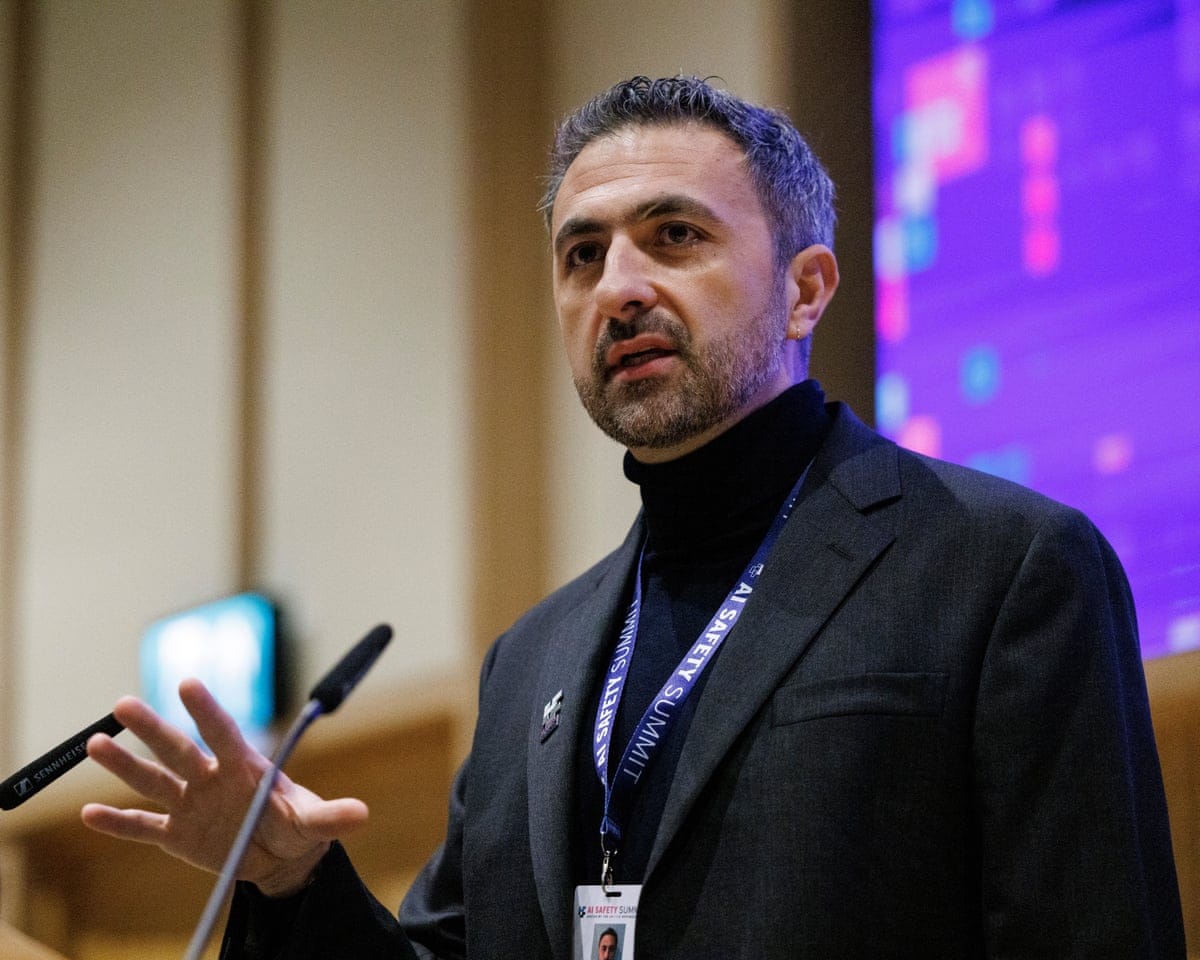
Microsoft has introduced an artificial intelligence system that demonstrates superior performance to human physicians in diagnosing complex medical conditions, signaling a potential shift toward advanced medical intelligence.
The company's AI team, led by British technology expert Mustafa Suleyman, created a system that mimics the decision-making of expert medical panels when handling intricate cases. In collaboration with OpenAI’s latest AI model, the system successfully resolved more than 80% of specially selected case studies. In contrast, practicing physicians—working without external resources—accurately diagnosed only 20% of the same cases.
The system also proved more efficient in recommending medical tests, potentially reducing costs compared to traditional diagnostic methods. Microsoft emphasized that AI would assist rather than replace doctors, noting that physicians play a broader role in patient care, including building trust and managing uncertainty—areas where AI falls short.
While acknowledging the system’s capabilities, Microsoft cautioned against overestimating AI’s diagnostic abilities based on standardized medical exams, arguing that such tests rely heavily on memorization rather than deep comprehension. The company stated that its model operates similarly to real-world clinicians, following a structured process involving patient inquiries and diagnostic tests before finalizing conclusions. For example, analyzing symptoms like fever and cough might necessitate blood tests and imaging before determining if pneumonia is present.
For development, Microsoft’s team repurposed over 300 complex case studies from the *New England Journal of Medicine* into interactive challenges. The system integrates existing AI models from OpenAI, Meta, Anthropic, Grok, and Google’s Gemini, supplemented by a specialized "diagnostic orchestrator" that determines which tests to administer and how to interpret them.
Read next
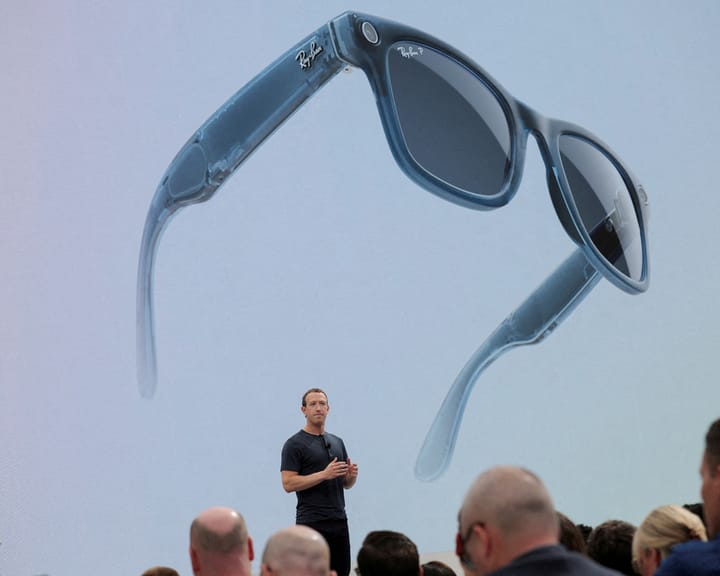
US officers worry Meta smart glasses could covertly record them
In January, the NYPD’s counterterrorism unit warned officers about a new security threat: Ray-Ban Meta glasses. A memo directed officers to “conduct thorough inspections of all eyewear permitted within inmate cells,” cautioning that recently arrested individuals could use the devices’ small cameras and microphones to record inside police
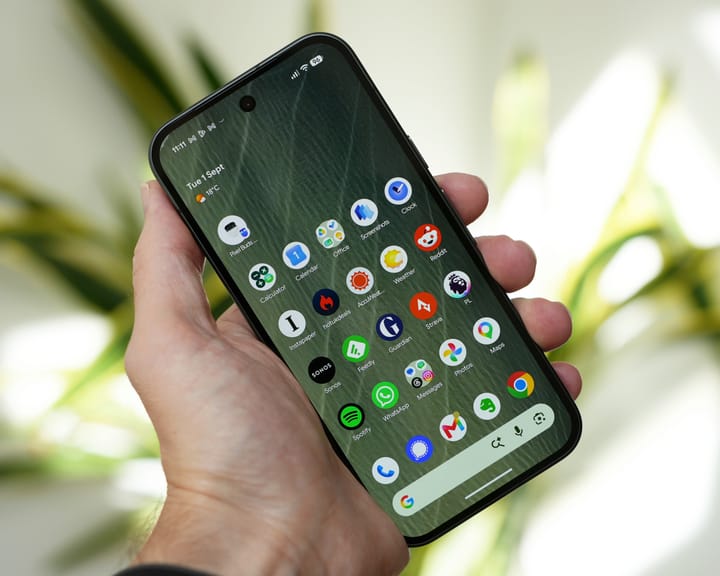
Google's Pixel 11 sets new standard for flagship phones, review finds
Google’s Pixel 11 continues to define what a base flagship phone should deliver, with leading cameras, extended software support and nearly all the features of its pricier siblings.
The standard Pixel 11 is priced at £879 (€999/$899/A$1,499), £80 higher than its previous version, reflecting ongoing

AI Expert Father of Three Shares Essential Insights for Parents on Artificial Intelligence
A father once promised his child they would write a story together called "The Day Nobody Went to Disneyland." The plot imagined a perfect day when the entire world avoided the park, expecting crowds, leaving it completely empty for a father and child to enjoy alone. Three decades