
Microsoft has ended its observer seat on OpenAI's board, while Apple will no longer appoint executives in a similar capacity amid regulatory examination of major tech firms' interactions with AI startups. This change was communicated by Microsoft to the ChatGPT developer and reported by the Financial Times.
As an early investor in OpenAI, Microsoft acknowledged significant progress on the part of the new board after the leadership shuffle last year that included the reappointment of CEO Sam Altman. Despite this advancement and commitments to safety and company culture, Microsoft decided that its observer role was no longer needed.
The move appears influenced by concerns over competition regulation from bodies like the UK's Competition and Markets Authority and the US Federal Trade Commission, which are reviewing OpenAI's partnership with Microsoft for potential control issues. The European Commission is examining certain clauses in their agreement but not conducting a formal merger investigation.
OpenAI plans to engage stakeholders through regular meetings without appointing board observers. Previously, it was reported that Apple intended to place Phil Schiller from its app store division on OpenAI's board, which now seems unlikely with the recent changes by Microsoft.
The scrutiny of AI startups and their relationships with tech giants is increasing, as seen in FTC's examination of partnerships between Anthropic, Google, Amazon, among others. Legal expert Alex Haffner from Fladgate suggests that the regulatory focus on big tech’s involvement in AI may have influenced Microsoft's decision to withdraw its observer seat.
Read next
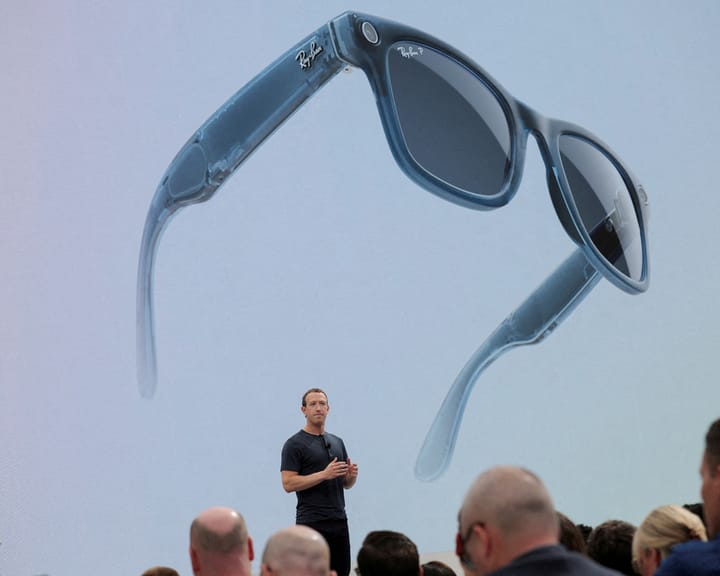
US officers worry Meta smart glasses could covertly record them
In January, the NYPD’s counterterrorism unit warned officers about a new security threat: Ray-Ban Meta glasses. A memo directed officers to “conduct thorough inspections of all eyewear permitted within inmate cells,” cautioning that recently arrested individuals could use the devices’ small cameras and microphones to record inside police
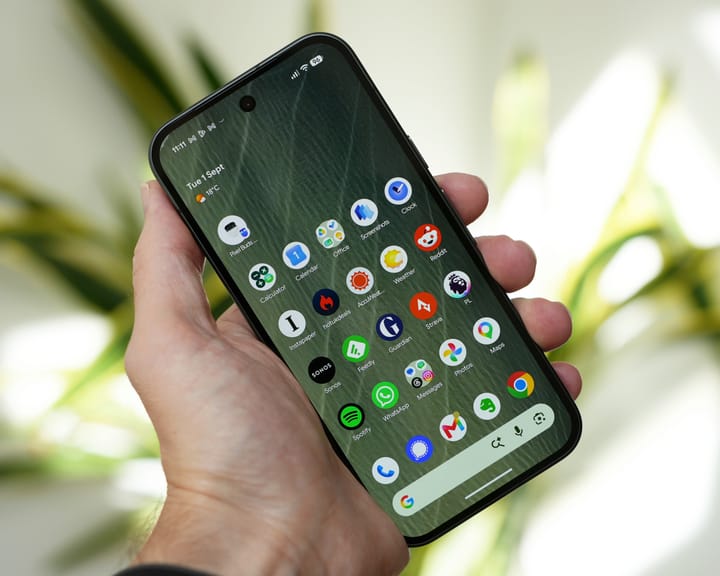
Google's Pixel 11 sets new standard for flagship phones, review finds
Google’s Pixel 11 continues to define what a base flagship phone should deliver, with leading cameras, extended software support and nearly all the features of its pricier siblings.
The standard Pixel 11 is priced at £879 (€999/$899/A$1,499), £80 higher than its previous version, reflecting ongoing

AI Expert Father of Three Shares Essential Insights for Parents on Artificial Intelligence
A father once promised his child they would write a story together called "The Day Nobody Went to Disneyland." The plot imagined a perfect day when the entire world avoided the park, expecting crowds, leaving it completely empty for a father and child to enjoy alone. Three decades