
The repercussions of the lethal and volatile clash in the Middle East for the world economy will be most immediately, and sharply, evident in the climb of oil prices.
Prices surged on Monday as markets got their first chance to absorb the weekend’s reciprocal strikes. By lunchtime in London, a barrel of Brent crude was changing hands at roughly $79 (£59), about $6 or 8.5 % higher than the previous close.
The level had already moved up markedly this year, from just over $60 in January, as frictions between the United States and Iran grew. Natural‑gas rates have also leapt, with the waterway serving as a key conduit for liquid national gas flows. Benchmark European gas prices were 38 % higher on Monday, a rise amplified after QatarEnergy announced a halt to output at several sites following drone attacks.
As the economic fallout from Russia’s invasion of Ukraine has shown, higher energy bills quickly filter into household budgets – and trigger broader price pressures on almost all other goods.
Net energy importers across Asia and Europe, the United Kingdom included, will feel the squeeze of steeper costs more acutely. The United States, backed by its shale‑oil production and strategic petroleum reserve, should be better positioned to shield itself – although a sustained period of elevated prices could dissuade the Federal Reserve from pursuing the interest‑rate cuts long sought by policymakers.
The ceiling for energy prices will hinge on the extent of disruption to traffic through the vital Hormuz Strait, as well as the threat of direct assaults on energy facilities throughout the region. State‑owned QatarEnergy confirmed on Monday that it was suspending production at two locations after nearby installations were struck.
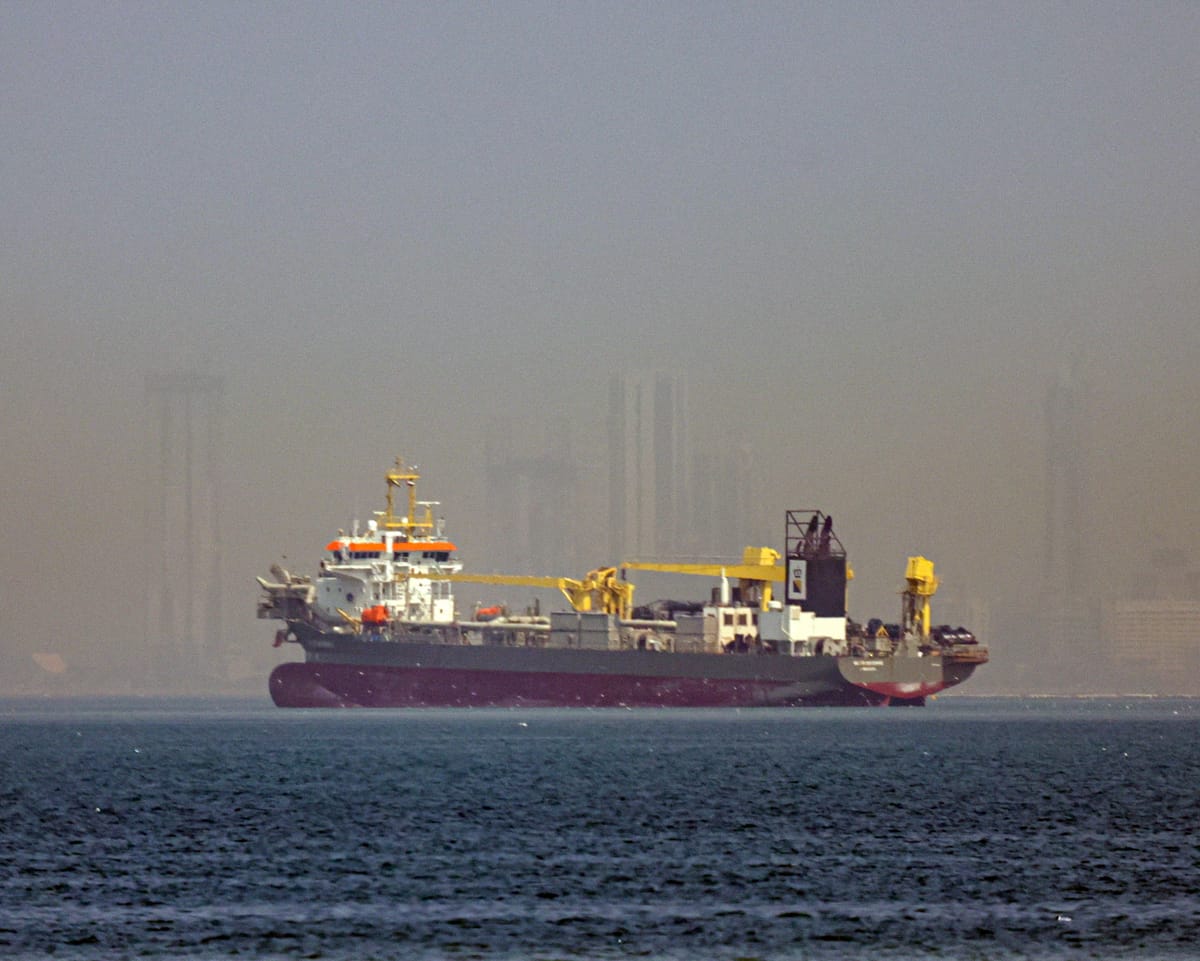
Tankers are already shunning the Hormuz Strait, which carries about one‑fifth of global oil supplies, with insurers understandably hesitant to underwrite voyages. Some Monday reports indicated that vessels are also avoiding the Suez Canal as the conflict spreads, a shift that could raise freight charges for commodities beyond crude.
Analysts at Goldman Sachs estimate that, in a worst‑case scenario where the Hormuz Strait is fully blocked for a month, oil could climb an extra $15 per barrel – a rise that might be partly offset by diverting supplies through alternative routes. The OPEC+ producers’ group has already signalled a modest lift in output quotas.
This fresh surge in oil prices arrives at a difficult moment for decision‑makers, just as many believed they had finally tamed the sharp inflation spike that followed the reopening of supply chains after the Covid pandemic and Russia’s war in Ukraine.
Central banks usually “look through” brief supply shocks such as a temporary oil price jump; nevertheless, some – including the Bank of England – remain wary of entrenched inflation expectations.
Read next

Oil prices set to jump after US and Israel strike Iran
Oil prices are projected to climb on Monday, and equity markets may slip as the US‑Israel conflict with Iran unsettles investors.
U.S. crude is set to increase about 9 % when trading restarts, data from broker IG show, after Tehran announced on Saturday that it had effectively sealed the

Young fashion enthusiasts boost UK charity shops on struggling high streets
Young people attracted to second‑hand platforms like Vinted and Depop are supporting charity shops even as energy and labour expenses increase.
Save the Children reported a 3 % increase in retail revenue last year, with December sales 11 % higher than the previous year, generating over £1 million for its programmes.
How US‑Israeli attacks on Iran could affect oil prices
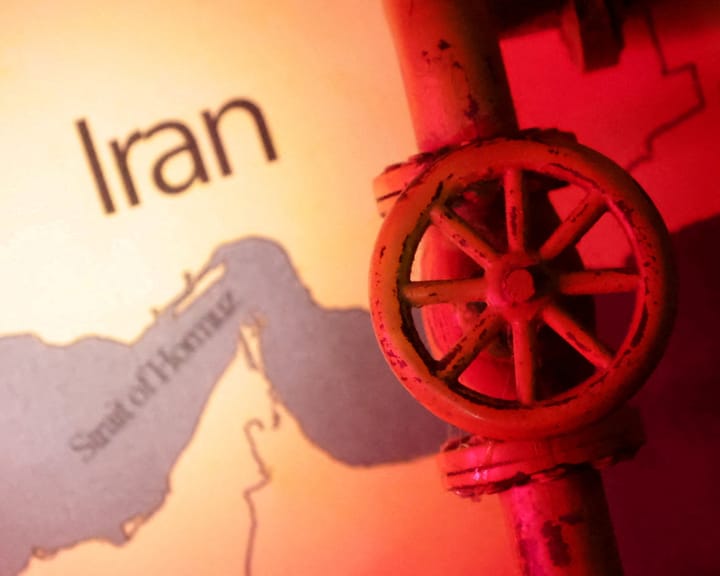
Why does the Strait of Hormuz matter?
The Strait of Hormuz ranks among the globe’s key maritime corridors for international commerce. Roughly one‑fifth of worldwide oil shipments and a similar share of gas carriers traverse it.
The waterway sits between Oman and Iran. It connects the northern Gulf