
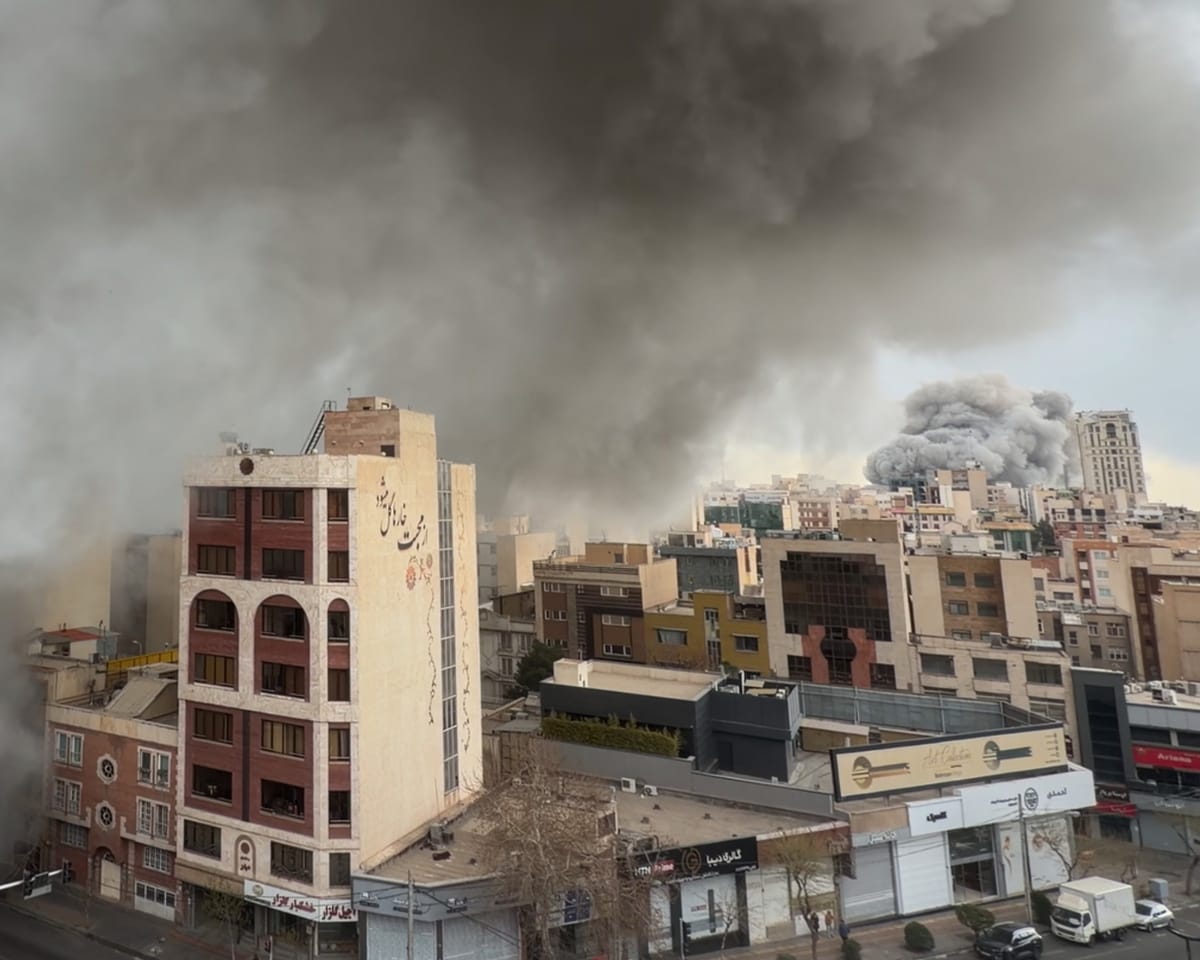
A US‑Israeli war against Iran that began on Saturday with bombing and missile strikes that killed Iran’s supreme leader, Ali Khamenei, has escalated into a regional clash, with Tehran answering by launching attacks across the Middle East.
By Monday a new major front had opened when Israel bombed Lebanon after Iran’s ally Hezbollah fired its own strikes. Cyprus also reported that a drone had targeted a British base on the Mediterranean island.
In a sign that the fighting could involve additional states, the United Kingdom, France and Germany – which had not supported the initial US‑Israeli assaults – said they were prepared to act against Iranian attacks.
US and Israeli attacks
On Saturday Israel announced the start of what it termed Operation Lion’s Roar, which an Israeli military spokesperson said was meant to “degrade the regime’s capabilities.” The operation was carried out alongside the US‑named Operation Epic Fury.
Strikes over the weekend and into Monday hit key security and political sites in Tehran, including Khamenei’s residence and ballistic‑missile depots elsewhere in the country.
At least fourteen Iranian cities were struck, an Israeli officer said, making the campaign far broader than the US‑Israeli offensive of the twelve‑day war last summer. Israel claimed to have killed no fewer than forty senior Iranian commanders on the first day of the attacks.
The Iranian Red Crescent Society reported that the US‑Israeli campaign has so far caused at least 555 deaths in Iran.
A strike on a girls’ school in Minab, in the southern Hormozgan province, killed almost 165 people and wounded at least 95, according to state media, marking the deadliest single incident of the campaign. An Islamic Revolutionary Guard Corps base is also located in that city.
Iranian authorities have urged citizens to leave major cities for safety. Many security offices and officials are situated in residential districts, raising the risk of civilian casualties.
Iranian retaliation
Despite the apparent loss of a large portion of its senior military and political leadership, Iran has bombed targets in the Gulf – especially in nations aligned with Washington – and launched waves of ballistic missiles toward Israel.
An Iranian missile struck Tel Aviv on Saturday night, killing one person and injuring dozens.
A missile hit the town of Beit Shemesh on Sunday afternoon, killing eight and wounding twenty.
Iran’s response has crossed long‑standing, unwritten red lines that previously kept the Gulf out of direct conflict with Israel and the United States.
The retaliation hit sites such as luxury hotels in Dubai and Bahrain and airports in Dubai, Kuwait and Bahrain. Smoke rose over Dubai’s Palm Jumeirah island, and photographs showed damage to structures in Bahrain.
Iran also struck a port facility in Oman and a vessel northwest of Muscat as its military campaign broadened.
Read next
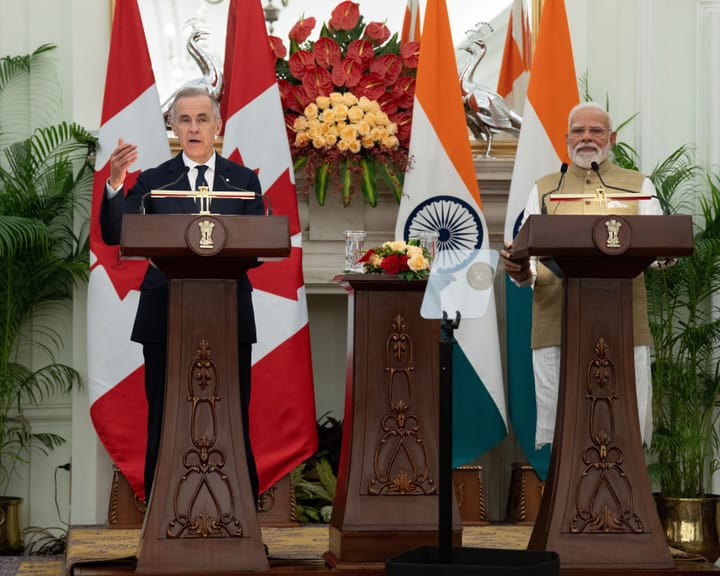
Carney faces calls to confront Indian interference claims after meeting with Modi
Mark Carney faces growing scrutiny over whether he thinks Indian meddling in Canada still poses a danger after his meeting with Narendra Modi, India’s prime minister, whose administration is alleged to have arranged the killing of a Canadian citizen.
“We are one family,” the Canadian prime minister said from
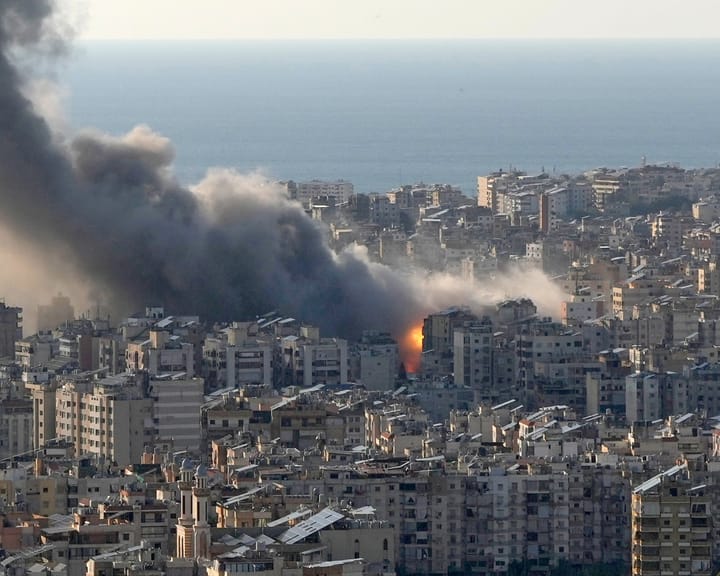
US and Israel's campaign against Iran spreads dramatically throughout the Middle East
The conflict in the Middle East, sparked by a combined US‑Israeli strike on Iran, widened sharply on Monday, with casualties and damage reported in at least nine nations within ten hours.
Israeli and American aircraft carried out a new series of bombings over Iran, where the Iranian Red Crescent
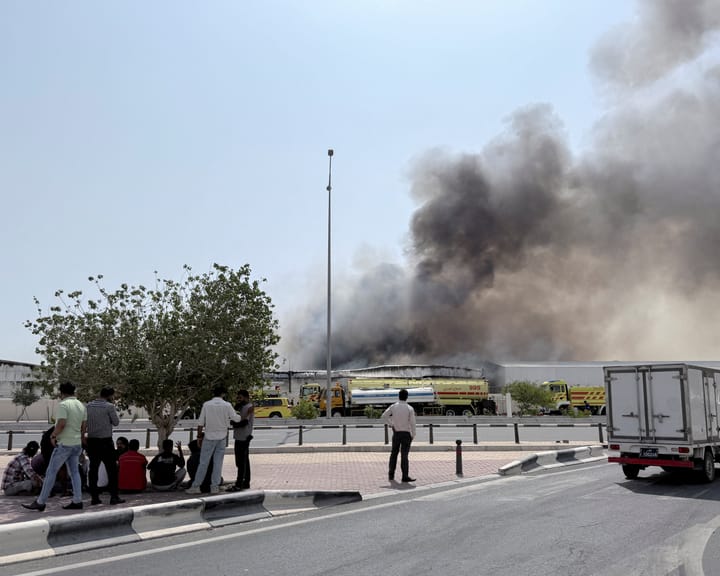
Gulf Nations Near Action Against Iran Over “Reckless” Regional Strikes
Gulf states, emboldened by Donald Trump, are close to abandoning their neutrality in the conflict with Iran as retaliation for Tehran’s repeated “reckless and indiscriminate attacks” on their land and infrastructure.
The appeal, spearheaded by the United Arab Emirates within the six‑nation Gulf Cooperation Council, urges the Arab