
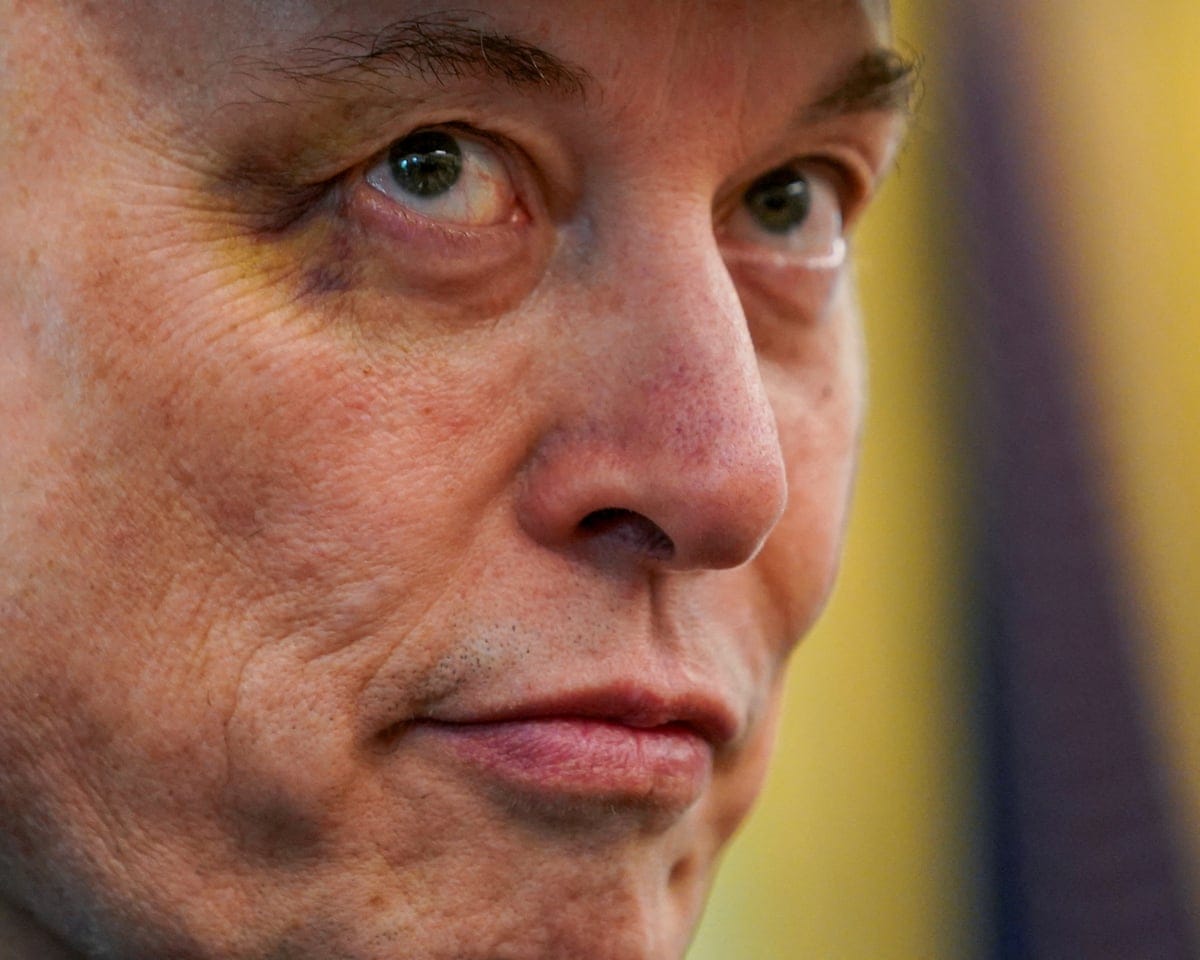
Elon Musk Considers Funding New Political Party Focused on Key Races
Elon Musk has suggested that a potential new political party could concentrate on securing a small number of competitive House and Senate seats, aiming to influence major legislative decisions given the narrow divisions in Congress.
The billionaire CEO of Tesla and SpaceX discussed the idea in a social media post on the platform he owns, following ongoing disagreements with Donald Trump over a recently approved spending bill.
“Targeting just two or three Senate seats and eight to ten House districts could be effective,” Musk wrote. “With Congress so evenly split, this would position the party as the deciding factor on contentious issues, ensuring laws reflect the public’s true interests.”
On the same day, when the U.S. marked its 249th Independence Day, Musk conducted a poll asking whether he should move forward with plans to establish a third party to rival Republicans and Democrats. By the next morning, over 65% of approximately 1.25 million respondents had supported the idea.
“Today is the right moment to consider breaking free from the two-party system,” Musk remarked in the post, which he shared multiple times.
The discussion follows Musk’s earlier financial backing of Trump’s successful 2024 presidential campaign. In return, Trump appointed him to lead an effort to streamline government operations, an initiative that cut numerous federal jobs and programs while claiming significant savings. However, independent assessments suggest the reductions may have also led to financial inefficiencies.
Musk stepped down from the role in late May and later criticized Trump for supporting a spending package that would raise national debt substantially. He threatened to fund primary challenges against lawmakers who backed the bill and reiterated plans to establish a new party if it passed.
The bill narrowly cleared the House with a 218-214 vote, with only two Republicans opposing it alongside all Democrats. In the Senate, Vice President JD Vance broke a 50-50 tie to secure approval before Trump signed the measure into law shortly after Musk’s poll went live.
The vote highlighted how closely contested major legislative decisions have become in Congress.
Trump has previously cautioned Musk about openly opposing his policies.
Read next
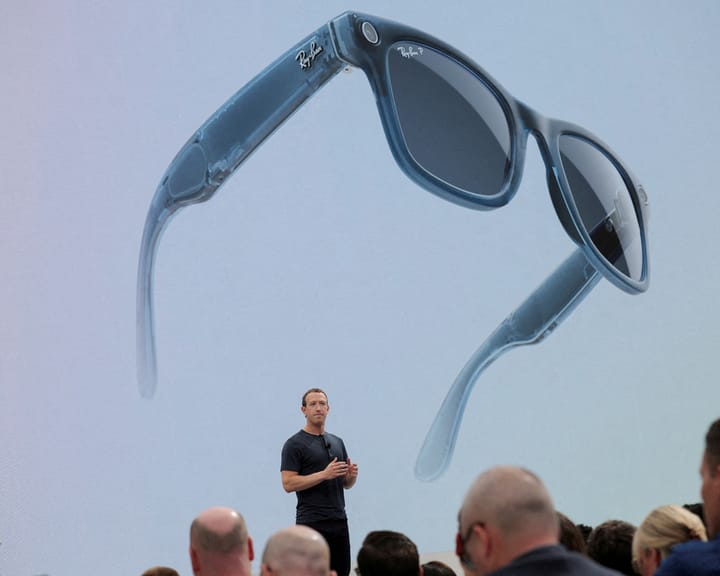
US officers worry Meta smart glasses could covertly record them
In January, the NYPD’s counterterrorism unit warned officers about a new security threat: Ray-Ban Meta glasses. A memo directed officers to “conduct thorough inspections of all eyewear permitted within inmate cells,” cautioning that recently arrested individuals could use the devices’ small cameras and microphones to record inside police
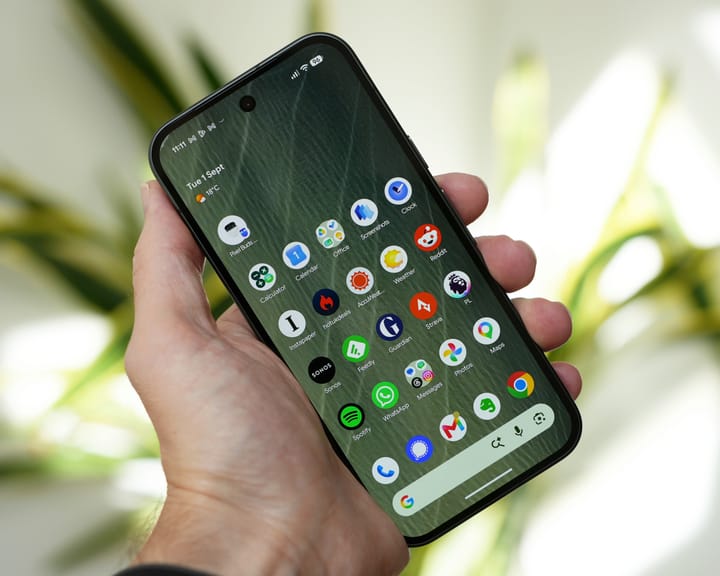
Google's Pixel 11 sets new standard for flagship phones, review finds
Google’s Pixel 11 continues to define what a base flagship phone should deliver, with leading cameras, extended software support and nearly all the features of its pricier siblings.
The standard Pixel 11 is priced at £879 (€999/$899/A$1,499), £80 higher than its previous version, reflecting ongoing

AI Expert Father of Three Shares Essential Insights for Parents on Artificial Intelligence
A father once promised his child they would write a story together called "The Day Nobody Went to Disneyland." The plot imagined a perfect day when the entire world avoided the park, expecting crowds, leaving it completely empty for a father and child to enjoy alone. Three decades